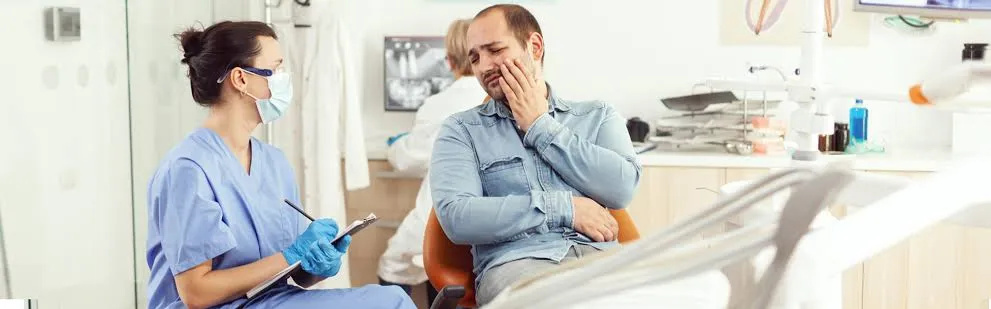

Dental pain or injury can happen suddenly, and knowing when to contact a dentist corio can make a big difference in protecting your teeth, gums, and overall oral health. Some dental concerns can wait for a regular appointment, but others need immediate attention. A severe toothache, knocked-out tooth, facial swelling, bleeding gums, broken tooth, or dental infection should never be ignored. Dental emergencies can become worse quickly if they are not treated at the right time, so understanding the warning signs can help you take action before the problem becomes more serious.
What Is a Dental Emergency?
A dental emergency is any oral health problem that needs urgent care to relieve severe pain, stop bleeding, save a tooth, or treat infection. It may happen because of an accident, sports injury, untreated decay, gum infection, cracked tooth, or sudden swelling.
Not every dental issue is an emergency. Mild sensitivity, small chips without pain, or minor discomfort may be managed with a routine appointment. However, if the pain is intense, swelling is spreading, bleeding will not stop, or a tooth has been knocked out, you should seek urgent dental help as soon as possible.
Seeing an emergency dentist in corio quickly can help reduce pain, prevent further damage, and improve the chances of saving the affected tooth.
Severe Toothache That Does Not Go Away
A toothache can feel mild at first, but if the pain becomes strong, constant, or keeps you awake at night, it may be a sign of a deeper dental problem. Severe tooth pain can be caused by decay reaching the nerve, an abscess, infection, cracked tooth, or gum disease.
You should not ignore toothache that becomes worse over time. Pain that increases when biting, chewing, or drinking hot or cold beverages may also need urgent attention. Taking pain relief may provide temporary comfort, but it does not treat the cause of the problem.
A dentist can examine the tooth, identify the reason for the pain, and recommend the right treatment before the condition becomes more serious.
Knocked-Out Tooth
A knocked-out tooth is one of the most urgent dental emergencies. This can happen because of a fall, accident, sports injury, or direct hit to the mouth. If an adult tooth is knocked out, time is very important.
Try to find the tooth and hold it by the crown, which is the white part normally visible in the mouth. Avoid touching the root. If the tooth is dirty, rinse it gently with milk or clean water, but do not scrub it. If possible, place the tooth back into its socket and gently bite down on clean gauze or cloth. If you cannot place it back, keep it moist in milk or saliva and seek dental care immediately.
Do not try to reinsert a baby tooth, as this may affect the developing adult tooth underneath. In that situation, contact a dentist for advice.
Swelling, Abscess, or Facial Pain
Swelling in the gums, jaw, cheek, or face can be a sign of infection. A dental abscess may cause throbbing pain, bad taste in the mouth, fever, difficulty chewing, or swelling that spreads around the face.
This type of infection should be taken seriously. Dental infections can worsen if left untreated and may spread to other areas. If swelling is affecting your breathing, swallowing, or ability to open your mouth, seek urgent medical help.
For gum swelling or suspected abscess, contact an emergency dentist in corio as soon as possible. Early treatment can help control the infection, relieve pain, and protect nearby teeth and gums.
Broken, Cracked, or Chipped Tooth
A broken or cracked tooth can range from minor to serious. If the chip is small and there is no pain, it may not require same-day emergency care. However, if the tooth is painful, bleeding, sharp, or sensitive to air, hot, or cold, you should book an urgent dental appointment.
A deep crack may expose the inner layer of the tooth, making it vulnerable to infection. A broken tooth can also cut your tongue, cheek, or lips if the edge is sharp.
Until you see the dentist, rinse your mouth gently with warm water and avoid chewing on the affected side. If there is swelling, a cold compress on the outside of the cheek may help reduce discomfort.
Lost Filling or Crown
A lost filling or crown may not always feel like an emergency, but it should still be checked quickly. When a filling or crown comes loose, the tooth underneath may become exposed and sensitive. Food and bacteria can collect in the area, increasing the risk of decay or infection.
If a crown falls out, keep it safe and bring it to your appointment. Avoid chewing on that side until the tooth has been checked. Do not use household glue or any unsafe material to place it back.
A dentist corio can assess whether the crown or filling can be repaired, replaced, or whether further treatment is needed.
Bleeding That Does Not Stop
Bleeding after a small cut or minor injury may stop with gentle pressure. However, if bleeding from the mouth, gums, lips, or tongue continues for a long time, it may need urgent attention.
Apply clean gauze or cloth and press gently on the area. If the bleeding does not slow down, or if it follows a serious injury, seek urgent dental or medical care. Heavy bleeding should not be ignored, especially after trauma, extraction, or an accident.
Dental Injury After an Accident
Even if your teeth look fine after a fall or facial injury, it is still important to get checked. Sometimes the damage is not visible immediately. A tooth may become loose, cracked below the gumline, or injured internally.
Signs that you need urgent attention include loose teeth, changed bite, jaw pain, swelling, bleeding, or pain when closing your mouth. A dentist can examine the area and may recommend X-rays to check for hidden damage.
What You Can Do Before Seeing the Dentist
While waiting for your appointment, there are a few safe steps you can take. Rinse your mouth gently with warm water to keep the area clean. Use a cold compress on the outside of your cheek if there is swelling. Avoid chewing on the painful or injured side. If a tooth is broken, try to save any pieces and bring them with you.
Avoid placing aspirin directly on the gums or tooth, as it can irritate the tissue. Also avoid ignoring the pain just because it improves for a short time. Dental problems can return and become worse without proper treatment.
When Should You Act Immediately?
You should seek urgent dental care if you have severe tooth pain, facial swelling, a knocked-out adult tooth, uncontrolled bleeding, a broken tooth with pain, signs of infection, or injury to the mouth or jaw. Acting quickly can help reduce complications and may save your tooth.
If symptoms include difficulty breathing, trouble swallowing, serious facial trauma, or heavy bleeding, emergency medical care may be needed first.
Final Thoughts
Dental emergencies can be stressful, but quick action can protect your oral health and reduce the risk of long-term problems. Whether you are dealing with severe toothache, swelling, broken teeth, or a knocked-out tooth, it is important to know when the situation needs urgent attention.
If you are unsure whether your dental problem is an emergency, it is always better to ask for professional advice. Timely care from an emergency dentist in corio can help relieve pain, protect your smile, and prevent a small issue from becoming a major concern.
FAQs
1. What counts as a dental emergency?
A dental emergency includes severe tooth pain, knocked-out teeth, facial swelling, dental abscess, uncontrolled bleeding, broken teeth with pain, or injuries to the mouth and jaw. These issues should be checked urgently.
2. Should I see a dentist immediately for toothache?
Yes, if the toothache is severe, constant, keeps you awake, or comes with swelling, fever, or pain while biting. These signs may indicate infection or nerve involvement.
3. What should I do if my tooth is knocked out?
Hold the tooth by the crown, avoid touching the root, keep it moist in milk or saliva, and seek urgent dental care immediately. Do not reinsert a baby tooth.
4. Can a broken tooth wait?
A small chip without pain may wait for a routine appointment, but a broken tooth with pain, bleeding, sensitivity, or sharp edges should be checked as soon as possible.























Sign in to leave a comment.