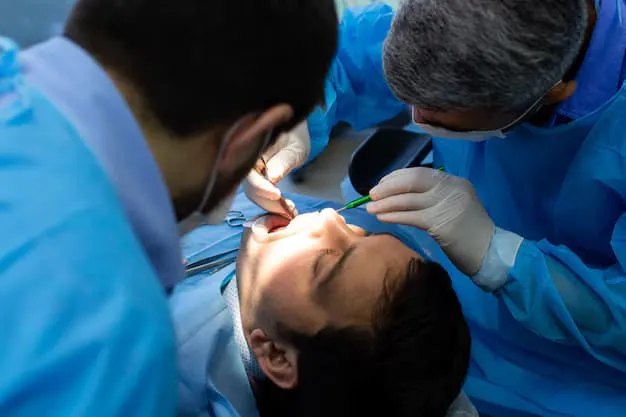

Dental problems can sometimes develop suddenly and cause significant pain or discomfort. While some concerns can wait for a routine appointment, others require prompt professional attention to prevent complications. A Dental emergency may involve severe toothache, dental trauma, facial swelling, bleeding or a damaged tooth. Recognising urgent symptoms can help patients seek appropriate care without unnecessary delays. Prompt assessment allows a dental professional to identify the underlying cause and recommend suitable treatment. Understanding what constitutes an emergency can help individuals respond calmly when unexpected dental problems occur.
What Counts as a Dental Emergency?
A dental emergency generally involves a problem that causes significant pain, bleeding, swelling, trauma or a serious risk to oral health. Severe toothache can indicate infection or extensive decay, while a knocked out tooth may require immediate attention. A broken restoration or damaged tooth may also require urgent assessment depending on the severity. Not every dental concern requires emergency treatment, so professional advice can help determine the appropriate level of care. Patients should avoid ignoring symptoms simply because they initially appear manageable.
Severe Toothache
Severe or persistent toothache is one of the most common reasons for urgent dental attention. Pain may result from tooth decay, infection, a cracked tooth, damaged dental work or other underlying conditions. Painkillers may provide temporary relief but do not necessarily resolve the cause. A dentist can examine the affected area and determine what treatment may be required. Prompt assessment can sometimes prevent the problem from becoming more complicated and may help protect the affected tooth.
Recognising Signs of Infection
Dental infections can cause pain, swelling, tenderness and sensitivity. Some patients may also experience fever, an unpleasant taste or difficulty opening the mouth. Infection can sometimes spread beyond the original tooth and become a serious health concern. Swelling around the face or jaw requires prompt professional assessment. If swelling affects breathing or swallowing, emergency medical assistance should be sought immediately. Dental infections should not be treated solely with home remedies because professional treatment may be required to address the source.
Facial Swelling
Swelling around the cheek, jaw or mouth can indicate an infection or another dental problem requiring urgent attention. The severity and location of swelling can vary according to the underlying cause. A dentist can assess the affected area and determine whether treatment such as drainage, dental restoration or other intervention is necessary. Patients should not attempt to drain an abscess themselves. Prompt professional care can reduce the risk of the infection progressing and help manage associated pain and discomfort.
Knocked Out Teeth
A knocked out permanent tooth is a dental emergency because prompt action can sometimes improve the chances of successful treatment. The tooth should be handled carefully by the crown rather than the root. If possible, it may be gently rinsed without scrubbing and placed back into the socket if the individual can do so safely. Alternatively, it can be kept moist in an appropriate liquid while urgent dental advice is sought. Immediate professional assessment is important following dental trauma.
Protecting a Knocked Out Tooth
A knocked out tooth should not be allowed to dry out unnecessarily. Handling the root can damage delicate tissues that may be important for treatment. Children and adults may require different approaches depending on the situation, so professional advice should be obtained as quickly as possible. A dentist can assess the tooth, surrounding tissues and supporting bone before determining the most appropriate course of action. Speed is particularly important in traumatic dental injuries.
Broken or Cracked Teeth
A tooth can break or crack because of trauma, biting hard foods, extensive fillings or weakened tooth structure. Symptoms may include pain when chewing, sensitivity to hot or cold substances or sharp edges that irritate the tongue and cheek. A dental professional can assess the extent of damage and determine whether the tooth can be repaired. Treatment may involve bonding, a filling, a crown or another restorative approach depending on the severity and location of the fracture.
Protecting a Damaged Tooth
Until professional care is obtained, patients should avoid chewing hard foods on the affected side. A sharp edge can sometimes be covered temporarily with dental wax or another suitable protective material if advised. Patients should not attempt to glue broken pieces back onto the tooth. If a fragment has broken off, it can be kept safely and taken to the dental appointment because the dentist may wish to examine it. Prompt assessment can help determine whether the tooth can be preserved.
Dental Trauma
Dental injuries can occur during sports, accidents, falls and other unexpected situations. Trauma may affect teeth, gums, lips, cheeks or the supporting jaw structures. Even when a tooth does not appear visibly damaged, an injury can affect the root or surrounding tissues. Professional assessment is therefore recommended after significant dental trauma. X rays may sometimes be required to identify damage that cannot be seen during a routine examination. Early evaluation can help guide appropriate treatment and monitoring.
Sports Related Injuries
People who participate in contact sports may face an increased risk of dental trauma. A properly fitted mouthguard can provide protection by cushioning the teeth and surrounding tissues. Individuals who experience an impact should seek professional advice if there is pain, mobility, bleeding or visible damage. A dentist can check whether the teeth have been displaced or affected internally. Preventive measures such as mouthguards can reduce the likelihood of serious dental injuries during physical activities.
Excessive Dental Bleeding
Some bleeding after dental treatment can be expected, but persistent or heavy bleeding requires professional advice. Bleeding may also occur after dental trauma or injury to the gums. Patients should follow any instructions provided by their dentist and apply gentle pressure with clean gauze where appropriate. If bleeding does not settle or becomes excessive, urgent dental or medical assistance may be required. Individuals taking certain medicines that affect blood clotting should inform their dental professional about their medication.
When Bleeding Requires Urgent Attention
The severity and duration of bleeding can help determine whether emergency care is necessary. Continuous heavy bleeding should not be ignored. Patients who feel weak, dizzy or unwell alongside significant bleeding should seek appropriate emergency medical assistance. A dentist can investigate the dental source where appropriate. Clear information about recent treatment, medications and medical history can help healthcare professionals make suitable decisions quickly.
Lost Fillings and Crowns
A lost filling or crown may not always represent an immediate emergency, but prompt dental advice can be useful. The exposed tooth may become sensitive or vulnerable to further damage. Patients should avoid chewing hard foods on the affected side until the tooth has been assessed. A lost crown should be kept safely and taken to the appointment. A dentist can determine whether it can be recemented or whether replacement treatment is required.
Managing Sensitivity
A tooth exposed after losing a filling or crown may become sensitive to temperature or pressure. Avoiding very hot, cold, sweet or hard foods may reduce discomfort until professional treatment is available. Good oral hygiene should continue around the affected area, although brushing should be gentle. Temporary dental materials may sometimes be recommended, but patients should follow professional guidance rather than relying on temporary measures for an extended period.
Dental Abscesses
A dental abscess is a collection of pus caused by a bacterial infection. It can develop around the root of a tooth or within the surrounding gum tissue. Symptoms may include severe pain, swelling, tenderness and an unpleasant taste. Some people may also develop a fever. An abscess requires professional assessment because the infection may continue to spread if the underlying cause is not treated. Depending on the situation, treatment may involve addressing the affected tooth and managing the infection.
Why Prompt Treatment Matters
Ignoring an abscess can allow an infection to become more extensive. The pain may sometimes reduce if an abscess drains, but this does not necessarily mean that the infection has been resolved. Professional assessment remains important even when symptoms temporarily improve. A dentist can identify the source and determine suitable treatment. Patients should never assume that the disappearance of pain means that no further care is required.
Managing Dental Pain
Dental pain can vary considerably in intensity and cause. While suitable pain relief may help manage discomfort temporarily, it should not replace professional assessment when symptoms are severe or persistent. Patients should use medicines only according to appropriate instructions and should consider existing health conditions and medications. A pharmacist or healthcare professional can provide advice when there is uncertainty about suitable pain relief. Treating the underlying dental problem is essential for resolving the cause of recurring pain.
Avoiding Harmful Home Remedies
Some home remedies may irritate damaged teeth or gums and potentially make symptoms worse. Substances should not be placed directly onto the gums or tooth unless recommended by a healthcare professional. Heat may also increase swelling in some circumstances. Patients should instead seek appropriate dental advice and follow safe temporary measures while waiting for care. Professional assessment is particularly important when pain is accompanied by swelling, fever or other concerning symptoms.
What Happens During Emergency Dental Care?
An emergency dental appointment usually begins with an assessment of the symptoms and the affected area. The dentist may ask when the problem started, how severe the pain is and whether there has been any recent injury. A clinical examination and imaging may be used where appropriate. The immediate priority is generally to control pain, manage infection or stabilise damage. Further treatment may then be arranged once the urgent problem has been addressed.
Emergency Treatment Options
Treatment depends entirely on the cause of the emergency. A damaged tooth may require restoration, while an infected tooth may require specific dental treatment. Severe decay can sometimes require root canal treatment or extraction depending on the condition of the tooth. Trauma may require stabilisation and monitoring. The dentist should explain the available options and their implications. Emergency care is not always the final treatment, and further appointments may be needed to complete the necessary dental work.
Preventing Future Dental Emergencies
Although not every dental emergency can be prevented, regular dental care can reduce some risks. Routine examinations can identify decay, weakened restorations and gum problems before they become severe. Good brushing and interdental cleaning can also help reduce the risk of dental disease. Patients should avoid using their teeth to open packages or bite hard objects. Wearing a mouthguard during contact sports can provide additional protection against trauma.
Regular Dental Check Ups
Regular dental examinations allow changes to be identified at an earlier stage. Small cavities, damaged fillings and gum problems may be easier to manage before they cause severe symptoms. The recommended frequency of appointments varies between individuals according to oral health and risk. Patients should follow the schedule advised by their dental professional. Consistent preventive care can help reduce the likelihood of unexpected dental problems and support healthier teeth and gums.
Emergency Care for Children
Children can experience dental emergencies through falls, sports injuries and accidental impacts. A knocked out baby tooth should generally not be replanted because of the potential effect on developing permanent teeth, but professional advice should still be obtained. Permanent teeth require different management. Parents and carers should seek prompt dental guidance following significant dental trauma. Keeping a dental practice's emergency contact details available can make it easier to respond quickly when a child's dental problem occurs.
Choosing Emergency Dental Care
When selecting a dental provider, patients should consider whether emergency appointments are available and how urgent problems are managed. Clear communication about opening hours and emergency procedures can be valuable. Professional qualifications, treatment options, hygiene standards and follow up care should also be considered. A provider that can offer both urgent assessment and ongoing dental treatment may make it easier to maintain continuity of care. Patients should understand how to access help before an emergency occurs.
When Medical Emergency Care Is Needed
Some dental problems can become medical emergencies. Severe facial swelling that affects breathing or swallowing, uncontrolled bleeding, serious facial trauma or signs of a rapidly spreading infection require immediate emergency medical attention. Dental care may still be required afterwards, but urgent medical safety takes priority. Patients should not delay seeking emergency assistance when serious symptoms affect breathing, consciousness or general health. Understanding these warning signs can help individuals respond appropriately when a dental problem becomes potentially life threatening.
Final Thoughts
A dental emergency can cause considerable pain and anxiety, but prompt professional assessment can help identify the cause and determine appropriate treatment. Severe toothache, facial swelling, dental trauma, knocked out teeth, broken teeth and persistent bleeding may require urgent attention. Patients should avoid relying solely on temporary remedies and should seek professional advice when symptoms are severe or persistent. Preventive examinations and good oral hygiene can also reduce some emergency risks. Whitefield Dental can provide professional dental support for individuals requiring assessment and appropriate care for urgent dental problems.



























Sign in to leave a comment.