

If you live in north Aberdeenshire, the dental experts in Turriff are the people to see for routine check-ups, straighter teeth and lasting tooth replacement, all without a long trip to the city. Local care matters because small problems are caught earlier, appointments are easier to keep, and one team gets to know your mouth over many years.
This guide covers the main oral health services available locally. It also explains invisible alternative braces, how to get Invisalign in Aberdeenshire, and the options for a permanent missing teeth solution.
Why Dental Experts in Turriff Matter for Rural Communities
Rural areas can make healthcare feel remote. When the nearest large clinic is a long drive away, people tend to postpone appointments until something hurts. By then, a small cavity may need a root canal.
Local dental experts in Turriff reduce that gap. A nearby practice makes regular visits realistic for farmers, shift workers, parents and older adults alike.
Continuity is another benefit. A dentist who has tracked your gums and fillings for years will spot subtle changes faster than someone seeing you for the first time.
Essential Oral Health Services Every Family Should Know About
Good oral health services go well beyond fixing problems. Prevention is the foundation, and most practices offer a core set of treatments:
- Routine examinations: checking teeth, gums and soft tissue, including screening for mouth cancer
- Scale and polish: removing plaque and tartar that brushing misses
- Fillings and crowns: repairing decayed or cracked teeth
- Children’s dentistry: fluoride advice, fissure sealants and early orthodontic checks
- Emergency appointments: help with severe pain, trauma or swelling
Most adults are advised to attend every 6 to 24 months, depending on their risk of decay and gum disease. Your dentist will recommend a schedule that suits you.
Invisible Alternative Braces: Straighter Teeth Without Metal
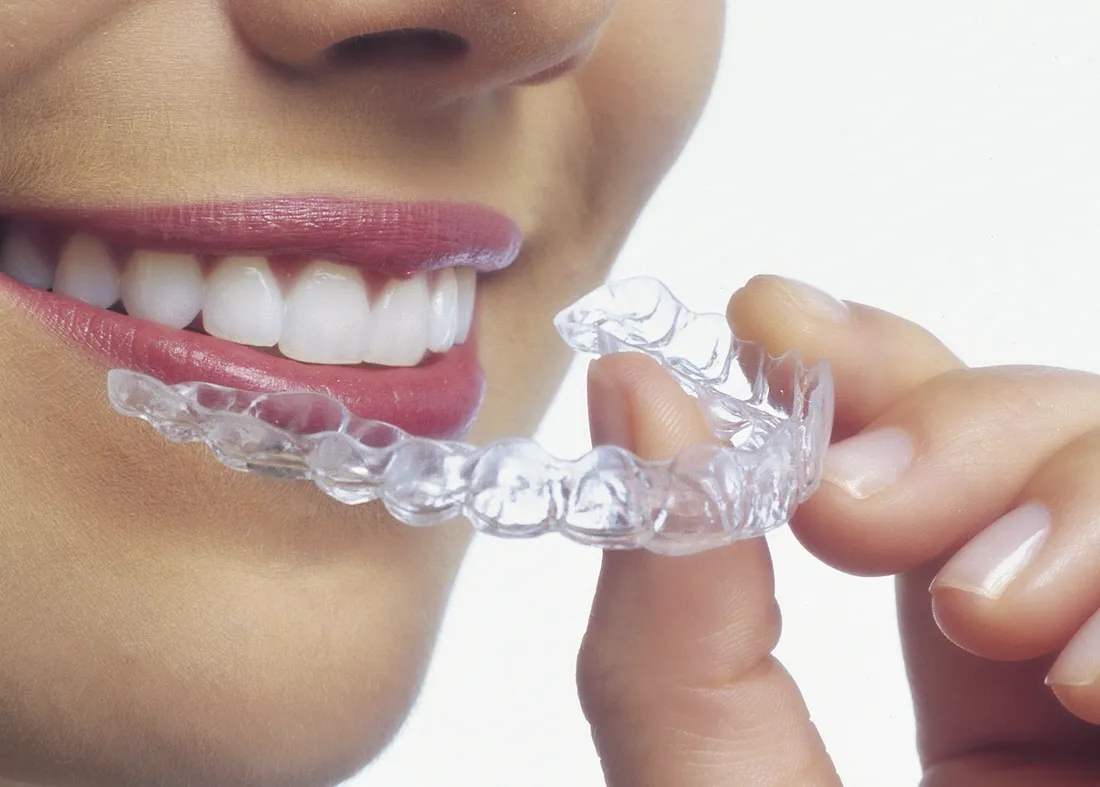
Many adults want straighter teeth but dislike the idea of metal brackets. Invisible alternative braces solve this with clear, removable plastic aligners that gradually move teeth into position.
How clear aligners work
Each set of aligners is custom-made from digital scans of your teeth. You wear a set for roughly one to two weeks, then move to the next. Each set shifts your teeth by a fraction of a millimetre.
Who they suit
Clear aligners often work well for:
- Mild to moderate crowding
- Small gaps between teeth
- Teeth that have drifted after earlier braces
- Adults who want a discreet option for work or social settings
More complex bite problems sometimes need fixed braces, so an assessment is essential before you commit.
How to Get Invisalign in Aberdeenshire: A Step-by-Step Guide
Invisalign is the best-known brand of clear aligner. If you are wondering how to get Invisalign in Aberdeenshire, the process is straightforward:
- Book a consultation. Your dentist examines your teeth and gums and discusses what you want to change.
- Get a health check first. Any decay or gum disease must be treated before orthodontic work begins.
- Have digital scans taken. These replace the messy impressions of the past and are used to plan your treatment.
- Review your treatment plan. Many practices can show a preview of the expected result, along with an estimated timeline and cost.
- Receive your aligners. Wear them for 20 to 22 hours a day, removing them only to eat, drink anything other than water, and clean your teeth.
- Attend review appointments. These keep progress on track.
Treatment commonly lasts between 6 and 18 months. Afterwards, you will need retainers to keep your teeth in their new positions.
Invisalign is generally a private treatment in the UK, so ask for a written quote that covers aligners, reviews and retainers.
A Permanent Missing Teeth Solution: Dental Implants Explained
Gaps affect more than appearance. When a tooth is lost, the jawbone beneath it slowly shrinks and neighbouring teeth can drift. Eating and speaking may also become harder.
A dental implant is widely regarded as the closest thing to a permanent missing teeth solution. It is a small titanium post placed in the jawbone that acts as an artificial root. A crown, bridge or denture is then attached to it.
What the process involves
- Assessment and 3D imaging to check bone levels
- Implant placement under local anaesthetic
- A healing period of around three to six months while the bone fuses with the implant
- Fitting of the final restoration
Well-maintained implants have success rates above 95% in many studies. Smokers and people with uncontrolled gum disease or diabetes carry higher risks, so your dentist will review your health history carefully.
Bridges and dentures remain valid alternatives when implants are unsuitable, so ask about every option.
How to Choose Between Your Treatment Options
Cosmetic and restorative choices can feel overwhelming. A few simple questions help:
- What is my main goal: function, comfort, appearance, or all three?
- Is my gum health stable enough for treatment?
- What is the total cost, and how will I pay for it?
- How long will treatment take, and how many visits are needed?
- Who handles problems if something goes wrong later?
Be wary of any clinic that rushes you or pushes one treatment without explaining the alternatives. A trustworthy dentist will present pros, cons and realistic outcomes.
What to Look for in Local Dental Experts
When comparing dental experts in Turriff, look for these signs of quality:
- Registration with the General Dental Council (GDC), which you can verify online
- Clear, itemised treatment plans and pricing
- Willingness to answer questions without pressure
- Modern diagnostic tools, such as digital scanning and X-rays
- Positive, genuine patient feedback over time
Visit the practice if you can. A clean, calm environment and friendly reception staff usually reflect the standard of care.
Conclusion
Healthy teeth are easier to maintain when expert care is close to home. The dental experts in Turriff provide everything from preventive oral health services to advanced treatments for adults and families.
Key takeaways:
- Regular check-ups catch problems early and save money over time.
- Invisible alternative braces offer a discreet way to straighten mild to moderate misalignment.
- Knowing how to get Invisalign in Aberdeenshire starts with a consultation and a dental health check.
- Implants are the leading permanent missing teeth solution, though bridges and dentures suit some patients better.
Book an assessment, ask plenty of questions and choose the plan that fits your health and budget.
Frequently Asked Questions
1. How often should I visit dental experts in Turriff?
Most adults are advised to attend every 6 to 24 months, based on their individual risk of decay and gum disease. Children and people with gum problems may need more frequent visits. Your dentist will set a personalised interval after your first examination.
2. What oral health services are usually available locally?
Typical services include check-ups, hygiene appointments, fillings, crowns, extractions, children’s dentistry and emergency care. Many practices also offer cosmetic treatments such as whitening and clear aligners. Availability varies, so confirm with the practice directly.
3. Are invisible alternative braces as effective as metal braces?
For mild to moderate crowding and spacing, clear aligners can be very effective when worn as directed. Complex bite corrections may still need fixed braces. An orthodontic assessment will show which option suits your teeth.
4. How do I start the process of getting Invisalign in Aberdeenshire?
Book a consultation with a dentist who offers clear aligners. They will check your oral health, discuss your goals and take digital scans. You will then receive a treatment plan with a timeline and cost before you decide.
5. How long does clear aligner treatment take?
Most cases take between 6 and 18 months, depending on how far the teeth need to move. Wearing the aligners for the recommended 20 to 22 hours a day keeps treatment on schedule. Retainers are needed afterwards to maintain results.
6. Is a dental implant really a permanent missing teeth solution?
The titanium post can last decades with good care, though the crown on top may eventually need replacing. Brushing, interdental cleaning and regular check-ups are essential. Smoking and untreated gum disease can reduce longevity.
7. Does getting an implant hurt?
Placement is done under local anaesthetic, so you should feel pressure rather than pain. Mild soreness and swelling for a few days afterwards are common and usually managed with over-the-counter painkillers. Your dentist will give aftercare instructions.
8. Can anyone have dental implants?
Most healthy adults can, provided they have enough bone and healthy gums. Conditions such as uncontrolled diabetes, heavy smoking or active gum disease may need to be addressed first. Alternatives like bridges or dentures are available if implants are unsuitable.

















Sign in to leave a comment.