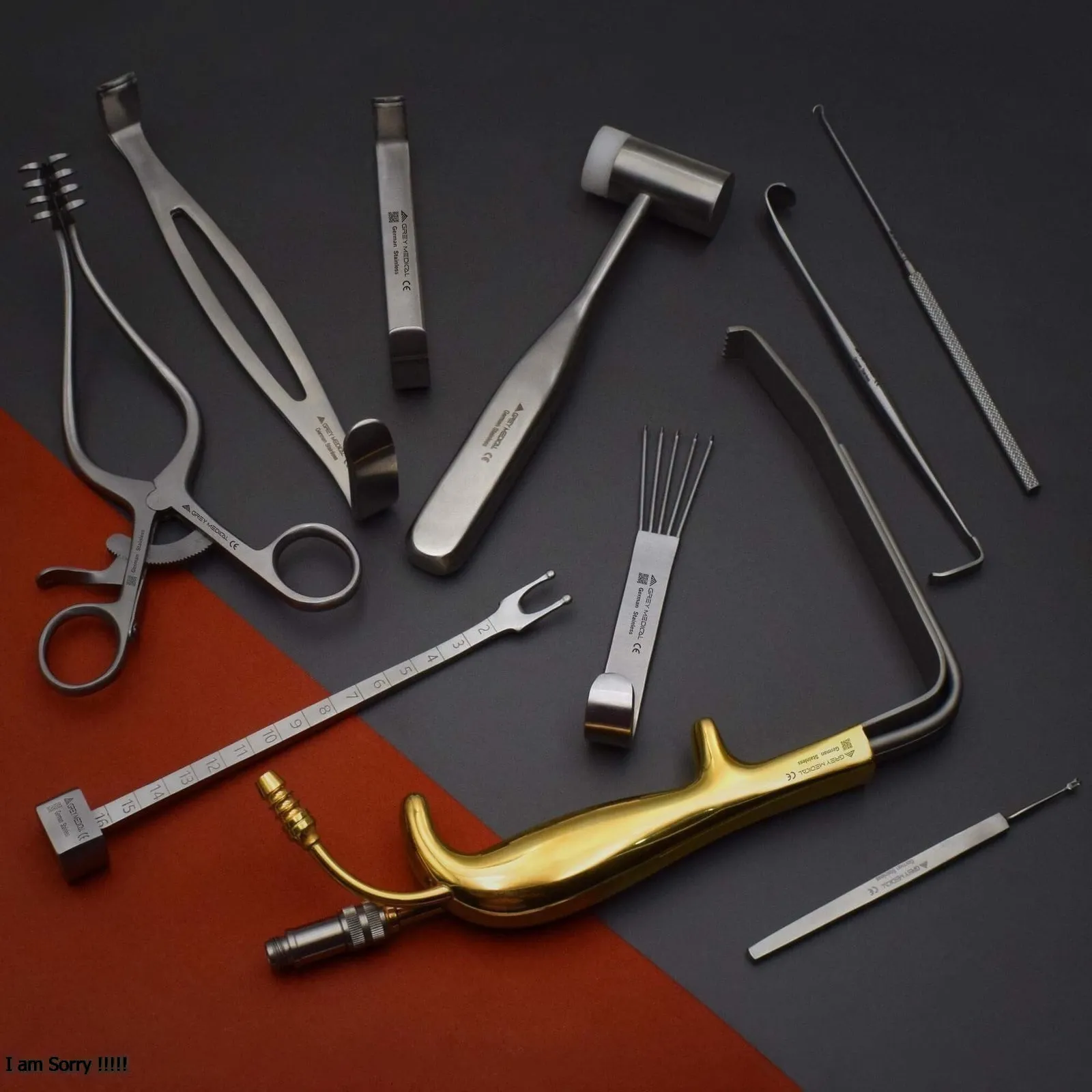


Tooth extraction is a common dental procedure that requires precision, control, and appropriate instrumentation. Dentists use specialized dental extraction tools to loosen, grasp, and remove teeth safely while minimizing trauma to the surrounding tissues. Selecting the correct instruments according to the tooth, procedure, and clinical requirements can support efficient and controlled extraction.
What Are Dental Extraction Tools?
Dental extraction tools are specialized instruments designed to assist dentists during tooth removal procedures. They include instruments for separating periodontal tissues, elevating teeth, gripping tooth structures, and removing teeth from their sockets. Each instrument has a specific function and is selected based on the clinical situation.
Common Types of Dental Extraction Instruments
Dental Elevators
Dental elevators are used to loosen teeth and expand the socket before extraction. Their design allows controlled application of leverage, helping prepare the tooth for removal.
Extraction Forceps
Extraction forceps are among the most commonly recognized dental extraction tools. They are designed to securely grasp the crown or root of a tooth and provide controlled movement during removal. Different forceps patterns are available for anterior teeth, premolars, molars, and specific root structures.
Root Tip Instruments
Root tip picks and similar instruments may be used when a root fragment requires careful removal. Their smaller working ends can provide access to restricted areas when clinically appropriate.
Periotomes
Periotomes are fine instruments designed to help sever periodontal ligament fibers around a tooth. They may be used when a dentist aims to preserve surrounding tissues during an extraction.
How to Choose the Right Dental Extraction Instruments
Choosing suitable dental extraction tools depends on factors such as tooth anatomy, root configuration, accessibility, and the planned extraction technique. Proper instrument selection can improve handling and control while supporting patient comfort and procedural efficiency. Instruments should also be manufactured from appropriate medical-grade materials and maintained according to recommended sterilization procedures.
Importance of Quality and Instrument Maintenance
High-quality dental instruments should provide reliable performance, comfortable handling, and appropriate resistance to repeated clinical use. Proper cleaning, inspection, sterilization, and storage are essential for maintaining dental extraction tools and supporting infection-control practices in the dental environment.
Conclusion
Understanding the different dental extraction tools helps dental professionals select instruments according to the specific requirements of each extraction procedure. Elevators, forceps, periotomes, and root-tip instruments each serve distinct purposes. Using appropriate, well-maintained instruments supports controlled tooth removal and contributes to an efficient clinical workflow.

























Sign in to leave a comment.