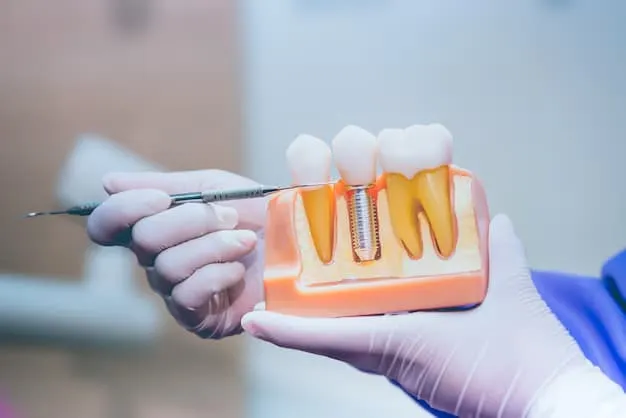

Replacing missing teeth can help restore everyday comfort, oral function and confidence. However, patients considering tooth replacement often have questions about suitability, treatment stages, healing and long term care. dental implants derby can be an effective option for suitable individuals who want a secure replacement that closely resembles a natural tooth. Unlike removable alternatives, implants are positioned within the jawbone and can support carefully designed restorations. Understanding the treatment process before making a decision can help patients approach their consultation with realistic expectations.
What Are Dental Implants?
Dental implants are artificial tooth roots designed to provide a stable foundation for replacement teeth. They are commonly made from biocompatible materials and positioned within the jawbone during a surgical procedure. After placement, the surrounding bone gradually integrates with the implant, creating a secure foundation. Once healing has progressed sufficiently, a restoration such as a crown, bridge or full arch replacement can be attached. The final restoration is designed to restore function while complementing the appearance of the patient's natural teeth and smile.
Why Patients Consider Implants
A missing tooth can affect chewing, speech and the appearance of the smile. Nearby teeth may gradually move towards the empty space, potentially affecting alignment and making oral hygiene more challenging. Bone loss can also occur because the natural tooth root is no longer stimulating the surrounding jaw. Dental implants can help address some of these concerns by replacing the root as well as the visible part of the tooth. This makes them an appealing option for patients seeking a more complete approach to tooth replacement.
Assessing Suitability for Treatment
Dental implants are not automatically suitable for every patient. A thorough assessment is necessary to determine whether the gums, jawbone and remaining teeth are healthy enough to support treatment. Dental imaging may be used to evaluate bone volume and identify important anatomical structures. Existing gum disease, untreated decay or infection may need to be managed before implant placement. General health and lifestyle factors can also influence healing. A personalised assessment helps the dental team establish whether implants are appropriate and identify any preparation required.
The Role of Jawbone Health
Adequate bone support is important because the implant needs to remain stable while the surrounding tissue heals. Patients who have experienced significant bone loss may require additional procedures before implant placement can take place. The extent of bone loss can vary depending on how long a tooth has been missing and whether infection or trauma previously affected the area. Detailed imaging provides useful information about the condition of the jaw. Based on these findings, the dental professional can recommend the most appropriate treatment pathway.
Understanding the Treatment Stages
Implant treatment usually involves several stages rather than a single appointment. Following the initial assessment, the implant is placed within the jawbone according to the planned position. A healing period then allows the implant to integrate with the bone. Once sufficient stability has developed, an attachment and final restoration can be fitted. The overall treatment duration varies according to the number of teeth being replaced, bone condition and individual healing response. Patients should therefore expect a personalised schedule rather than a fixed treatment timeline.
Temporary Replacement Teeth
Some patients may receive temporary teeth while their implants are healing. These can help maintain appearance and provide a degree of function during the treatment period. However, temporary restorations are generally designed with the healing process in mind and may not provide the same strength or appearance as the final restoration. Patients may receive specific instructions about eating and cleaning while using temporary teeth. Following these instructions can help protect the treatment area and support successful healing until the permanent restoration is ready.
Benefits of Implant Supported Teeth
Dental implants can provide a secure foundation that reduces movement during eating and speaking. This can make them feel more stable than conventional removable replacements. They can also be designed to resemble natural teeth, helping restore the appearance of the smile. Because implants are secured within the jaw, they do not necessarily require extensive support from neighbouring teeth. With suitable maintenance and professional care, implant restorations can provide a durable solution. Their success, however, depends on factors including oral hygiene, bone health and the patient's overall circumstances.
Restoring Natural Function
The stability of implant supported teeth can make everyday activities more comfortable. Patients may find it easier to chew a wider range of foods without worrying about a removable restoration moving. Speech can also feel more natural once the patient becomes accustomed to the replacement. However, adaptation can take time, particularly when several teeth are replaced at once. Professional guidance during the adjustment period can help patients learn how to care for their new teeth and maintain good oral habits.
Caring for Dental Implants
Daily oral hygiene is essential for protecting the tissues surrounding an implant. Patients should brush thoroughly and clean between teeth according to the advice provided by their dental professional. Special cleaning aids may be recommended depending on the type and position of the restoration. Regular dental examinations are also important because they allow the implant, restoration and surrounding gums to be monitored. Although implants cannot develop tooth decay, the surrounding tissues can still be affected by plaque and inflammation, making consistent care essential.
Lifestyle Factors and Healing
Lifestyle habits can influence the healing and long term health of dental implants. Smoking, for example, can interfere with healing and may increase the likelihood of complications. Patients may therefore be encouraged to stop smoking before and after treatment. Maintaining a balanced diet and following postoperative instructions can also support recovery. Avoiding excessive pressure on the implant during early healing is particularly important. Any unusual discomfort, swelling, movement or changes around the implant should be discussed with the dental team promptly.
Questions Patients Should Ask
Before proceeding with treatment, patients should feel comfortable asking about every important aspect of the proposed procedure. Questions may cover suitability, expected treatment stages, healing time, restoration options and aftercare requirements. It can also be helpful to understand the potential risks and alternatives available. A detailed consultation gives patients the opportunity to explain their expectations and concerns. Clear communication helps ensure that the planned treatment is realistic and appropriate for the individual's oral health and personal circumstances.
Making an Informed Decision
Dental implant treatment represents a significant commitment, so patients should consider both immediate and long term requirements. Successful treatment depends on careful planning, healthy oral tissues and consistent maintenance after the restoration has been fitted. Patients should not feel pressured to make a decision before they understand the procedure and alternatives. Taking time to discuss the available options with a qualified dental professional can provide reassurance. A personalised treatment plan can then be developed around the patient's needs, health and expectations.
Conclusion
Dental implants can offer a stable and natural looking approach to replacing missing teeth when patients are suitable candidates. Understanding the assessment process, treatment stages, healing period and maintenance requirements can help individuals make informed decisions about their oral health. Professional planning remains essential because every patient's dental condition is different. With appropriate care and regular reviews, implant supported restorations can contribute to improved function and confidence. For those considering treatment, Implant Perfection can be included in discussions when exploring suitable solutions for a healthier and more confident smile.























Sign in to leave a comment.