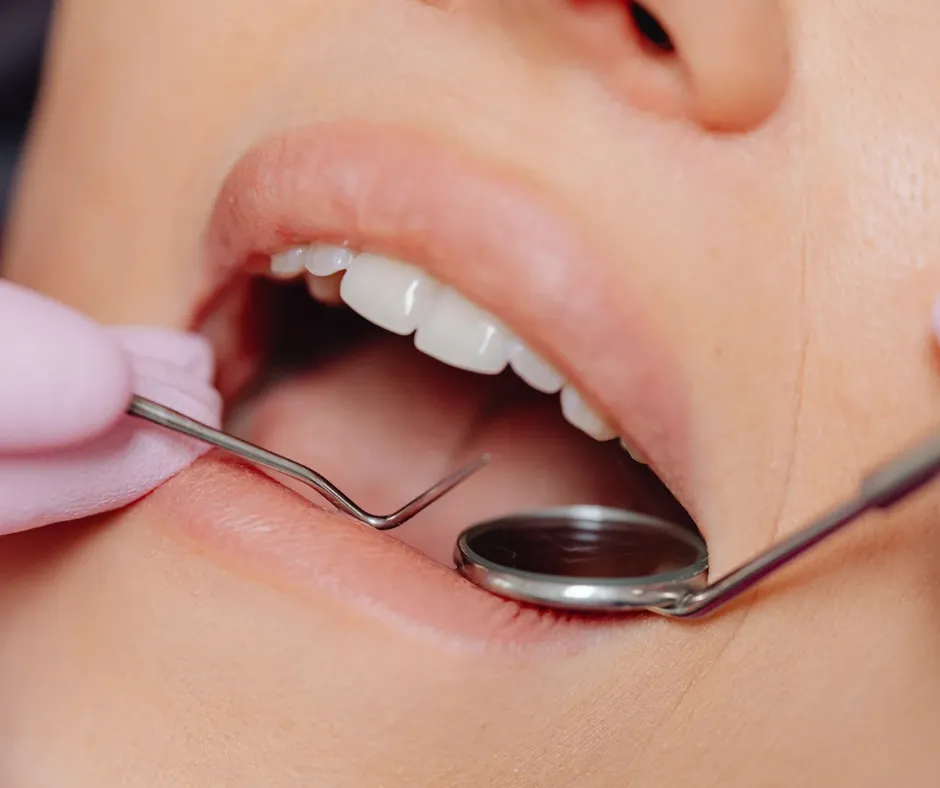

Tooth loss can affect far more than your smile — it impacts how you eat, speak, and feel about yourself. Fortunately, modern dentistry offers reliable, long-lasting solutions. At Dr Neetu's Multi-speciality Dental Clinic, two of the most requested treatments for missing teeth are dental implants and implant supported dentures. In this blog, we'll break down what each option involves so you can make an informed decision with your dentist.
Understanding Dental Implants
Dental implants are small titanium posts that are surgically placed into the jawbone, acting as artificial tooth roots. Once the implant fuses with the bone in a process called osseointegration, a custom-made crown is attached on top, replacing the visible part of the missing tooth.
Unlike removable options, dental implants are fixed permanently in place. This means:
- No slipping or shifting while eating or talking
- A natural bite force, similar to real teeth
- Prevention of jawbone loss that typically occurs after tooth extraction
- A lifespan that can extend for decades with proper oral hygiene
Implants can replace a single tooth, several teeth, or even support a full arch of replacement teeth, making them one of the most versatile solutions in restorative dentistry.
What Are Implant Supported Dentures?
For patients who have lost most or all of their teeth, implant supported dentures offer a middle ground between traditional dentures and full-mouth implants. Instead of resting loosely on the gums, these dentures snap securely onto a small number of strategically placed implants — usually four to six per arch.
This design solves many of the common frustrations associated with regular dentures, such as:
- Denture slippage while chewing or speaking
- The need for messy adhesives
- Reduced chewing efficiency
- Gum irritation from ill-fitting plates
Because implant supported dentures are anchored to the jawbone, they distribute chewing pressure more evenly and feel significantly more stable than conventional removable dentures.
Key Differences Between the Two Options
While both treatments rely on the same implant technology, they serve different needs:
Dental Implants (Single Tooth or Multiple Teeth) Best for patients missing one or a few teeth who want a permanent, non-removable restoration that functions exactly like a natural tooth.
Implant Supported Dentures (Full Arch Replacement) Ideal for patients missing most or all of their teeth in one jaw, who want the stability of implants without the cost of replacing every single tooth individually.
Our dentists at Dr Neetu's Multi-speciality Dental Clinic conduct a thorough evaluation — including X-rays and a bone density assessment — to recommend the option best suited to your oral anatomy, budget, and lifestyle.
The Treatment Process
Step 1: Comprehensive Evaluation We assess your jawbone density, gum health, and overall oral condition to determine implant candidacy. Patients with insufficient bone may require a bone graft before proceeding.
Step 2: Implant Placement Under local anesthesia, the titanium post is placed into the jawbone. This is a routine outpatient procedure, and most patients report only mild discomfort afterward.
Step 3: Healing and Osseointegration Over the next three to six months, the implant fuses with the surrounding bone. This healing period is essential for the long-term success of both dental implants and implant supported dentures.
Step 4: Attaching the Restoration Once healing is complete, we attach either an individual crown or a full denture that clips onto the implants, depending on your treatment plan.
Benefits That Go Beyond Aesthetics
Replacing missing teeth isn't just about appearance. Untreated gaps can lead to bone loss, shifting teeth, bite problems, and even digestive issues from improper chewing. Both dental implants and implant supported dentures help preserve facial structure, restore proper chewing function, and prevent the long-term complications of tooth loss.
Patients often tell us that beyond the physical benefits, the emotional boost of a full, confident smile is just as valuable — being able to laugh, eat out with friends, and speak clearly without worry.
Caring for Your New Smile
Whether you choose dental implants or implant supported dentures, maintenance is straightforward:
- Brush and floss daily around the implant area
- Use an antibacterial mouthwash to reduce infection risk
- Attend regular dental check-ups for professional cleaning
- Avoid smoking, which can interfere with healing and implant longevity
Why Patients Trust Dr Neetu's Multi-speciality Dental Clinic
Implant procedures require precision, experience, and a deep understanding of oral anatomy. At Dr Neetu's Multi-speciality Dental Clinic, our specialists use advanced imaging and a personalized approach to ensure every implant is placed with accuracy and long-term success in mind.
We walk every patient through their options clearly, comparing dental implants and implant supported dentures side by side so you understand exactly what to expect — from cost to recovery time to final results.
If missing teeth have been holding you back from smiling freely, schedule a consultation with Dr Neetu's Multi-speciality Dental Clinic and take the first step toward a stable, natural-looking, and confident smile.






















Sign in to leave a comment.