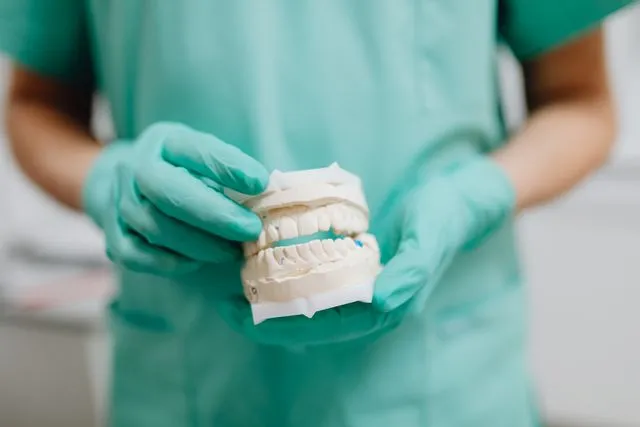

A broken or loose denture clasp can make a partial denture uncomfortable, unstable, or difficult to wear. Because the clasp helps keep the denture securely positioned, even a small amount of damage can affect how confidently you eat and speak.
For people across New South Wales, professional denture clasp repair can often restore the existing appliance without requiring a completely new partial denture. The right solution depends on the type of clasp, the material used, and the extent of the damage.
What Is a Denture Clasp?
A denture clasp is the component of a removable partial denture that helps grip the supporting teeth and keep the appliance in place. Clasps are commonly made from metal or incorporated into certain flexible denture designs.
Over time, clasps can become bent, loose, cracked, or broken due to everyday use. Repeatedly removing and inserting a denture, accidental drops, chewing forces, and changes in the supporting teeth can all contribute to clasp problems.
How Much Does Denture Clasp Repair Cost in NSW?
The cost of denture clasp repair in NSW varies depending on the type of denture and the repair required. A straightforward adjustment or minor repair will generally cost less than replacing a damaged clasp or modifying the denture framework.
The final price can depend on factors such as:
- The material and design of the clasp
- Whether the clasp is bent, cracked, or completely broken
- The type of partial denture
- Whether additional components need repair
- Whether laboratory work is required
- Whether the denture needs adjustment after the repair
For an accurate price, a professional assessment is usually necessary. Trying to estimate the cost based only on a photograph can be unreliable because the damage may involve the denture base or framework as well as the clasp.
How Is a Broken Denture Clasp Repaired?
The repair process starts with an examination of the denture and the area where the clasp has been damaged. The repair professional will determine whether the existing clasp can be adjusted or whether it needs to be repaired or replaced.
Depending on the situation, the process may involve:
1. Assessment: The denture is examined for damage, fit, and stability.
2. Clasp adjustment: If the clasp is simply bent or has become loose, it may be possible to carefully adjust it.
3. Clasp repair or replacement: A severely damaged clasp may require professional repair or replacement using an appropriate material.
4. Denture adjustment: Once the repair is completed, the denture may need minor adjustments to ensure it fits comfortably.
5. Final fitting: The repaired denture is checked to make sure it sits properly and functions as intended.
Professional Denture Repairs can be particularly useful when the rest of the appliance is still in good condition and only one component has failed.
How Long Does Denture Clasp Repair Take?
The turnaround time depends on the complexity of the repair. Simple adjustments may be completed relatively quickly, while repairs involving laboratory work can take longer.
If the clasp is part of a more complex chrome or partial denture framework, additional time may be needed to ensure the repair is strong and properly fitted.
If you need a repair urgently, ask the denture clinic or dental laboratory about their current turnaround time before visiting. Some services may offer same-day or urgent repairs for selected types of damage, while more complicated repairs may require additional appointments.
Can a Broken Clasp Be Repaired Instead of Replacing the Denture?
In many cases, yes. A broken clasp does not automatically mean the entire denture needs to be replaced.
If the denture base, teeth, and remaining framework are still in suitable condition, repairing the damaged clasp may be a practical option. However, replacement may be recommended if the denture is old, significantly damaged, poorly fitting, or no longer suitable for the condition of the mouth.
A professional assessment is the best way to determine which option makes sense.
What Should You Do If Your Denture Clasp Breaks?
Avoid trying to bend or glue the clasp back into position yourself. Household adhesives can damage denture materials and may make professional repair more difficult.
Instead, keep the denture safely stored and arrange an assessment with a qualified denture professional. If the broken clasp is causing sharp edges, discomfort, or instability, avoid wearing the denture until it has been assessed.
For patients throughout NSW, including areas such as Tahmoor, Wollondilly, Campbelltown, Camden, Picton, and surrounding communities, choosing a local denture repair provider can make the process more convenient.
Get Your Denture Clasp Assessed
A damaged clasp can often be addressed without replacing an otherwise usable partial denture. Whether you need a minor adjustment, clasp replacement, or a more extensive repair, the appropriate solution depends on the condition and design of your denture.
If your partial denture clasp is broken, loose, or no longer holding the denture securely, arrange a professional assessment rather than attempting a DIY repair. Early attention can help prevent further damage and get your denture functioning comfortably again.


















Sign in to leave a comment.