

Losing several or all of your natural teeth can affect much more than your smile. Missing teeth may make it harder to chew certain foods, speak clearly, and feel confident in social situations. Dentures can provide a practical way to replace missing teeth while supporting everyday oral function. Modern dentures are designed to look more natural, fit more comfortably, and provide better stability than older styles. Whether you have recently lost teeth or have been living with missing teeth for years, discussing your options with a qualified dental professional can help you choose an approach that fits your needs.
For patients considering dentures in Ventura, the first step is a comprehensive dental evaluation. Your dentist can examine your gums, remaining teeth, jawbone, and overall oral health before recommending a denture option. At Beach Cities Dental Group, patients can discuss different tooth-replacement solutions based on their individual smile, comfort, and functional goals. A personalized evaluation is important because every patient has different oral conditions and expectations.
What Are Dentures?
Dentures are removable dental appliances designed to replace missing teeth and surrounding oral structures. They are generally made from a combination of acrylic and other dental materials and are customized to fit the patient's mouth.
Dentures can replace a complete arch of teeth or only some missing teeth. Depending on the number of teeth missing and the condition of your remaining teeth, your dentist may recommend complete dentures, partial dentures, or another restorative solution.
Modern dentures can be customized in terms of tooth shape, size, color, and overall appearance. This allows the restoration to blend more naturally with your facial features and smile.
Types of Dentures Available
There are several types of dentures, and the right option depends on your oral health and the number of teeth that need replacement.
Complete Dentures
Complete dentures are designed for patients who have lost all or most of the teeth in an upper or lower dental arch. They replace an entire set of teeth and can help restore basic chewing and speaking functions.
Partial Dentures
Partial dentures are used when some natural teeth remain. They fill spaces created by missing teeth and can help prevent surrounding teeth from shifting into those gaps.
Immediate Dentures
Immediate dentures may be placed soon after natural teeth are removed. They allow patients to have replacement teeth during the healing period. Because the gums and jaw can change shape while healing, adjustments or replacement dentures may eventually be necessary.
Implant-Supported Dentures
Implant-supported dentures use dental implants to provide additional support. Instead of resting primarily on the gums, the denture attaches to implants placed in the jawbone. This can provide greater stability for suitable candidates.
Benefits of Choosing Dentures
Replacing missing teeth can provide several functional and cosmetic benefits.
One major advantage is improved chewing ability. Missing teeth can make certain foods difficult to eat, while properly fitted dentures can help restore a broader range of eating options.
Dentures can also support clearer speech. Missing teeth can affect how certain sounds are produced, so replacing them may help improve pronunciation.
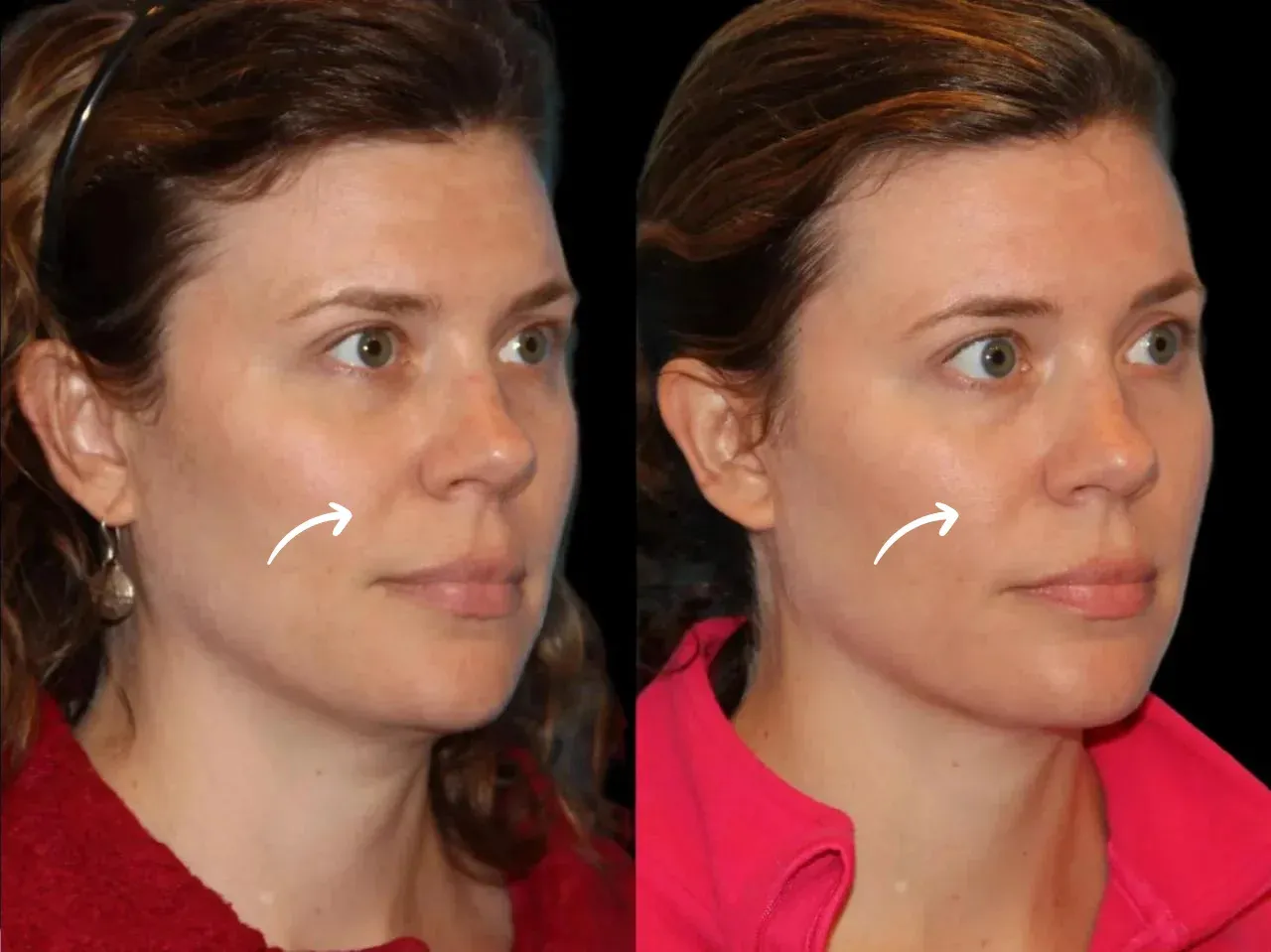
Another benefit is appearance. Tooth loss can change the way the lips and cheeks are supported. Well-designed dentures can help restore facial support and create a more complete smile.
Dentures may also provide an affordable and practical tooth-replacement option for many patients. Your dentist can compare dentures with alternatives such as bridges or dental implants and explain the advantages and limitations of each.
How Are Dentures Made?
The denture process generally begins with an examination and treatment consultation. Your dentist evaluates your oral tissues and determines which type of restoration may be appropriate.
Measurements and impressions of your mouth may then be taken. These records help the dental laboratory create a denture that fits your oral anatomy.
In some cases, a temporary or trial arrangement is used to evaluate the size, shape, and appearance of the teeth before the final denture is completed. Once the restoration is ready, your dentist checks its fit and makes adjustments when needed.
A proper fit is important for comfort, chewing, speech, and denture stability.
Adjusting to New Dentures
It can take some time to become comfortable with a new set of dentures. During the adjustment period, your mouth and facial muscles are learning how to work with the restoration.
Some patients may initially notice increased saliva, mild gum sensitivity, or changes in speech. These issues often improve as the mouth becomes accustomed to the dentures.
Starting with softer foods and cutting food into smaller pieces can make eating easier. Practicing speaking aloud can also help you become comfortable with your new restoration.
If your dentures cause persistent pain, slipping, or irritation, contact your dental office. A professional adjustment may improve the fit and comfort.
Caring for Your Dentures
Proper denture care can help maintain the condition and appearance of your restoration.
Remove removable dentures as recommended by your dentist and clean them regularly using products designed specifically for dentures. Avoid using very hot water because excessive heat can potentially affect the shape of some denture materials.
Your gums and tongue should also be cleaned regularly. Even without natural teeth, maintaining good oral hygiene remains important.
When dentures are not being worn, store them appropriately according to your dentist's instructions. Keeping them properly hydrated when recommended can help maintain their shape.
Regular dental appointments are also important. Your dentist can examine your gums, check the fit of your dentures, and identify changes that may require adjustments or replacement.
When Should You Consider Dentures?
Dentures may be worth discussing if you have multiple missing teeth, difficulty chewing, significant tooth loss, or teeth that cannot be restored effectively. They may also be considered after extensive tooth loss when a complete replacement is needed.
However, dentures are not automatically the best option for every patient. Dental implants, bridges, or combinations of treatments may provide alternatives depending on your oral health and goals.
A consultation gives you the opportunity to discuss your concerns and compare available options before making a decision.
Why Choose Beach Cities Dental Group?
Choosing the right dental office is an important part of the tooth-replacement process. Beach Cities Dental Group can provide an opportunity to discuss dentures and other restorative options with a dental team familiar with comprehensive oral care.
During your consultation, you can discuss concerns about comfort, appearance, chewing ability, maintenance, and long-term care. Your dentist can then recommend an approach based on your individual circumstances rather than using a one-size-fits-all solution.
Restore Your Smile With the Right Denture Option
Missing teeth can influence your daily routine, confidence, and oral function, but modern restorative dentistry offers several ways to address tooth loss. Dentures can provide a removable solution for replacing multiple missing teeth while helping restore chewing, speech, and smile appearance.
If you are considering dentures, schedule a consultation with Beach Cities Dental Group to discuss your options. A thorough evaluation can help determine which type of denture or alternative tooth-replacement treatment may be appropriate for your smile. With the right treatment plan and regular care, dentures can become a comfortable part of your everyday life.



























Sign in to leave a comment.