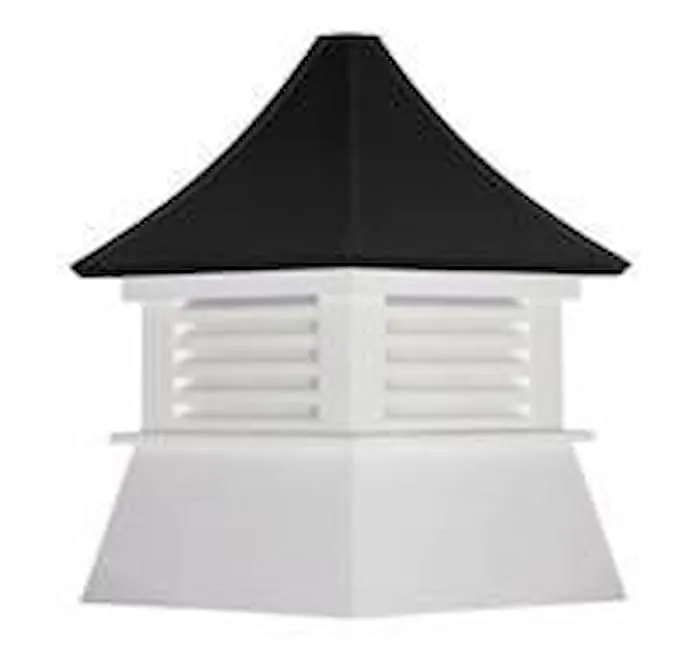

Outdoor structures can gain remarkable visual character through carefully selected architectural details that complement their size, purpose, and surroundings. Sheds and gazebos often have simple rooflines, making them suitable spaces for decorative additions that create greater visual interest. shed cupolas and gazebo cupolas can introduce height, balance, and distinctive detail without requiring major changes to an existing structure. Their elevated position naturally draws attention while allowing property owners to coordinate materials, colors, windows, and trim with the surrounding architecture. Thoughtful selection can transform an ordinary outdoor building into a more memorable and inviting feature.
Understanding Cupolas for Outdoor Structures
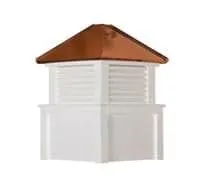
Cupolas are raised architectural features commonly positioned above roofs to enhance appearance and, depending on their design, provide ventilation or natural light. Their elevated placement creates a stronger roofline and can give smaller buildings a more finished appearance. For sheds and gazebos, proportion is especially important because these structures generally have compact dimensions. A well sized cupola can add visual height without making the building appear crowded. Different shapes, materials, finishes, windows, and louvers allow property owners to select designs that complement both traditional and contemporary outdoor structures.
Why Proportion Matters
The relationship between the cupola and the structure below determines much of the finished appearance. A cupola that is too large can overpower a small shed or gazebo, while one that is too small may become difficult to notice. Roof width, roof pitch, building height, and viewing distance should all be considered during selection. The cupola should appear naturally connected to the structure rather than added as an unrelated ornament. Careful measurements can help establish a balanced relationship and ensure that the architectural feature enhances rather than distracts from the building.
Enhancing Shed Exteriors
Sheds are often designed primarily for storage, gardening, tools, or workshop activities, but their exterior appearance can also contribute to the overall property. A cupola can add architectural interest to an otherwise simple roofline and make the structure feel more intentional. Windowed or louvered designs can introduce additional detail while coordinating with doors, siding, and trim. A carefully selected finish can also connect the shed with the main residence or nearby outdoor features. This approach allows a functional storage building to become a visually appealing component of the landscape.
Creating a Garden Focal Point
A shed positioned within a garden can become a natural focal point when its architecture complements the surrounding landscape. A cupola can draw attention upward while adding a traditional or decorative character to the structure. Coordinating the cupola with garden fencing, pathways, planters, and exterior colors can create a cohesive setting. Materials that complement nearby wood, stone, or metal features can further strengthen the connection between the building and landscape. With thoughtful planning, the shed can serve as both a practical storage space and an attractive architectural element within the garden.
Adding Character to Gazebos
Gazebos are naturally associated with outdoor relaxation and entertaining, making their visual design an important part of the landscape. A cupola can enhance the roofline and create a distinctive finishing detail above the open structure. Because gazebos are frequently viewed from multiple directions, a well designed cupola should maintain an appealing profile from different angles. Windows, louvers, trim, and roofing materials can be selected to complement the gazebo's existing construction. The result can be an elegant architectural feature that strengthens the gazebo's presence without reducing its open and welcoming character.
Creating a Refined Outdoor Setting
A gazebo with a carefully selected cupola can become a refined centerpiece for gardens, patios, parks, or larger landscaped properties. The elevated detail creates additional visual dimension while reinforcing the structure's traditional character. Decorative trim can echo nearby architectural elements, while complementary roofing can create a unified appearance. Landscaping around the gazebo can further enhance its visual impact. Trees, shrubs, pathways, seating areas, and lighting can all contribute to the overall composition. Combining these elements thoughtfully can make the gazebo feel integrated into the landscape rather than appearing as a separate structure.
Selecting Materials for Shed Cupolas
Material selection influences both appearance and maintenance requirements. Shed cupolas can be constructed from materials suited to the building's existing exterior and the surrounding environment. Wood can provide a traditional appearance, while vinyl or metal options may offer different maintenance characteristics. The selected material should coordinate with the shed's siding, roof, doors, and trim. Color is equally important because a matching finish can create subtle continuity, while a contrasting finish can make the cupola more noticeable. Considering the entire exterior before making a selection helps create a cohesive and attractive result.
Matching Existing Architectural Details
A cupola does not need to duplicate every detail of the structure to appear integrated. Instead, repeating selected elements can create visual consistency. For example, window patterns can echo nearby windows, while trim colors can match the shed's doors or fascia. Roofing materials can also be coordinated to establish a stronger relationship between the cupola and the main roof. These small connections can make a significant difference in the finished appearance. A thoughtful combination of repeated details and subtle contrasts can help the cupola become a natural part of the shed's overall design.
Choosing Styles for Gazebo Cupolas
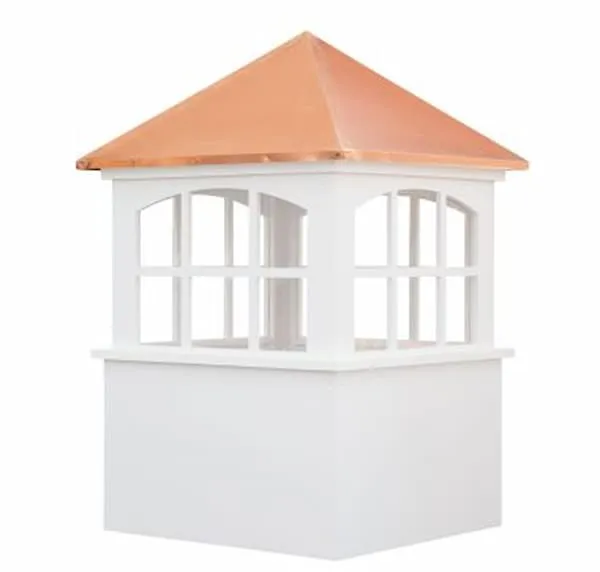
Gazebos can accommodate a wide range of cupola styles depending on the desired architectural character. Traditional designs may include decorative trim, divided windows, and classic roofing details. Simpler designs can create a cleaner appearance suitable for contemporary landscapes. The cupola's shape should complement the gazebo's roof and overall geometry. Square, rectangular, and other forms may produce different visual effects. The best selection depends on the structure's proportions and the surrounding property. Considering these factors helps ensure that the cupola enhances the gazebo without competing with its architectural features.
Coordinating With Landscape Architecture
The surrounding landscape should be considered when choosing a gazebo cupola. A structure located within a formal garden may benefit from refined architectural details, while a rustic setting may call for natural materials and traditional styling. Nearby buildings can also influence the design choice. Coordinating the cupola with fences, pergolas, patios, and other outdoor structures can establish a consistent visual theme. Even subtle similarities in color, material, or shape can connect different parts of a property. This creates a landscape that feels intentionally designed rather than assembled from unrelated features.
Exploring Window and Louver Designs
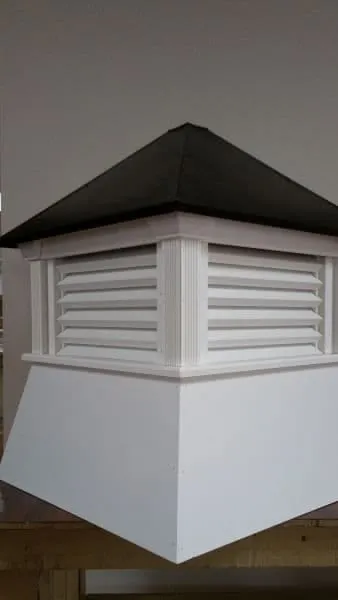
Windows and louvers can significantly influence the appearance of a cupola. Windowed cupolas may create a more open and decorative impression, particularly when the window proportions relate to the building below. Louvered designs can provide a traditional appearance and may also support ventilation where appropriate. The choice depends on the structure's purpose and the desired visual effect. For sheds, louvers may reinforce a functional character, while gazebo designs may emphasize decorative windows. Selecting details that correspond with the structure's overall style can help achieve a balanced and cohesive architectural result.
Adding Decorative Trim
Trim can provide another opportunity to personalize a cupola. Simple profiles can maintain a clean appearance, while more detailed trim can reinforce traditional architectural character. The trim should relate to the structure's existing edges, fascia, windows, and doors. Excessive detailing may overwhelm a small building, so restraint is often valuable when working with compact structures. Repeating one or two decorative elements can create enough visual connection without making the design appear overly complicated. Careful attention to trim proportions can help the cupola look polished from both close and distant viewpoints.
Planning Placement and Installation
Placement plays an important role in the overall effect of a cupola. Centering the feature is a common approach because it can reinforce symmetry and establish a strong visual focal point. However, the ideal position depends on the roof design and structural layout. Installation planning should consider roof dimensions, pitch, access, and the method required to secure the cupola appropriately. Measurements should be reviewed carefully before installation begins. Proper planning can reduce complications and help ensure that the finished feature remains aligned with the structure while providing the intended architectural enhancement.
Considering Long Term Performance
Outdoor structures experience changing weather conditions throughout the year, so durability should be considered alongside appearance. Materials may be exposed to sunlight, rain, wind, moisture, and seasonal temperature changes. Choosing suitable construction materials and maintaining exterior components can help preserve the cupola over time. Periodic inspections may identify dirt accumulation, loose components, damaged finishes, or other issues before they become significant. A design that combines appropriate materials with practical installation can remain attractive while supporting the long term condition of the shed or gazebo.
Creating Distinctive Outdoor Architecture
A cupola can change the way a small outdoor structure is perceived by adding height, symmetry, and architectural detail. On sheds, the feature can elevate a practical building into a more attractive garden or property element. On gazebos, it can strengthen the structure's role as an outdoor focal point. Material selection, roof proportions, trim, windows, louvers, and placement all contribute to the finished appearance. When these details are coordinated carefully, the cupola can enhance the building without appearing excessive. The result is an outdoor structure with greater visual identity and architectural character.
Designing With the Entire Property in Mind
The most effective architectural additions consider the surrounding property rather than focusing only on one structure. A shed or gazebo may be visually connected to a residence, garage, garden, fence, or patio. Matching selected materials and design details can create continuity across these elements. A cupola can serve as one part of this larger design strategy. By considering the property's colors, materials, rooflines, landscaping, and existing architectural features, property owners can create an outdoor environment that feels coordinated. This broader approach can make even a simple cupola addition feel purposeful and sophisticated.
Conclusion
Sheds and gazebos provide excellent opportunities for adding distinctive architectural details without completely changing their original designs. A carefully selected cupola can enhance rooflines, create visual balance, and introduce character through materials, windows, louvers, and decorative trim. Proper sizing and placement are essential for ensuring that the feature complements the structure and surrounding landscape. With thoughtful coordination, Cupolas Direct can help property owners explore design possibilities for shed cupolas and gazebo cupolas that add charm, balance, and lasting architectural interest to outdoor spaces.




















Sign in to leave a comment.