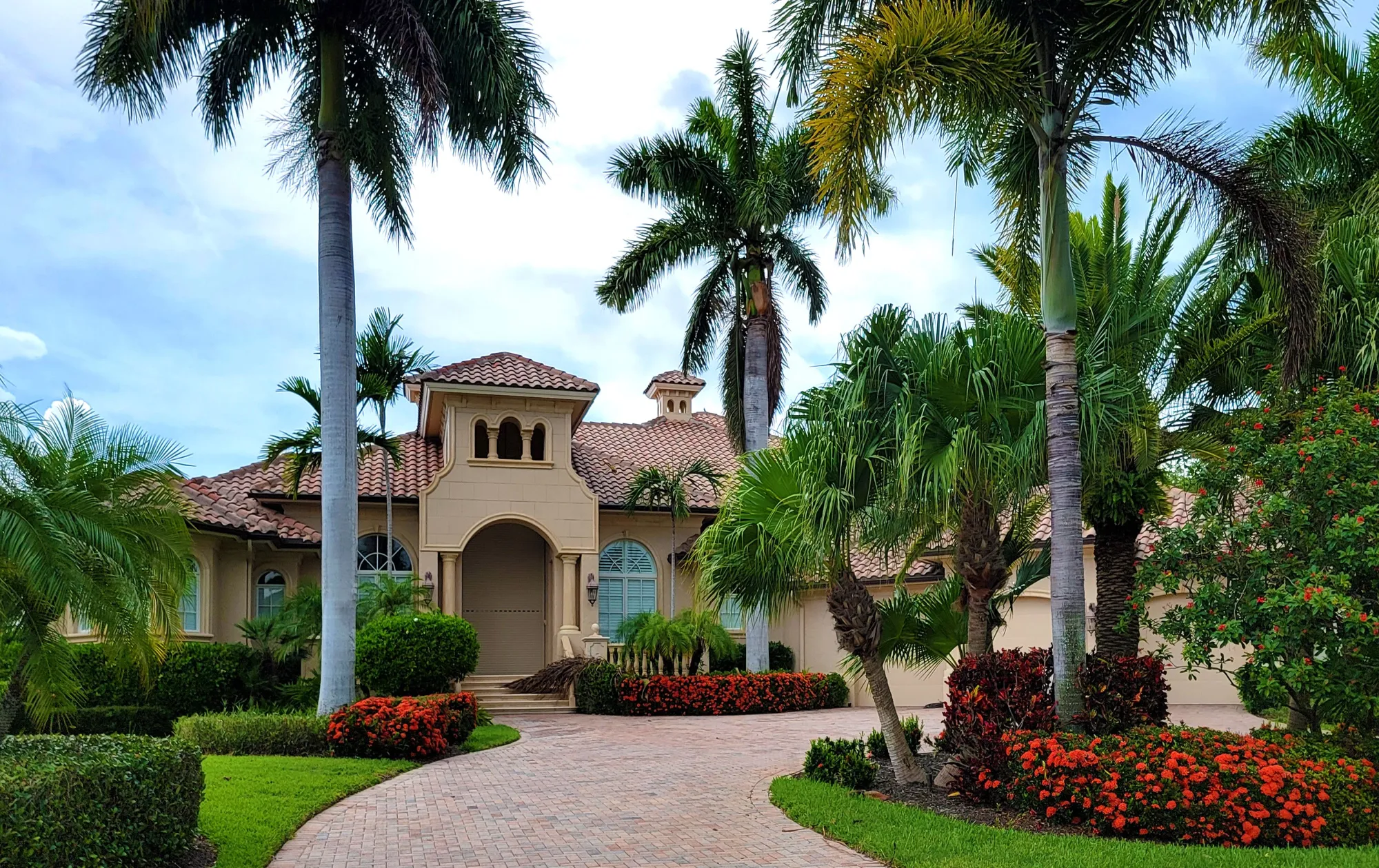

Smart planning, plant choices, and hardscape basics for a yard that lasts.
A great landscape does more than look good on the day it's installed. In upstate New York, it has to handle hot summers, freezing winters, heavy snow, and spring thaws, all while staying beautiful and easy to enjoy. Whether you're starting from scratch or refreshing tired plantings, a little planning goes a long way. Here's how to create an outdoor space that looks great year after year.
Start With a Plan, Not a Plant List
It's tempting to head to the nursery and buy whatever catches your eye, but the best results start with a plan. Walk your property and note how sunlight moves across the yard, where water collects after rain, and which areas you use most. Think about how you want the space to function, whether that's entertaining guests, creating a quiet retreat, or simply improving curb appeal. A good layout improves flow, defines separate areas, and gives each plant and structure a purpose.
Setting a budget early helps too. Many homeowners find it easier to phase a large project over time, starting with the structural elements and adding plantings in stages.
Choose Plants That Suit Your Climate
The most beautiful plant in the world won't last if it can't handle your winters. That's why gardeners rely on the USDA Plant Hardiness Zone Map, which divides North America into zones based on average winter temperatures, with each zone representing a 10°F difference. Matching plants to your zone gives perennials, shrubs, and trees a much better chance of returning strong each spring.
Zone is only part of the story. Consider these factors as well:
- Sun exposure. Full sun, part shade, and deep shade each call for different plants.
- Soil type and drainage. Heavy clay, sandy soil, and wet spots all affect what will grow well.
- Mature size. Plants that look small in a pot can outgrow their space, so plan for their full-grown size.
- Maintenance level. Be honest about how much time you want to spend pruning, watering, and dividing.
Layer Plantings for Year-Round Interest
A landscape that peaks for two weeks in June will feel empty the rest of the year. Combining trees, shrubs, perennials, and ornamental grasses creates depth and texture across all four seasons. Early-blooming bulbs and shrubs kick things off in spring, summer perennials carry the color through the warm months, and grasses, berries, and fall foliage take over as temperatures drop. Evergreens provide structure and a bit of life even in the depths of winter.
Proper spacing and soil preparation matter just as much as plant choice. Giving roots room to grow and enriching the soil at planting time helps a landscape develop naturally instead of becoming crowded or patchy.
Hardscaping: The Foundation of Outdoor Living
Patios, walkways, and retaining walls turn a yard into a usable living space. A well-designed patio gives you a stable spot for dining and gathering. Walkways guide people through the landscape safely, and retaining walls can tame slopes, prevent erosion, and create level planting areas.
In a region with freeze-and-thaw cycles, construction quality is critical. Proper excavation, a compacted base, and good drainage help prevent the shifting, settling, and cracking that can shorten a hardscape's life. Material choice matters too, so look for durable products that can stand up to changing weather. The best hardscapes blend into the surrounding plantings so the whole yard feels cohesive.
Refresh or Redesign?
Not every project requires a full overhaul. If your yard has good bones but looks overgrown or dated, a renovation may be all you need. Removing failing plants, reshaping beds, adding fresh plantings, and updating edging can transform a space without starting over. If your yard has drainage problems, awkward grades, or no defined layout, a more comprehensive redesign may be the smarter long-term investment.
Working With a Design-Build Professional
Complex projects benefit from expert guidance. A team that handles both design and installation can make sure the plans work in practice and that the finished result matches your vision. If you're looking for custom landscaping and hardscaping in the Capital District, it helps to work with a company that has deep local experience. This Nassau-based team has served homeowners in Albany, Delmar, Bethlehem, and the wider Hudson Valley since 1985, and clients work directly with the owner throughout the process.
When interviewing any contractor, ask to see a portfolio, read recent reviews, and request a clear scope and timeline before work begins.
Final Thoughts
A thoughtful landscape is an investment in your home, your lifestyle, and your enjoyment of the outdoors. By starting with a plan, choosing plants suited to your climate, building strong hardscape foundations, and partnering with experienced professionals, you can create a space that looks beautiful and performs well for many seasons to come.


















Sign in to leave a comment.