


A commercial washroom is more than a collection of fixtures—it is a complete hygiene system. In offices, hotels, hospitals, malls, airports, and other high-traffic facilities, every component should work together to improve cleanliness, reduce water consumption, and simplify maintenance.
1. Start With Usage and Traffic Analysis
Before selecting products, understand how the washroom will be used. A facility with hundreds of daily users needs different specifications than a small office. Consider user volume, peak hours, water pressure, plumbing layout, power availability, and maintenance access before finalizing the system.
2. Integrate Touchless Hygiene Solutions
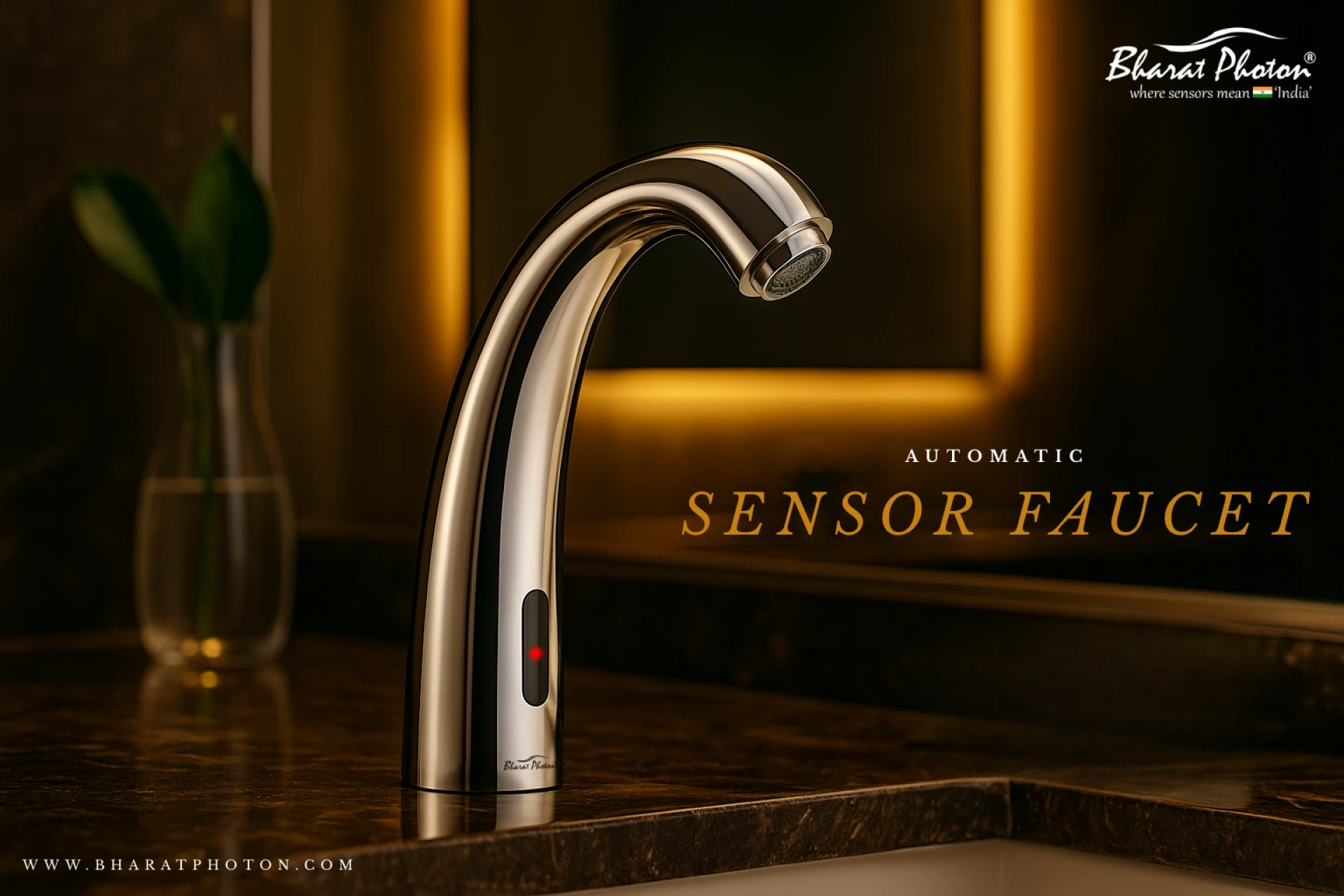
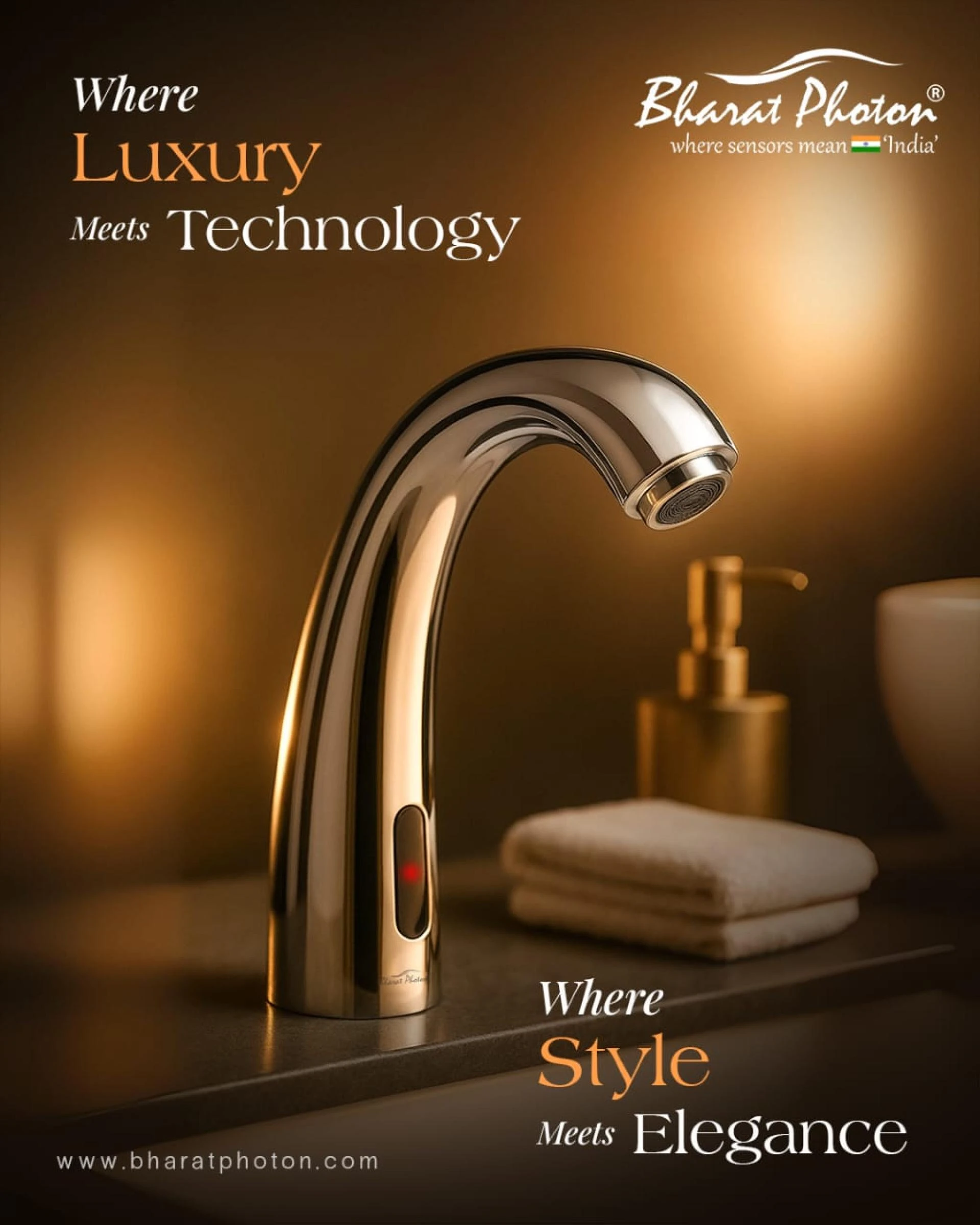
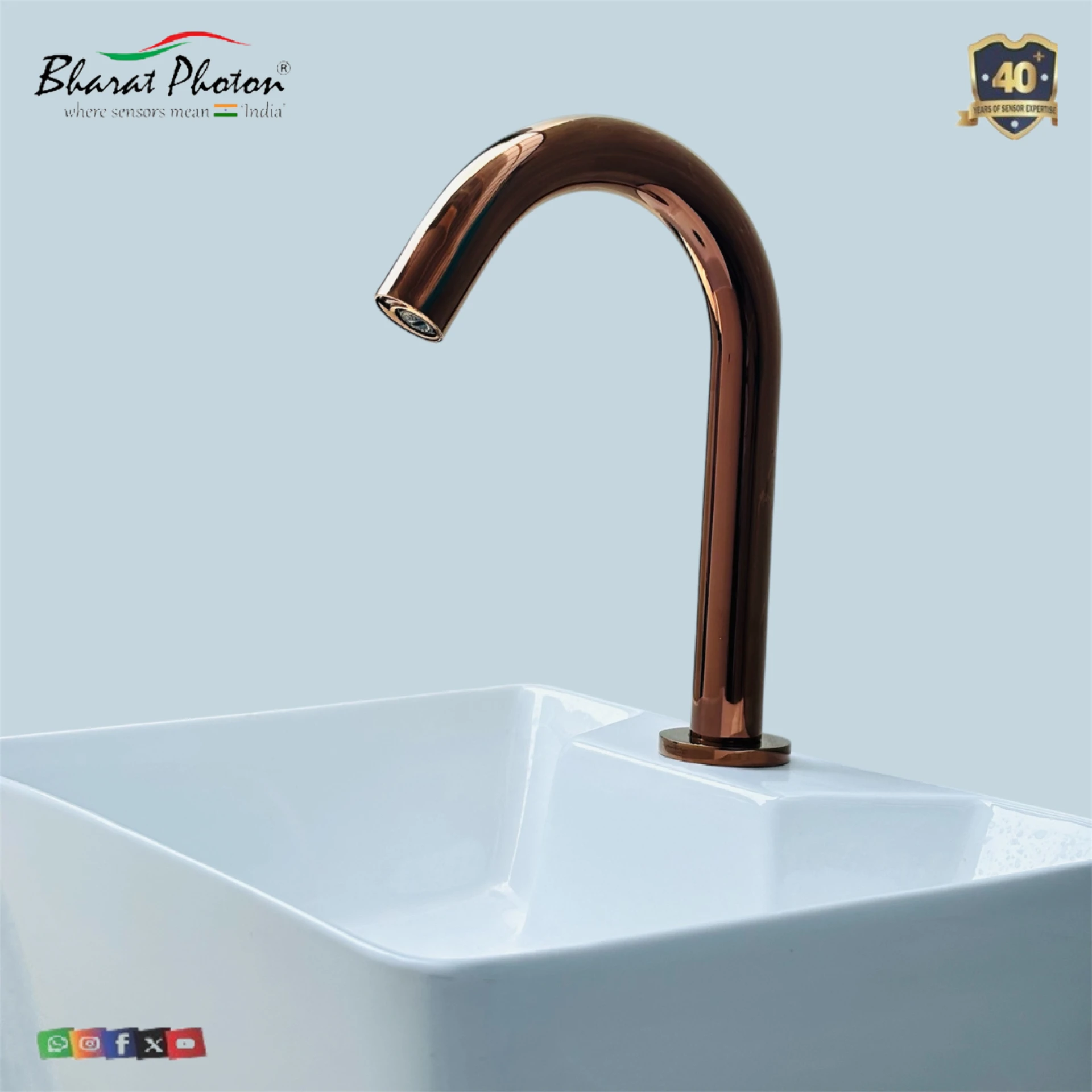
Touchless products can reduce unnecessary contact with frequently used surfaces. A well-designed system may include sensor taps, automatic soap dispensers, hand dryers, and automatic WC or urinal flushers.
For commercial projects, sensor-based fixtures should be selected according to expected usage and installation conditions rather than simply choosing the cheapest option.
3. Plan Water Management Carefully
Water-saving should be designed into the system from the beginning. Sensor taps can control water flow automatically, while automatic urinal and WC flush systems can help prevent unnecessary flushing.
The objective is not simply to use less water—it is to maintain effective cleaning while avoiding wastage.
4. Prioritize Easy Maintenance
One of the most overlooked aspects of commercial washroom design is maintenance. Products should provide straightforward access to batteries, sensors, valves, filters, and service components.
Choosing repairable and serviceable products can also reduce long-term replacement costs, particularly in high-traffic environments.
5. Maintain a Consistent Design
Hygiene technology should look like part of the overall washroom design. Coordinate sensor plates, taps, soap dispensers, hand dryers, sanitary ware, and accessories in terms of finish, proportions, and installation height.
A clean visual system creates a more premium user experience.
6. Choose Products for the Environment
Different locations require different solutions. Airports, hospitals, restaurants, offices, and public washrooms may have significantly different traffic and maintenance requirements.
For example, a busy commercial washroom may benefit from robust stainless-steel sensor fixtures and automatic flushing systems designed for frequent use.
7. Think Beyond Installation
A successful hygiene system should perform reliably for years—not just look impressive on installation day. Check warranty, spare-parts availability, service support, installation requirements, and operating expenses before approving products.
Final Thought
The best commercial washroom hygiene products combine touchless operation, water efficiency, durable products, straightforward maintenance, and coordinated design. Treating the washroom as an integrated system rather than individual products can deliver better hygiene, lower operating costs, and a more consistent user experience.






















Sign in to leave a comment.