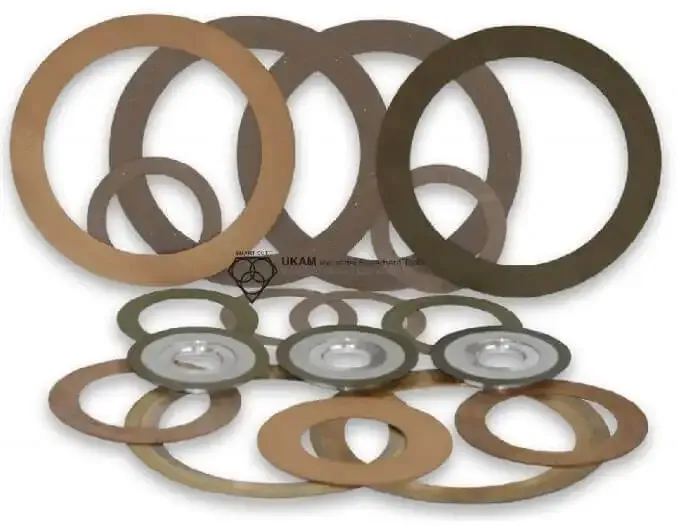

Germanium presents unique challenges in semiconductor fabrication and materials processing, requiring specialized cutting solutions that conventional tools simply cannot deliver effectively. Diamond cut off blade germanium applications demand precision tooling engineered specifically to handle this brittle crystalline material without causing damage or reducing product yields. Diamond cut off blades designed for germanium cutting represent the pinnacle of precision tool technology, combining advanced diamond particle distribution with blade geometries optimized for this demanding application. Whether you're working in semiconductor manufacturing, optoelectronics, infrared optics, or materials research, understanding how to select and utilize the right diamond cut off blade for germanium can significantly impact your productivity, product quality, and operational costs.
Understanding Germanium as a Cutting Challenge
Germanium's unique properties create significant cutting challenges that differentiate it from conventional materials. As a brittle, crystalline semiconductor element with a tetrahedral crystal structure, germanium exhibits extreme hardness combined with susceptibility to chipping, cracking, and subsurface damage during cutting operations. The material's thermal sensitivity further complicates processing—excess heat generated during cutting can cause thermal stress, phase transformation, and structural degradation that compromises material properties and optical performance.
Traditional cutting tools prove inadequate for germanium applications. Standard carbide blades generate excessive heat and wear rapidly against germanium's hardness. Abrasive water jet cutting, while capable of handling brittleness, introduces moisture contamination problematic for semiconductor applications. Diamond tooling provides the only practical solution, offering sufficient hardness, thermal properties, and cutting precision required for quality germanium processing.
Properties of Diamond Cut Off Blades for Germanium
Diamond Particle Selection and Distribution
Specialized blades for germanium employ carefully selected diamond particles with specific grit sizes optimized for this material's cutting characteristics. Typical grit sizes range from 150 to 400 mesh, providing the optimal balance between cutting speed and surface finish quality. The diamond particles must be uniformly distributed across the cutting edge to ensure consistent cutting performance and prevent localized stress concentration that could cause blade failure.
The diamond concentration significantly influences blade performance when cutting germanium. Higher diamond concentrations C100 to C135; concentration (4.4–6 carats per cubic centimeter) extend blade life and maintain consistent cutting efficiency across extended production runs. This higher concentration is particularly crucial for germanium, where the material's extreme hardness creates substantial abrasive stress on the cutting edge.
Bond Matrix Optimization
The bond material holding diamond particles requires careful engineering for germanium applications. A medium-soft bond typically performs best, allowing the bond material to wear gradually and expose fresh diamond particles while maintaining sufficient durability to withstand germanium's extreme hardness. If the bond is too hard, the blade glazes over and cutting efficiency diminishes. If too soft, the blade wears excessively fast, reducing economical blade life.
Specialized formulations often incorporate thermal management compounds within the bond matrix. These materials enhance heat dissipation from the cutting zone, preventing thermal buildup that could damage both the blade and the germanium workpiece.
Types of Diamond Cut-Off Blades for Germanium
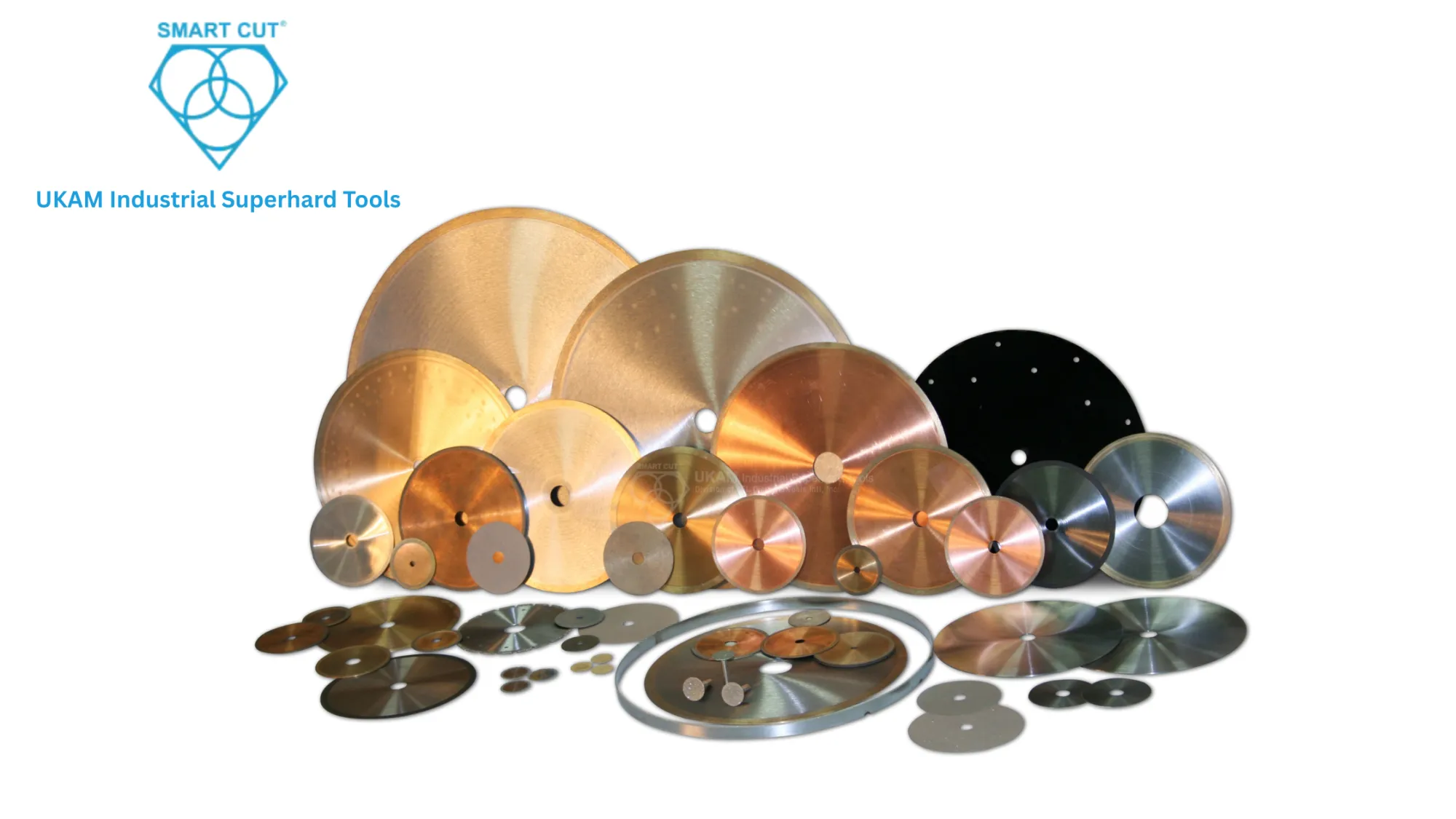
Electroplated Diamond Blades
Electroplated blades feature a single layer of diamond particles applied to the blade surface through electrochemical deposition. This construction method enables precise diamond placement and consistent particle distribution, producing highly accurate cuts with minimal subsurface damage. Electroplated blades excel for germanium applications where surface quality and dimensional accuracy are paramount, though they typically require more frequent blade changes than sintered alternatives.
Sintered Diamond Blades
Sintered blades incorporate diamond particles within a metal matrix permanently bonded to the steel backing through powder metallurgy processes. This construction delivers exceptional durability and consistent cutting performance throughout the blade's service life. Sintered blades prove ideal for high-volume germanium cutting operations where blade longevity and cost-per-cut economics justify the higher initial investment.
Segmented Rim Blades
Segmented designs feature individual diamond segments separated by gullets, improving coolant delivery and chip evacuation during germanium cutting. These blades reduce heat buildup and vibration, producing cleaner cuts with less chipping. The segmentation also allows for blade tension adjustment, accommodating different germanium thicknesses and cutting depths.
Continuous Rim Blades
Continuous rim designs provide the smoothest cuts with minimal chipping—essential for valuable germanium optics and semiconductor wafers where edge quality directly impacts product performance. The uninterrupted diamond edge produces superior surface finish but may cut slightly slower than segmented alternatives.
Critical Specifications for Germanium Applications
Blade Diameter and Thickness
Blade diameter must accommodate your saw's spindle and cutting depth requirements. Common sizes range from 4 inches (100mm) for laboratory applications to 12 inches (300mm) for production cutting. Blade thickness affects kerf width—thinner blades (0.020-0.035 inches) minimize material loss, critical when processing expensive germanium materials, while slightly thicker blades provide enhanced stability for larger workpieces.
Arbor and Mounting Considerations
Ensure precise matching between the blade arbor hole and your equipment's spindle. Standard arbor sizes include 5/8-inch, 1-inch, and metric equivalents. Improper fit causes vibration, misalignment, and poor cutting results. Many germanium cutting applications utilize specialized mounting fixtures that position the blade perpendicular to the workpiece, maintaining accuracy across multiple cuts.
Kerf Width and Material Waste
The kerf—material removed as the blade thickness plus material lost to diamond particles—represents a critical economic consideration. Precision-engineered blades for germanium minimize kerf width through optimized blade thickness and diamond particle size, reducing material waste and maximizing yield from expensive germanium stock.
Specialized Applications Requiring Diamond Cut Off Blades
Infrared Optics Manufacturing
Germanium's exceptional infrared transparency makes it ideal for thermal imaging lenses, windows, and optical components. These applications demand diamond cut off blades that produce optically transparent edges without micro-fractures or subsurface damage that would scatter infrared radiation.
Semiconductor Wafer Processing
Germanium wafer cutting for germanium-based solar cells, high-frequency transistors, and specialized semiconductors requires dimensional precision within micrometers. Diamond blades engineered for germanium deliver the cutting accuracy necessary for these demanding applications while minimizing thermal damage to the crystalline structure.
Research and Materials Science
Laboratories conducting germanium research require precision cutting capabilities for specimen preparation and material characterization. Diamond cut off blades enable researchers to produce clean fracture surfaces suitable for analysis without introducing cutting artifacts that could compromise research results.
Radiation Detection Components
Germanium's application in gamma-ray and nuclear radiation detectors demands absolutely clean cutting with zero subsurface damage that could create defect sites affecting detector performance. Specialized diamond blades designed for germanium deliver the precision required for these critical applications.
Operational Parameters and Techniques
Cutting Speed Optimization
Surface speeds for germanium typically range from 5,000 to 15,000 surface feet per minute (SFPM), depending on blade specification and workpiece dimensions. Harder, fine-grained blades tolerate faster speeds, while softer bonds may require lower speeds to prevent excessive wear. Monitor cutting results and adjust speeds to maintain clean, damage-free cuts.
Feed Rate and Pressure Management
Proper feed rates are absolutely critical for germanium—excessive pressure causes chipping and thermal stress, while insufficient pressure results in glazing and poor cutting efficiency. Typical feed rates should advance the workpiece at 0.5-2 inches per minute, adjusted based on blade condition and material thickness. Allow the blade to do the cutting; germanium's brittleness means aggressive forcing produces poor results.
Coolant Strategy and Selection
Coolant selection profoundly impacts germanium cutting outcomes. Water-based coolants provide effective heat removal but introduce moisture that could compromise semiconductor applications. Oil-based coolants offer superior lubrication but generate heat. Many germanium applications employ specialized coolant formulations balancing cooling, lubrication, and contamination concerns. Ensure abundant coolant delivery reaching the cutting zone.
Integration with Lapidary Diamond Tools
For those working with gemstone-quality germanium or germanium specimens in lapidary applications, understanding how diamond cut-off blades complement broader lapidary diamond tools collections proves valuable. While traditional lapidary work focuses on gemstones, specialized practitioners utilize these precision tools for germanium specimen preparation, mineral research, and collector-grade germanium crystal work requiring the same precision and finesse demanded in gemstone cutting.
Maintenance and Blade Care
Blade Inspection Protocols
Inspect blades before each use for cracks, missing diamond segments, chipping, or irregularities in the cutting edge. Any visible damage requires immediate blade replacement—compromised blades produce poor cuts, generate excessive heat, and pose safety hazards. Monitor blade condition throughout extended cutting operations.
Dressing and Reconditioning
When blade performance degrades from diamond glazing—where metal matrix material covers diamond particles—dress the blade using specialized diamond dressing sticks or by cutting abrasive materials like a silicon carbide block. This restores cutting efficiency by removing glazed material and exposing fresh diamond particles.
Proper Storage
Store unused blades flat or hanging vertically to prevent warping. Protect blade edges from damage or contamination. For valuable or specialized blades, consider individual protective storage cases maintaining optimal condition between uses.
Frequently Asked Questions
Why can't conventional cut off blades cut germanium effectively?
Germanium's extreme hardness and brittleness rapidly dull conventional blades while generating excessive heat that damages the material and reduces yields.
What causes chipping when cutting germanium with diamond blades?
Excessive feed rate, inadequate cooling, improper blade selection, or worn blades commonly produce chipping in brittle germanium.
How long do diamond cut off blades for germanium typically last?
Lifespan varies widely based on germanium thickness, cutting speed, feed rate, and coolant management, ranging from dozens to hundreds of cuts before replacement.
Can diamond blades cut both germanium and other materials?
While possible, using the same blade for diverse materials results in suboptimal performance; specialized blades for germanium deliver superior results for this application.
What determines cut surface quality in germanium cutting?
Blade condition, coolant effectiveness, cutting speed, feed rate, and blade selection collectively determine germanium cut surface quality and subsurface damage.
Is coolant always necessary when cutting germanium?
Coolant is absolutely essential for germanium cutting, providing heat management and preventing thermal stress that could fracture the material or compromise its properties.
Conclusion
Diamond cut off blades engineered specifically for germanium represent essential tooling for semiconductor manufacturers, optics producers, and research organizations working with this challenging material. By selecting appropriate blade specifications, optimizing operational parameters, and maintaining rigorous maintenance protocols, you'll achieve superior cutting results while maximizing blade longevity and protecting valuable germanium stock. Whether processing semiconductor wafers, infrared optics, or research specimens, precision diamond tooling delivers the reliability and quality essential for successful germanium applications.
























Sign in to leave a comment.