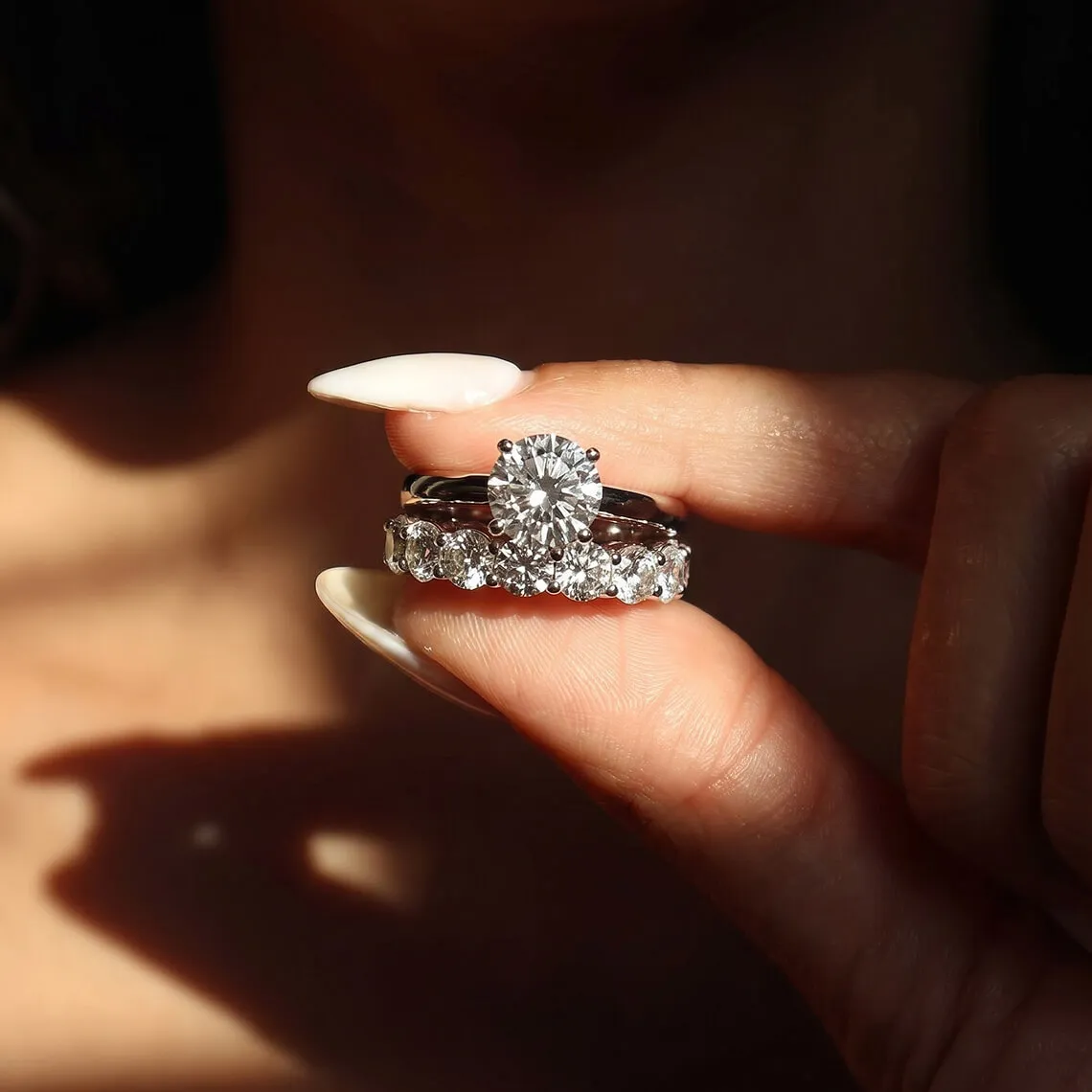

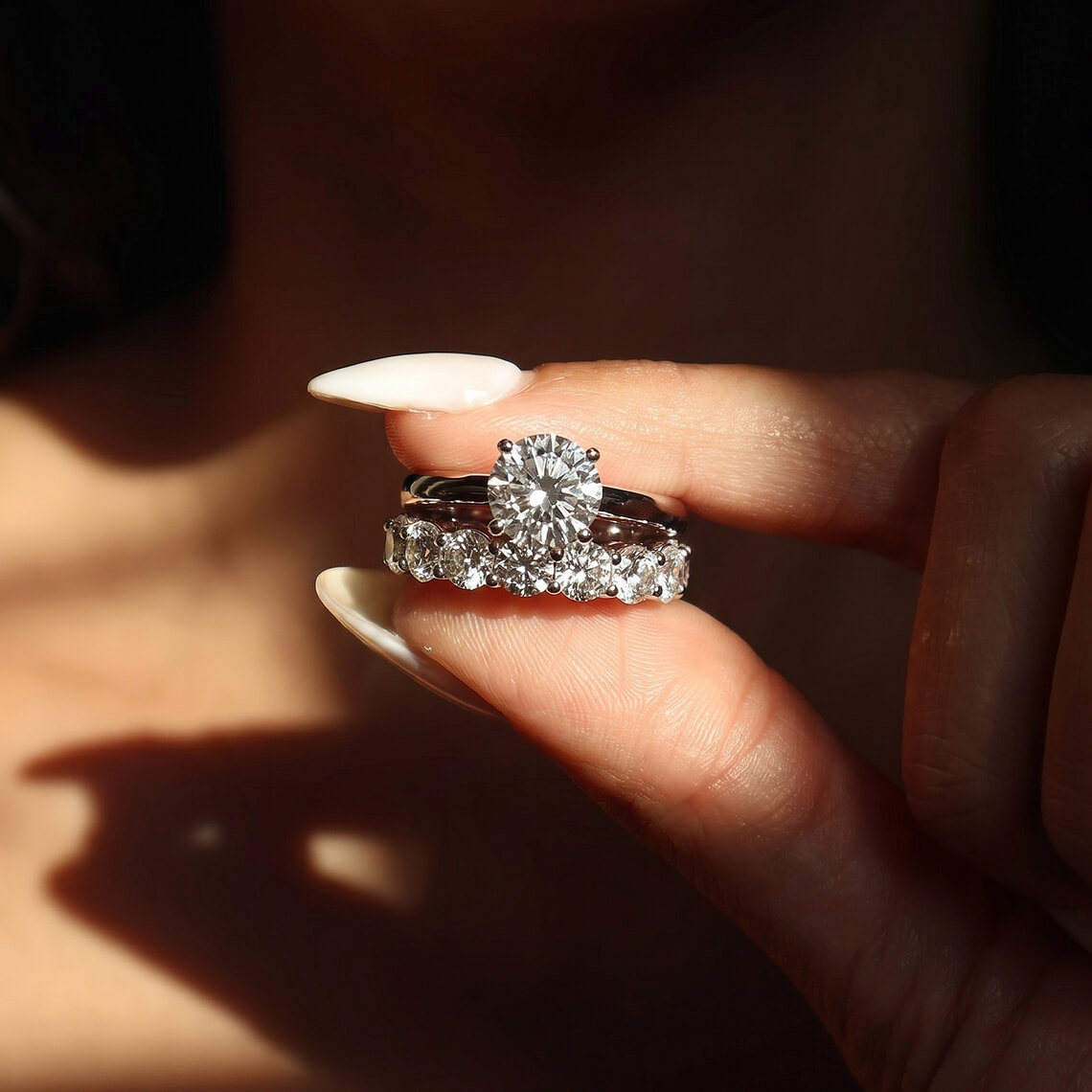
A diamond tennis bracelet has a rare balance of polish and simplicity. Its continuous row of stones feels refined without looking formal or heavy. The tennis bracelet diamond style also works across many wardrobes because it can sit quietly beside a watch or stand alone as a clean focal point.
A good bracelet, however, depends on more than sparkle. Comfort, setting security, stone matching, metal choice, and clasp design all affect how the piece looks and wears over time.
What Makes a Tennis Bracelet Diamond Stand Out
The classic design uses a flexible line of diamonds linked around the wrist. That flexibility helps the bracelet move naturally instead of sitting stiffly against the skin. The best examples look even from end to end, with stones that appear consistent in size, color, and brightness.
Stone matching matters because the eye sees the bracelet as one continuous surface. A single diamond with a noticeable color shift or dull appearance can interrupt that visual rhythm. Buyers should look at the complete bracelet, not only the stated quality of individual stones.
The metal should also support the design without overpowering it. White gold and platinum create a cool, seamless appearance around colorless stones. Yellow and rose gold add visible contrast and can make the bracelet feel warmer or more distinctive.
Stone Quality Matters Differently in a Bracelet
A bracelet is viewed from more distance than a ring, so tiny clarity details usually attract less attention. Cut quality and overall consistency often have a stronger effect on appearance. Well-cut stones return light more effectively and help create the even sparkle people expect from this style.
Color can also be judged as a group. If every stone falls within a close range, the bracelet can look harmonious even when the diamonds are not at the highest color grade. This makes matching especially important in designs with many small stones.
Carat weight needs context as well. A bracelet's total carat weight is spread across all of its diamonds. Two bracelets with the same total weight can look different if one uses fewer, larger stones and the other uses many smaller stones.
Natural and Laboratory-Grown Options
Buyers can find both natural stones and lab grown diamonds in modern tennis bracelets. Laboratory-grown stones have essentially the same chemical, physical, and optical properties as natural diamonds, although their origin and growth process differ.
The choice is personal and should be based on priorities such as origin, budget, documentation, and long-term preferences. Regardless of origin, ask for clear grading information when available and confirm exactly what the seller is offering.
Settings Shape Security and Appearance
The setting determines how much metal is visible around each stone and how protected the diamonds feel during wear. Prong settings are common because they expose more of the stone to light. They can create a delicate, bright look, but the prongs should be checked for wear over time.
Bezel settings wrap metal around the edge of each diamond. This gives the stone more protection and can reduce snagging on clothing. Channel settings place stones between parallel strips of metal, creating a smooth surface with fewer exposed edges. GIA notes that prong, bezel, and channel settings are common tennis bracelet choices, with different balances of light exposure and protection.
For someone who plans to wear the bracelet often, security deserves as much attention as appearance. The tennis bracelet diamond look should never depend on settings that feel loose, sharp, or fragile.
Fit Should Feel Close, Not Tight
A tennis bracelet should move slightly on the wrist without sliding far down the hand. If it is too loose, it may twist often or catch on objects. If it is too tight, the links may pull against each other and feel uncomfortable during normal movement.
A practical fit usually allows a little space between the bracelet and skin. Wrist shape also matters. Some people prefer a closer fit for stacking, while others want more movement when wearing the bracelet alone.
Clasp design is equally important. A secure clasp should close firmly and should not open from light pressure. Many bracelets also include an additional safety latch for extra protection. Before buying, open and close the clasp several times if possible.
Check Flexibility Before Buying
Hold the bracelet gently and let it hang. The links should move smoothly without stiff sections or awkward gaps. Good articulation helps the bracelet follow the wrist naturally and reduces stress at individual connection points.
Also check the back and sides for rough areas. A well-finished tennis bracelet diamond design should feel comfortable from every angle, not only look polished from the top.
Everyday Styling Without Overdoing It
A tennis bracelet works well because its shape is simple. It can add light to casual outfits without making them feel dressed up. With office clothing, it brings a polished detail that stays subtle.
For evening wear, the bracelet can stand alone beside a sleeveless or short-sleeved outfit. It can also be stacked with a watch, plain bangle, or slim chain bracelet. Keeping the other pieces restrained helps the diamond line remain visible.
Mixing metals is also possible. A white-metal bracelet can sit beside a yellow-gold watch if the proportions feel balanced. Matching every metal color is no longer necessary for a coordinated look.
The size of the stones affects styling too. Smaller stones create a quiet line of sparkle that suits frequent wear. Larger stones have more visual presence and may feel better suited to occasions where the bracelet is meant to be noticed.
Care Protects the Setting as Much as the Stones
Diamonds are hard, but the bracelet still contains small metal parts that can bend, wear, or loosen. Remove it before activities that involve heavy impact, chemicals, or repeated contact with hard surfaces. Storage also matters because diamonds can scratch other jewelry.
For routine cleaning, use a gentle method recommended for the bracelet's metal and construction. Avoid aggressive scrubbing around delicate prongs. Inspect the bracelet regularly for loose stones, bent links, or a clasp that no longer closes as firmly as before.
Professional inspection can be useful for a bracelet worn frequently. Small setting problems are easier to address before a stone becomes loose enough to fall out.
A Purchase That Should Feel Good on the Wrist
The strongest choice combines visual balance with practical construction. Look at stone consistency, setting style, flexibility, clasp security, metal finish, and fit before focusing on carat weight alone. A tennis bracelet diamond piece should feel smooth and secure enough that you are comfortable wearing it often.
For buyers considering lab grown diamonds, the same attention to matching, cut, setting quality, and documentation still matters. The right bracelet is not simply the brightest one in the case. It is the one that fits your wrist, your routine, and the way you prefer to wear jewelry.



















Sign in to leave a comment.