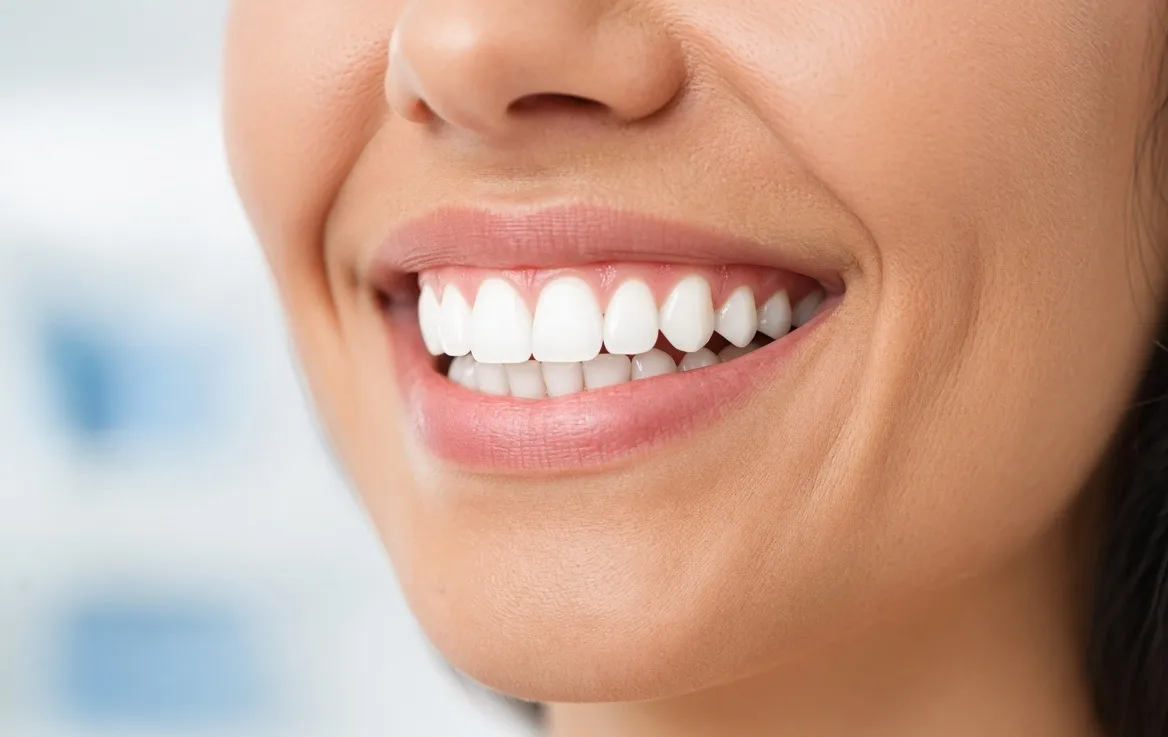

A diastema is a noticeable space between two teeth, most commonly the upper front teeth. While some gaps are simply a natural feature of a person's smile, others may develop because of changes in tooth position, gum health, tooth size, or oral habits. A gap can also become more noticeable over time. Understanding the underlying cause is important because the most suitable treatment depends on the patient's teeth, gums, bite, and overall oral health.
When Does a Tooth Gap Need Treatment?
Not every gap requires correction. Some people are comfortable with their natural smile and experience no functional problems. However, treatment may be considered when a diastema affects appearance, contributes to food becoming trapped between teeth, or is associated with changes in the gums. A new or widening gap should be evaluated by a dentist because it can sometimes indicate gum disease or movement of the supporting tissues around the teeth.
Cosmetic Bonding for Small Gaps
Dental bonding is one of the more conservative options for closing certain small spaces. During the procedure, tooth-colored composite material is carefully applied and shaped to improve the proportions of the teeth. The material is then hardened and polished to create a natural-looking finish. Bonding can often be completed relatively quickly and usually requires minimal alteration to the natural tooth structure. It may be particularly suitable when the gap is small, and the surrounding teeth are healthy.
Porcelain Veneers for a Refined Smile
Porcelain veneers can provide another option when a patient wants to address gaps while also improving the appearance of tooth shape, color, or minor imperfections. These thin, custom-made restorations are placed over the front surfaces of selected teeth. Veneers can create a balanced appearance by changing the visible proportions of the teeth. Because treatment involves careful planning and, in many cases, some preparation of the teeth, a professional evaluation is essential before choosing this approach.
Orthodontic Treatment for Tooth Position
When a gap results primarily from tooth positioning, orthodontic treatment may offer a more comprehensive solution. Traditional braces or clear aligners can gradually move teeth into more appropriate positions. Treatment is planned according to the patient's bite, spacing, tooth alignment, and overall dental development. Orthodontic correction can address the position of the teeth rather than simply covering the space, making it an important consideration for patients with multiple spacing or alignment concerns.
Clear Aligners and Modern Orthodontics
Clear aligners have become a popular orthodontic option for appropriate cases because they use a series of removable trays to guide teeth gradually. They can be less visually noticeable than traditional braces and may provide flexibility during eating and oral hygiene. However, aligners are not appropriate for every type of diastema. A dentist or orthodontic professional must determine whether the gap can be predictably corrected with aligner therapy based on the patient's individual dental condition.
Treating the Cause Behind the Gap
Closing a space without addressing its cause may not provide a lasting result. For example, gum disease can affect the tissues supporting the teeth and may contribute to tooth movement and spacing. In such situations, periodontal treatment should be considered before cosmetic or orthodontic correction. Similarly, habits such as persistent tongue pressure or certain oral behaviors may need attention. Identifying and managing contributing factors can help protect the results of treatment.
Addressing an Enlarged Frenum
In some patients, a prominent or unusually positioned labial frenum may contribute to a space between the upper front teeth. The frenum is the small fold of tissue connecting the inside of the upper lip with the gum. If it interferes with natural tooth positioning, a dentist may evaluate whether a procedure called a frenectomy is appropriate. When necessary, this treatment is generally considered as part of a broader plan rather than as a stand-alone solution for every diastema.
Restorative Options for Missing or Small Teeth
Sometimes a gap appears because a tooth is unusually small, underdeveloped, or missing altogether. In these situations, simply moving neighboring teeth may not create the most balanced result. Depending on the patient's age, oral health, bone condition, and bite, restorative treatment may include bonding, veneers, bridges, or other tooth-replacement options. The goal is to create appropriate tooth proportions while maintaining healthy function and a natural appearance.
Why a Dental Evaluation Matters
A professional examination is the first step toward selecting an appropriate diastema treatment. A dentist may assess the teeth, gums, bite, spacing pattern, and supporting structures before recommending treatment. Dental photographs, X-rays, or digital scans may also be used when necessary. This evaluation helps distinguish a harmless natural gap from spacing associated with gum disease, missing teeth, abnormal tooth development, or other concerns that require attention.
Maintaining Results After Gap Closure
Keeping teeth properly aligned after treatment is an important part of long-term care. Depending on the treatment used, a dentist may recommend a retainer or other method to help maintain tooth position. Good brushing, flossing, regular dental examinations, and professional cleanings also support healthy gums and teeth. Patients should follow personalized maintenance recommendations because teeth can naturally shift over time, particularly when retention is not maintained after orthodontic treatment.
Choosing the Right Approach for Your Smile
Modern dentistry offers several ways to manage diastema, from minimally invasive bonding to orthodontic treatment and restorative procedures. The best choice depends on why the gap exists, its size and location, the condition of the surrounding teeth and gums, and the patient's goals. Rather than choosing a treatment based only on appearance, a comprehensive dental assessment can help ensure that the selected solution supports both aesthetics and oral health. In more complex cases involving missing teeth or significant tooth damage, dental implant treatment may also be considered as part of a carefully planned restorative approach.






















Sign in to leave a comment.