
Understanding the diesel generator rental cost in India in 2026 requires more than asking a supplier for a daily or monthly figure. The actual amount can depend on generator capacity, rental duration, fuel, operator charges, transportation, installation, GST, equipment configuration, maintenance, site conditions, and seasonal demand.
Published supplier prices show just how wide the market can be. For example, one Delhi rental listing currently advertises rates beginning at ₹1,500 per day and publishes indicative figures of ₹1,500/day for 25 kVA, ₹2,500 for 62.5 kVA, ₹4,000 for 125 kVA, ₹7,000 for 250 kVA, and ₹12,000 for 500 kVA, with diesel charged separately. Another supplier's 2026 Guwahati guide quotes monthly ranges of roughly ₹45,000–70,000 for 125 kVA, ₹80,000–1.2 lakh for 250 kVA, and ₹1.6–2.2 lakh for 500 kVA, again showing how location and commercial terms can produce very different totals. These figures should be treated as supplier-published market examples rather than fixed national rates.

Why There Is No Single Rental Rate in India
Generator rental is not priced like a standardized utility tariff. The same kVA machine can receive different quotations depending on where it is required, how long it will remain on rent, whether it is open-frame or acoustic, how much fuel it will consume, and what services are included. A generator needed for one day at a city event can have a completely different cost structure from the same capacity rented for six months at an industrial facility. Short rentals usually carry a larger proportion of fixed mobilization costs, while longer contracts spread those costs across a greater number of days.
Seasonal demand also matters. Weddings, festivals, exhibitions, construction peaks, and emergency requirements can tighten the availability of certain generator sizes and configurations. An early quotation can therefore be easier to negotiate than a last-minute request when local fleet availability is limited. Aceget's current 2026 rental guide similarly notes that city, season, vendor, fleet age, and demand all influence pricing.
Capacity Is the Starting Point
Generator size has a direct effect on rental pricing, but choosing the correct capacity is even more important than finding the lowest rate. A 125 kVA generator and a 500 kVA generator are obviously different equipment classes, but even within a single capacity range, actual pricing can vary according to engine specification, age, configuration, acoustic enclosure, and service support.
The first step should be to calculate the real electrical requirement. Running load, motor-starting demand, power factor, future expansion, and critical-load priorities should all be considered before requesting quotes. Renting a machine that is much larger than necessary can increase rental, fuel, transport, and installation costs. Renting one that is too small can create reliability problems and may require an expensive last-minute replacement.
Rental Duration Changes the Effective Daily Cost
A one-day rental and a six-month rental should not be expected to have the same effective daily rate. For short-duration jobs, fixed costs such as delivery, pickup, setup, administration, and operator mobilization are concentrated into a very small number of rental days. With a longer contract, those costs are distributed across the entire rental period.
Aceget's September 2026 guide notes that longer commitments generally reduce the effective daily cost because suppliers incur fewer repeated logistics and fleet-turnaround costs. For a long project, ask for both the monthly rate and the effective daily rate. Also check whether the quoted rate changes after the original contract period.
Fuel May Become the Biggest Ongoing Expense
The generator rental charge is only part of the budget. Diesel can become a major recurring expense, especially when the generator operates for long hours. Fuel consumption depends on generator size, engine characteristics, load, maintenance condition, and operating environment. A correctly sized generator operating at an appropriate load can be more economical than a significantly oversized unit running lightly.
Most rental arrangements treat fuel separately from the base rental amount, although some suppliers offer fuel-inclusive packages. Aceget's current rental guide states that fuel is commonly billed separately or supplied by the renter. Before signing, confirm who supplies the diesel, how consumption is measured, whether there is a markup over the fuel price, and how refueling is handled.
Operator Charges Need Attention
For larger DG sets, an operator may be included in the quotation or billed separately. An operator may handle startup, basic monitoring, refueling coordination, shutdown procedures, and first-level operational checks. However, the quoted rate may apply only to a standard shift.
If your generator must operate overnight or for 18–24 hours a day, additional manpower or relief shifts may increase the total cost. The 2026 Aceget rental guide specifically recommends confirming included shift length and overtime treatment before booking.
Transportation and Mobilization Are Easy to Miss
Delivery and pickup can materially affect the final rental invoice. Distance, road access, generator size, vehicle requirements, lifting arrangements, and site accessibility can all influence mobilization costs. A generator sourced from a nearby depot may be cheaper to deploy than an identical machine transported from another city.
Ask whether the quotation includes both delivery and pickup. Also confirm whether positioning at the final site is included or billed separately. These charges become especially important for remote construction projects and event venues with restricted vehicle access.
Installation Is Part of the Real Cost
A generator does not become operational simply because it has arrived at the site. Depending on the application, the installation may require cables, distribution equipment, earthing, changeover arrangements, fuel connections, exhaust routing, ventilation, and suitable positioning.
Some rental companies include basic installation, while others quote equipment separately from electrical and site work. A useful comparison therefore starts with the “ready-to-run” cost rather than the bare generator rate.
Silent Generators Can Cost More
An acoustic or silent generator can command a premium over an open-frame unit of the same approximate capacity. This is especially relevant for weddings, events, film shoots, offices, hotels, residential-adjacent sites, and other locations where sound is important.
Aceget's current 2026 guide estimates that acoustically enclosed units can carry a meaningful premium over comparable non-silenced equipment. The decision should therefore be based on the site's noise requirements. Paying for a silent configuration makes little sense for a remote industrial site where sound is not a major concern, while choosing a noisy unit for a sound-sensitive event can create operational problems.
GST and Other Commercial Charges
The rental figure may be quoted before GST, so customers should confirm whether the advertised price is tax-inclusive or exclusive. A lower base rate can look attractive until tax and other charges are added. Security deposits, overtime, idle charges, additional cables, damage waivers, and special installation requirements can further change the final invoice.
Aceget's current guide also notes that GST treatment should be checked before comparing quotations side by side. The safest method is to request an itemized commercial proposal that clearly separates taxable and non-taxable amounts where applicable.
Maintenance During Long Rentals
For rentals lasting several weeks or months, routine servicing becomes part of the financial and operational picture. The contract should state who handles engine oil, filters, coolant, inspections, battery maintenance, and other scheduled service requirements.
A generator that remains on site for an extended period should not be allowed to continue operating indefinitely without proper servicing simply because it is rented rather than owned. The rental agreement should also clarify what happens if a major mechanical or electrical fault occurs during the rental period.
Idle, Standby, and Overtime Charges
Event and production schedules do not always go according to plan. A generator may remain on site even when work is delayed, a shoot is postponed, or an event runs late. Some providers have separate idle or standby charges, while others continue billing the full rental rate. Overtime may also apply when the generator operates beyond an agreed daily window.
These conditions should be discussed before signing. Aceget's current guide specifically identifies idle charges and extra operating hours as line items that customers should confirm in advance.
Location Has a Major Impact
Rental prices are not uniform across India. Metro markets can have deeper rental fleets and more competition, while smaller cities or remote locations may involve higher mobilization costs and fewer available units.
Fuel prices also differ between states because of variations in state-level taxes, adding another layer of regional variation. This means that a quotation received in Delhi cannot automatically be treated as the benchmark for a project in another part of India.
Equipment Condition Should Be Part of the Comparison
Two generators with identical kVA ratings may still provide different value. A well-maintained machine with a reliable maintenance history, modern controller, good cooling system, and strong service support may deserve a different price from an older machine with uncertain history.
Customers should ask about operating hours, previous servicing, current condition, included accessories, and breakdown support. A low rental rate is less useful if the generator spends part of the project unavailable for repair.
Emission-Control Considerations
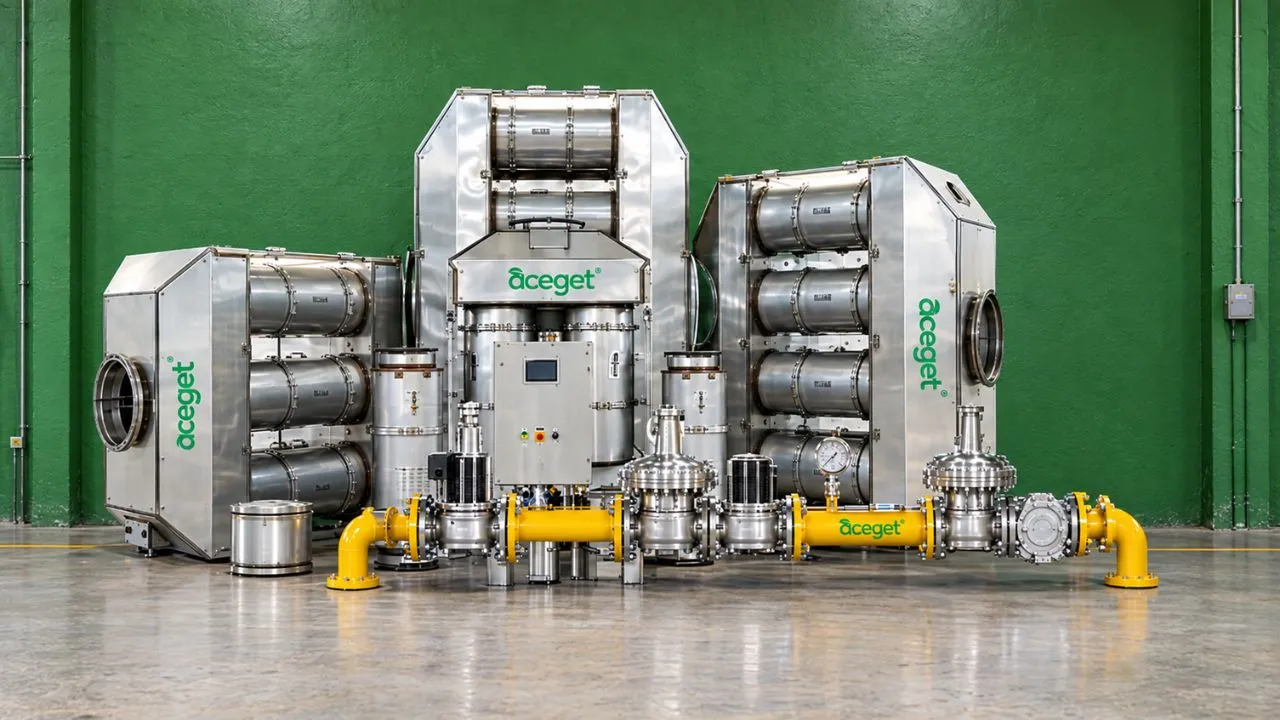
Environmental requirements can also influence the equipment selected for a rental project. CPCB's published material recognizes diesel generator sets across different power categories and sets out regulatory requirements relating to noise and air emissions. Where applicable to the particular generator and location, an emission-control system may form part of the overall rental configuration. If a RECD device as per CPCB norms is being considered, the customer should verify its technical suitability for the specific generator and application rather than relying only on a general marketing description.
For rented equipment, the contract should also clarify who is responsible for the RECD's installation, maintenance, servicing, and documentation. Current CPCB requirements and related directions should be verified directly with CPCB and, where relevant, the State Pollution Control Board, CAQM, or another competent authority before operation or modification. Product documentation, testing information, and applicable certification should be reviewed for the actual installation.
How to Compare Two Rental Quotes Properly
Suppose Supplier A offers a low monthly generator rate while charging separately for fuel, transportation, operator support, and installation. Supplier B offers a higher monthly figure but includes several of those services. Supplier A may look cheaper during the first conversation, but Supplier B could have the lower total project cost.
For a fair comparison, request each supplier to quote the same generator capacity, rental duration, fuel arrangement, operator coverage, transportation, installation, maintenance, taxes, and accessories. Once everything is placed into the same format, the real price difference becomes much easier to see.
Ways to Control Your Rental Cost
The most effective savings usually come from planning rather than aggressive negotiation. Choosing the right generator size avoids paying for unnecessary capacity. Booking early can improve availability during busy periods. Longer commitments may improve the effective daily rate. Clear fuel arrangements prevent surprises, while confirming delivery and pickup terms avoids unexpected logistics charges.
It can also be useful to negotiate extension rates before the initial rental starts, particularly for construction and infrastructure projects with uncertain completion dates.
Short-Term Versus Long-Term Rental
For a one-day event, fixed logistics and setup costs can represent a large part of the total rental bill. For a multi-month industrial or construction rental, fuel and ongoing servicing become more important because the initial mobilization cost is spread over many days.
This difference means that the same generator can have very different economics depending on rental duration. For long-term requirements, it can also be useful to compare the projected rental total against the economics of purchasing a generator outright.
What Should Be Included in the Final Quote?
Before signing, the customer should have a written quotation that identifies the generator capacity and configuration, rental period, fuel responsibility, operator terms, delivery and pickup, installation, maintenance, security deposit, GST treatment, overtime, standby charges, accessories, breakdown support, and extension conditions.
The more complete the quote, the easier it is to control the final cost. A verbal “all-inclusive” promise is much less useful than an itemized contract showing exactly what the customer is paying for.
Conclusion
Diesel generator rental pricing in India in 2026 varies considerably because the final cost is shaped by more than kVA capacity. Rental duration, fuel, operator support, mobilization, installation, acoustic configuration, maintenance, location, taxes, site conditions, and demand can all change the amount a customer ultimately pays. Current published market examples demonstrate this variation rather than establishing one universal rate. The most practical way to save money is to compare complete rental packages on an equal basis. Select the correct generator size, confirm every additional charge, understand fuel and manpower arrangements, and negotiate extension and emergency terms before the equipment arrives. A well-planned rental gives businesses access to dependable temporary power without unnecessary capital investment. The key is to calculate the full cost before signing, not simply choose the lowest number in the first quotation.
Frequently Asked Questions
What is the average diesel generator rental cost in India in 2026?
There is no single national average. Published 2026 supplier examples range from low daily rates for smaller units to substantially higher monthly charges for larger generators, with prices varying by city, capacity, duration, configuration, and inclusions.
Is diesel usually included in generator rental?
Often it is not. Many rental agreements charge fuel separately based on customer-supplied diesel or actual consumption. Confirm the arrangement before booking.
Does generator rental include an operator?
It depends on the supplier and contract. Some packages include an operator for a standard shift, while extended operating hours may require additional manpower charges.
Why do silent generators cost more to rent?
Acoustic enclosures and related equipment add cost, and silent units may be less widely available in some rental fleets. The premium depends on the supplier, capacity, and market conditions.
Can CPCB requirements affect generator rental costs?
Yes, where specific environmental or emission-control requirements apply to the generator and location. Verify current CPCB and other applicable requirements for the particular installation before operation.


























Sign in to leave a comment.