

Modern electrical systems require dependable switching and distribution equipment that can operate safely across demanding environments. Air-insulated solutions are widely used where clearances, accessibility, and straightforward maintenance are important. Low-voltage switchgear designed for higher voltage ratings can support efficient power distribution in commercial, industrial, infrastructure, and utility-related applications. Understanding practical uses helps engineers and facility teams select suitable equipment for different electrical arrangements. This use case article explores how these systems support power distribution, equipment protection, operational control, maintenance planning, and continuity across varied installations while meeting application-specific electrical requirements.
Power Distribution in Industrial Facilities
One of the primary applications of Air Insulated Switchgear is managing the distribution of electrical power within industrial facilities. Manufacturing plants, processing units, warehouses, and large production environments often have multiple electrical loads operating simultaneously.
Switchgear can help organize the flow of electricity between incoming supplies and different sections of a facility. It can also provide controlled switching and isolation when electrical equipment needs inspection or maintenance.
Common applications include:
- Distribution of electricity to production areas
- Switching between different electrical sections
- Isolation of equipment during maintenance
- Protection of connected circuits
- Management of large electrical loads
By creating an organized distribution arrangement, electrical teams can manage power more systematically and reduce unnecessary interruptions during routine operations.
Commercial Building Power Management
Commercial buildings require electrical systems capable of supporting lighting, air conditioning, elevators, office equipment, security systems, and other essential loads. Switchgear can be used to divide these loads into manageable electrical sections.
In large buildings, a properly planned distribution system helps electrical teams identify individual circuits and isolate specific areas when required. This can be particularly useful during maintenance activities because work can often be carried out on a selected section without unnecessarily affecting the entire facility.
Typical commercial applications include:
- Office buildings
- Shopping and commercial complexes
- Institutional facilities
- Large service buildings
- Multi-floor properties
The equipment selected for a building should be matched with its electrical demand, available space, operating conditions, and future expansion requirements.
Supporting Higher-Rated Low-Voltage Distribution
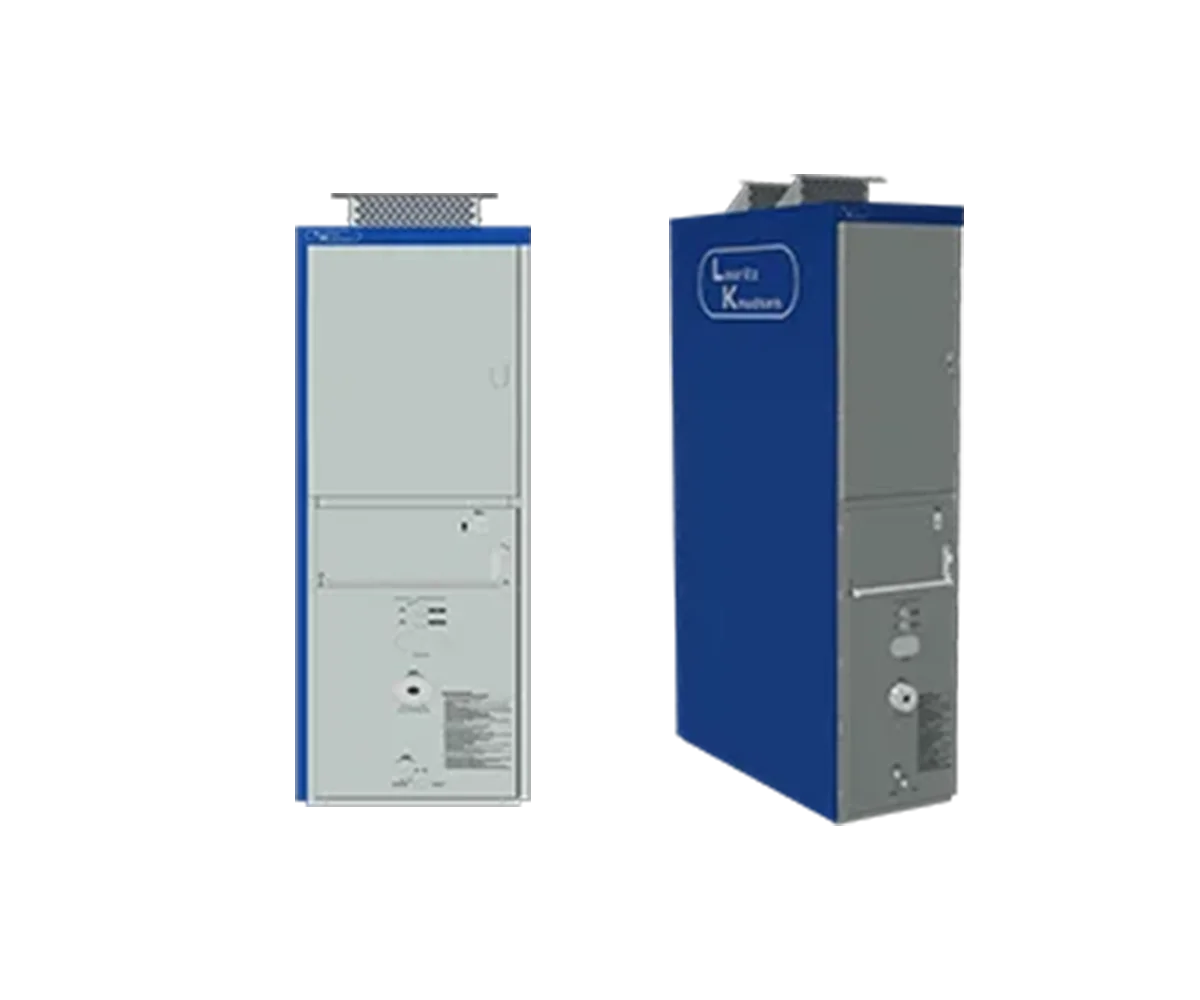
The 800VAC LV switchgear category can be useful in electrical installations where low-voltage distribution requires equipment designed around higher operating voltage levels within its specified application range.
Such systems can support the distribution of electrical power between incoming supplies, distribution sections, and connected loads. Their use can be considered in installations where electrical designers need a structured approach to switching, isolation, and circuit management.
Potential use cases include:
- Industrial distribution networks
- Large commercial installations
- Infrastructure facilities
- Electrical rooms
- High-load equipment sections
The exact selection depends on factors such as rated voltage, current, short-circuit requirements, environmental conditions, installation arrangement, and applicable electrical standards.
Electrical Isolation During Maintenance
Maintenance is an important part of every electrical installation. Equipment may occasionally need to be isolated so technicians can inspect connections, replace components, or perform scheduled servicing.
Switchgear provides a practical way to organize electrical isolation within a distribution system. Instead of treating an entire installation as one electrical section, different parts can be arranged and controlled according to the system design.
This use case is especially relevant for facilities where:
- Regular electrical inspections are required
- Multiple distribution sections operate independently
- Maintenance activities are scheduled frequently
- Electrical equipment needs controlled isolation
- Downtime needs to be managed carefully
Proper isolation procedures should always be followed by qualified personnel according to the equipment design and applicable safety requirements.
Infrastructure and Utility-Related Installations
Infrastructure projects can involve substantial electrical distribution requirements. Transportation facilities, public infrastructure, water-related facilities, and other large installations may require equipment capable of handling organized power distribution across multiple sections.
Air-insulated arrangements can be considered where the installation requires accessible equipment, appropriate electrical clearances, and a practical configuration for operation and maintenance.
In these environments, switchgear may help with:
- Incoming power management
- Sectional distribution
- Electrical isolation
- Load management
- Maintenance coordination
The final configuration depends on the project's electrical architecture and the characteristics of the connected loads.
Supporting Equipment Protection
Another important use is supporting protection within an electrical distribution arrangement. Electrical systems can experience abnormal conditions, including excessive current or short-circuit events. Protective devices and switching equipment can work together to help limit the impact of such conditions.
The purpose is not simply to distribute power but also to create an organized system in which faults can be identified and affected sections can be appropriately isolated.
A protection-oriented arrangement may include:
- Circuit Protection
Protective devices can help respond to abnormal electrical conditions according to their ratings and characteristics.
- Controlled Isolation
Switching arrangements can allow selected sections to be disconnected when required.
- System Coordination
Protection settings and equipment ratings should be coordinated so that the electrical system operates according to its intended design.
Manufacturing and Production Applications
Manufacturing facilities often contain motors, machines, control equipment, lighting systems, and other electrical loads. These loads may operate at different times and have different power requirements.
Switchgear can provide a structured distribution point for these systems. Electrical teams can organize different production areas into suitable circuits and distribution sections.
For example, a facility may separate:
- Production machinery
- Material-handling equipment
- Lighting
- Auxiliary systems
- Building services
This arrangement can make electrical maintenance and operational control more systematic while supporting the facility's overall power distribution strategy.
Renewable and Modern Power Installations
Modern electrical infrastructure increasingly involves different forms of power generation and distribution. Depending on the system architecture, switchgear can be incorporated into installations where electricity needs to be distributed, isolated, or controlled between different sections.
The 800VAC LV switchgear arrangement may be considered for suitable applications where the voltage and current requirements fall within the equipment's specified ratings.
Before selection, engineers generally consider:
- Voltage requirements
- Continuous current
- Fault levels
- Environmental conditions
- Available installation space
- Future capacity requirements
This planning helps ensure that the selected equipment is appropriate for the intended electrical system.
Improving Electrical System Organization
A well-organized switchgear system can make a complex electrical installation easier to operate and maintain. Instead of having electrical connections distributed without a clear structure, equipment can be arranged into defined sections.
This can provide practical benefits such as:
- Easier identification of circuits
- Better organization of electrical distribution
- More structured maintenance procedures
- Controlled isolation of selected sections
- Greater flexibility during system expansion
The design should always consider the complete electrical network rather than focusing on one component independently.
Planning for Future Expansion
Electrical demand can change as facilities expand. New machinery, additional floors, production lines, or infrastructure systems may increase the required electrical capacity.
A switchgear arrangement can therefore be selected with future requirements in mind. Engineers may consider spare capacity, physical space, circuit arrangements, and compatibility with planned expansion.
Using equipment that matches both present and anticipated requirements can help avoid unnecessary redesign when additional electrical loads are introduced.

Key Factors Before Selecting Switchgear
Different applications require different equipment configurations. Before selecting a suitable solution, technical teams should evaluate:
- Rated voltage and current
- Short-circuit withstand requirements
- Number of outgoing circuits
- Installation environment
- Available space
- Maintenance requirements
- Protection coordination
- Future expansion plans
- Applicable electrical standards
These factors help ensure that the selected arrangement is appropriate for the intended application rather than being chosen only on the basis of voltage rating or physical size.
Conclusion
Lauritz Knudsen Electrical & Automation brings a long-standing presence to India's electrical industry, supported by a manufacturing footprint of 2.1 million sq. ft. and a legacy spanning over 70 years. Its electrical solutions serve residential, agricultural, commercial, infrastructural, and industrial sectors. The practical uses discussed above demonstrate how properly selected switchgear can support distribution, protection, isolation, maintenance, and future expansion. For every installation, equipment selection should consider electrical ratings, operating conditions, safety requirements, and system design. Such careful planning helps create structured electrical networks suited to changing operational demands and applications.






















Sign in to leave a comment.