Digital Authentication for Safer Products and Stronger Brand Trust

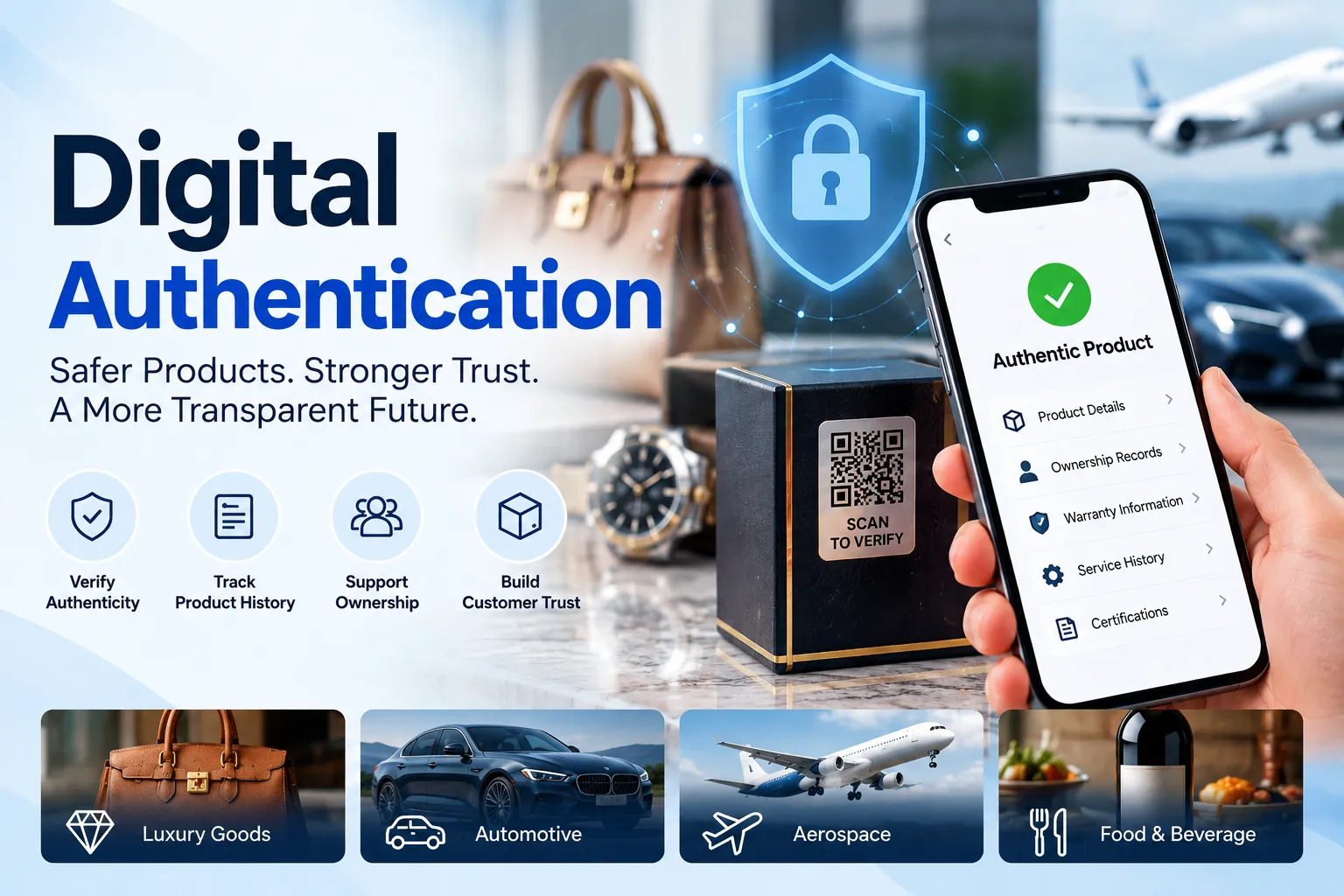
In a digital-first marketplace, customers want more than a product that looks genuine. They want confidence that what they are buying is authentic, traceable, and connected to a trusted brand. This is where digital authentication is becoming an important part of modern product protection.
Brands across luxury goods, automotive, aerospace, food and beverage, and other industries are looking for better ways to verify products and protect customers from counterfeit goods. Digital authentication provides a way to connect physical products with secure digital information, making verification easier and more transparent.
What Is Digital Authentication
Digital authentication is the process of using technology to verify that a product, identity, record, or digital credential is genuine.
For products, this can involve technologies such as QR codes, NFC tags, unique digital identities, encrypted identifiers, blockchain records, and digital certificates. Instead of depending only on packaging, labels, or paperwork, businesses can provide customers with a digital way to check product information.
A customer may scan a QR code or tap an NFC-enabled product with a smartphone. The system can then verify the associated digital record and provide relevant information about the product.
This creates a more convenient authentication experience while giving brands better control over product information.
Why Digital Authentication Matters for Brands
Counterfeit products can affect more than sales. They can damage a company's reputation, reduce customer confidence, and make it difficult for brands to understand where unauthorized products are entering the market.
Digital authentication can help address these challenges by giving every product a verifiable digital identity.
With the right system, brands can:
- Verify product authenticity
- Create unique digital identities
- Improve product traceability
- Give customers easier verification
- Monitor product activity
- Support ownership tracking
- Strengthen brand protection
Build greater customer confidence
QED Vault, for example, connects physical products with digital records and uses blockchain-based infrastructure to support authenticity and product tracking. QED Vault
How Digital Authentication Works
The process can vary depending on the product and industry, but a typical authentication journey can follow a few simple steps.
1. Create a Digital Product Identity
The first step is assigning a unique digital identity to a product. This identity can be connected to information such as product details, manufacturing records, certifications, ownership, warranty information, or service history.
2. Connect the Physical Product
The digital identity can be connected to the physical product through a QR code, NFC tag, serialized identifier, or another authentication method.
This connection makes it possible for the physical product and its digital record to be verified together.
3. Verify the Product
When a customer or authorized party wants to check authenticity, they can interact with the product's digital identifier.
Depending on the implementation, this could involve scanning a QR code or tapping an NFC tag with a smartphone.
4. Access Trusted Information
After verification, the system can provide relevant product information. This could include authenticity status, product history, ownership information, warranty details, or certification records.
QED Vault's platform supports customer verification through digital product records and QR or NFC-based interactions. QED Vault
Digital Authentication and Blockchain
Blockchain can add another layer of trust to digital authentication.
A blockchain-based system can create a secure record of product information and relevant transactions. Because blockchain records are designed to be resistant to unauthorized changes, they can help businesses create stronger evidence around product authenticity and history.
For example, a brand could create a digital record for a product during manufacturing and connect that record to its unique product identity. Later, ownership changes, service activity, or authentication events can be associated with that product.
QED Vault describes its platform as using private blockchain infrastructure where authorized parties can mint product tokens and maintain product records. QED Vault
Digital Authentication for Luxury Brands
Luxury products are particularly vulnerable to counterfeiting because of their high value and strong resale markets.
A digital authentication system can help luxury brands give customers and authorized resellers a convenient way to verify products.
For example, a luxury watch, handbag, collectible, or fashion product can have a unique digital identity. When the product is scanned or tapped, the user can access its authentication information.
This can become even more useful in the secondary market, where buyers may need additional confidence before purchasing a pre-owned product.
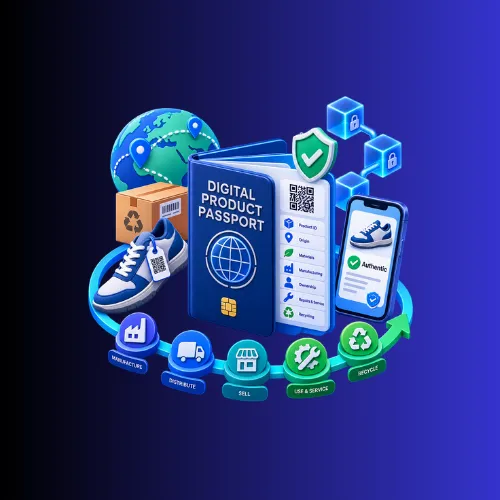
QED Vault was developed partly around the challenge of maintaining product visibility after products leave the original point of sale, with its Digital Product Passport connecting physical products to digital records. QED Vault
Digital Authentication for Automotive Products
Counterfeit automotive parts can create serious safety and quality concerns.
Digital authentication can help manufacturers and suppliers connect individual components with verified digital information. This can support product identification, recalls, service records, and supply-chain visibility.
A mechanic, distributor, or customer could potentially verify whether a component is associated with an authorized manufacturer before using it.
For industries where product safety and traceability matter, having a reliable digital identity can provide an additional layer of confidence.
Digital Authentication and Customer Trust
One of the biggest advantages of digital authentication is that it brings verification closer to the customer.
Instead of asking customers to rely entirely on packaging or a seller's claims, brands can provide a direct method for checking product authenticity.
A simple verification experience can help customers feel more confident about their purchases.
It can also turn authentication into a customer engagement opportunity. After verification, brands can provide useful product information, warranty details, service options, or other relevant experiences.
Digital Authentication Beyond Counterfeit Protection
Although counterfeit prevention is a major use case, digital authentication can support much more than simply identifying fake products.
A connected digital product identity can potentially support:
Ownership management
Brands can maintain records associated with ownership changes.
Warranty management
Warranty information can be connected to a product's digital identity.
Service history
Authorized service events can become part of a product's lifecycle record.
Product traceability
Brands can gain better visibility into product journeys.
Certification
Digital certificates and testing information can be connected with product records. QED Vault, for example, supports embedding third-party laboratory certifications into a Digital Product Passport. QED Vault
Choosing the Right Digital Authentication Solution
Every business has different authentication requirements. A luxury brand may need NFC-based verification and ownership tracking, while an automotive manufacturer may prioritize serial numbers, traceability, and recall management.
Before choosing a solution, businesses should consider:
- How will products receive their digital identities?
- How will customers verify authenticity?
- Can the system support QR and NFC technologies?
- How secure are the digital records?
- Can the solution scale with product volume?
- Can product information be updated throughout its lifecycle?
- Can the system integrate with existing business processes?
Can brands access useful authentication and product data?
A solution should not only verify products but also fit naturally into the brand's existing customer and operational experience.
The Future of Digital Authentication
As products become increasingly connected to digital identities, authentication will become an important part of the product lifecycle.
Customers are becoming more comfortable using smartphones to access information, while businesses are looking for better ways to protect their products and understand their journeys.
Technologies such as blockchain, NFC, QR codes, AI, and Digital Product Passports can work together to create more transparent product ecosystems.
For brands, the goal is not simply to identify counterfeit products. It is to create a trusted connection between the product, the brand, and the customer.
Final Thoughts
Digital authentication gives businesses a modern way to verify products, protect their brands, and create greater customer confidence. By connecting physical products with secure digital identities, brands can make authenticity easier to verify while gaining better visibility into product journeys.
For businesses dealing with high-value or frequently counterfeited products, digital authentication can become an important part of a broader brand protection strategy.
QED Vault combines product authentication, digital identities, blockchain-backed records, and product tracking to help brands create verifiable product experiences. QED Vault
FAQs About Digital Authentication
What is digital authentication?
Digital authentication is the process of using digital technologies to verify that a product, identity, record, or credential is genuine.
How does digital authentication help prevent counterfeiting?
It gives products unique digital identities that can be checked against trusted records, helping customers and businesses identify whether a product is genuine.
Can QR codes be used for digital authentication?
Yes. QR codes can connect a physical product to a digital record that customers can access using a smartphone.
Can NFC be used for product authentication?
Yes. NFC tags can provide a convenient tap-based verification experience for compatible smartphones.
Is blockchain useful for digital authentication?
Blockchain can provide secure, traceable records that help establish trusted product histories and authentication information.
Can digital authentication support product ownership?
Yes. Depending on the platform, product identities can be connected with ownership changes and lifecycle information.
Why should brands invest in digital authentication?
It can help protect brand reputation, improve product transparency, reduce counterfeit risks, and give customers a more convenient way to verify products.



Sign in to leave a comment.