

Aircraft maintenance depends on accurate testing equipment to verify that critical systems perform as intended. Among these systems, the pitot-static system plays an important role because it supplies pressure information used by instruments such as the airspeed indicator, altimeter, and vertical speed indicator. For maintenance teams, using reliable testing equipment is essential for identifying leaks, pressure abnormalities, and other issues before an aircraft returns to service.
One increasingly relevant solution is the digital pitot-static tester, which provides technicians with a controlled method for testing aircraft pressure systems and supporting accurate maintenance procedures.
What Is a Digital Pitot-Static Tester?
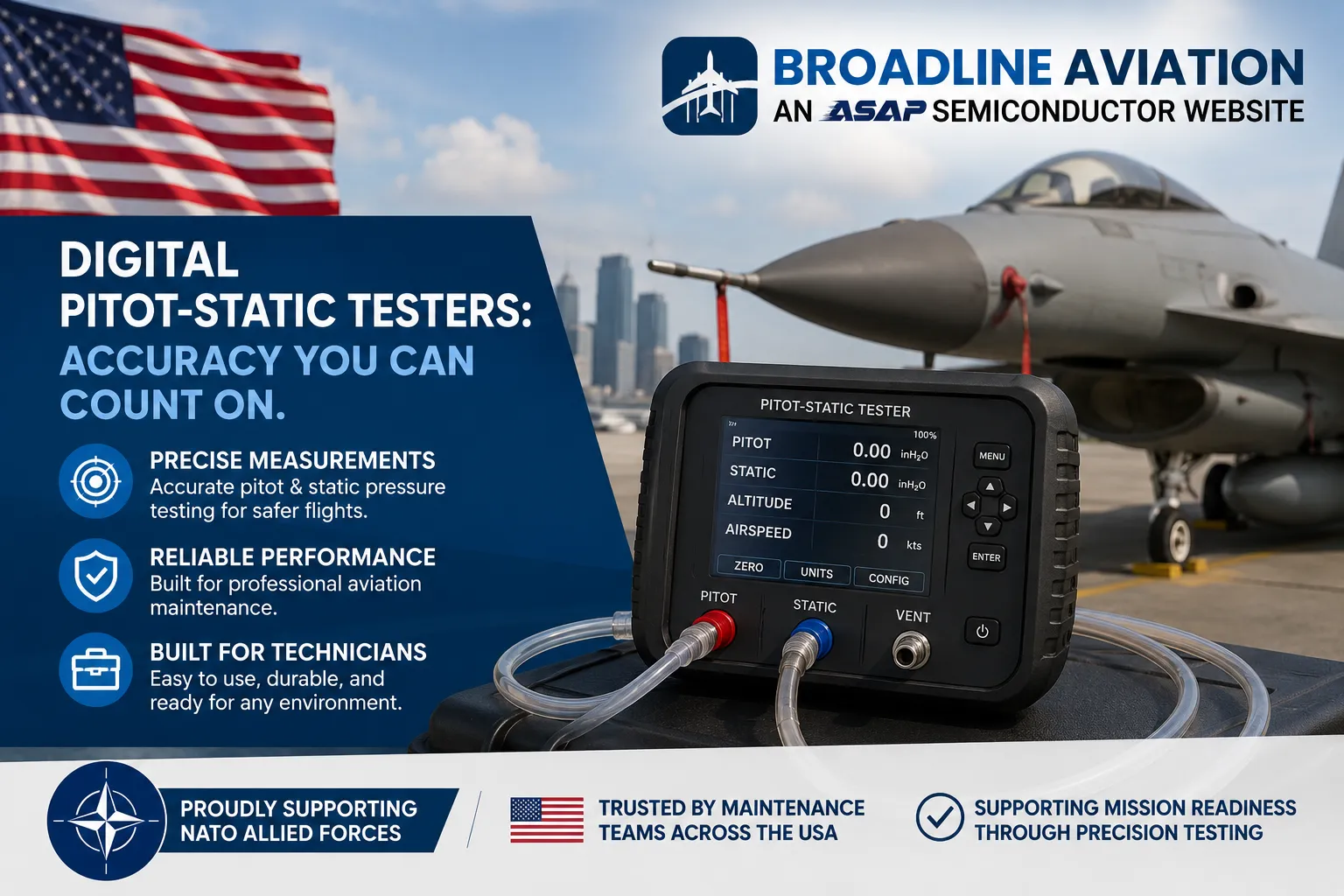
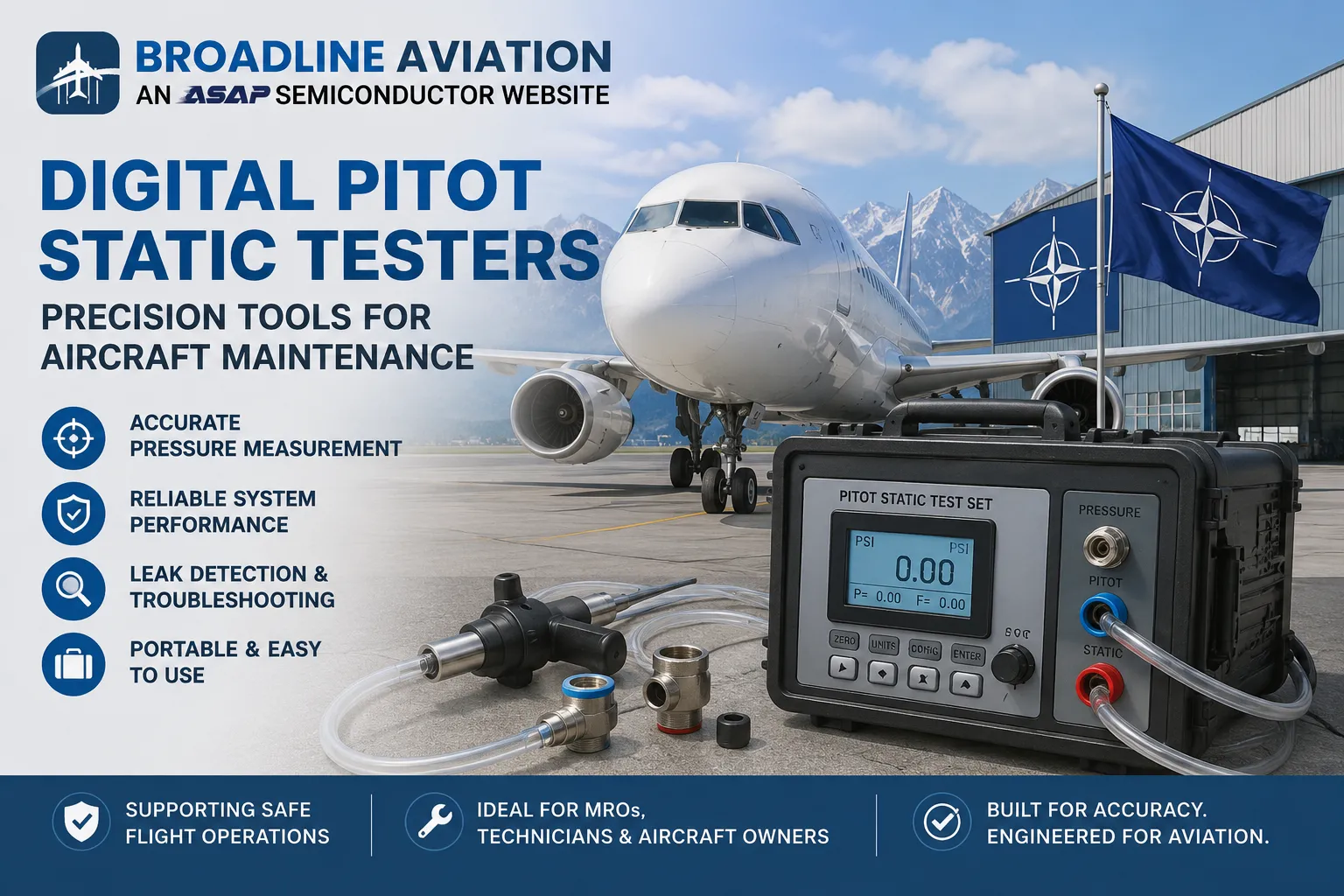
A digital pitot-static tester is an aircraft ground-support and maintenance instrument designed to simulate pressure conditions and evaluate the performance of pitot-static systems. Modern test sets can provide precise pressure control and digital readings, helping technicians assess system performance more efficiently.
The FAA explains that aircraft pitot-static systems must be tested for leaks after component installation or when a malfunction is suspected. IFR aircraft are also subject to periodic testing requirements under applicable regulations.
Digital test equipment can therefore be particularly useful for aviation maintenance organizations, MRO facilities, repair stations, and technicians working with aircraft instrumentation.
Why Pitot-Static Testing Matters
The pitot-static system provides pressure information required by several important flight instruments. The pitot system measures total pressure, while static ports provide ambient atmospheric pressure. The difference between these pressures helps the airspeed indicator determine indicated airspeed, while static pressure supports altitude and vertical-speed indications.
A blockage, leak, moisture intrusion, or improperly installed component can produce inaccurate indications. For this reason, maintenance personnel must follow the applicable aircraft maintenance manual, approved procedures, and equipment manufacturer's instructions when performing tests.
The FAA also emphasizes that pressure and suction should be applied and released slowly during pitot-static testing to prevent damage to aircraft instruments.
Advantages of Digital Testing Equipment
Compared with traditional analog equipment, digital pitot-static testers can make pressure readings easier to interpret and monitor. Depending on the specific model, professional test equipment may support controlled pressure generation, digital displays, multiple pressure parameters, and troubleshooting functions.
Key benefits may include:
- Precise pressure measurement: Digital displays can make readings easier to observe during testing.
- Efficient troubleshooting: Technicians can use controlled pressure conditions to investigate suspected system problems.
- Improved documentation: Digital test results can support maintenance records and inspection workflows when the equipment provides applicable recording capabilities.
- Versatility: Professional air-data test equipment may be suitable for different aircraft maintenance and avionics applications.
- Reduced interpretation errors: Clear digital measurements can simplify monitoring compared with manually interpreting analog gauges.
However, equipment capabilities vary significantly, so maintenance organizations should select test equipment according to aircraft requirements, applicable specifications, pressure ranges, and approved procedures.
Selecting Aircraft Components and Testing Equipment
Finding the correct aircraft component is just as important as selecting appropriate testing equipment. Aviation procurement teams typically need to consider part numbers, OEM information, technical specifications, availability, lead times, and documentation before purchasing.
Broadline Aviation provides a dedicated Tester Pitot Static Digital category containing products such as DPS350 and DPS450, with Barfield Instruments identified among the listed manufacturers. The company also provides an RFQ process for customers seeking specific part numbers.
For broader sourcing requirements, aviation professionals can also explore aircraft components covering different categories and applications. This can help procurement teams consolidate sourcing requirements while evaluating parts according to their specific technical and operational needs.
Best Practices for Maintenance Teams
A reliable testing process begins with the correct equipment and approved procedures. Technicians should verify equipment suitability, inspect hoses and adapters, follow the aircraft maintenance documentation, and avoid applying pressure beyond specified limits.
The FAA notes that pitot-static leak checks and accuracy tests are distinct activities, and certain inspections may require appropriately authorized personnel or certified repair facilities.
Therefore, digital technology should complement—not replace—qualified personnel, manufacturer instructions, regulatory requirements, and established maintenance practices.
Conclusion
Digital pitot-static testers are valuable tools for modern aircraft maintenance because they help technicians evaluate pressure systems in a controlled and measurable manner. Accurate testing supports reliable flight-instrument performance and can help maintenance organizations identify potential leaks or system problems before they become operational concerns.
For aviation procurement professionals searching for digital pitot-static testers, aircraft components, and related sourcing support, working with an established aviation parts supplier can simplify the process of identifying suitable products and requesting quotations.



























Sign in to leave a comment.