

The best dining room rugs match your interior style while withstanding heavy foot traffic and spills. Choose geometric, low-pile options for modern spaces, intricate Handmade Rugs in India for traditional rooms, and muted, distressed patterns for transitional designs. Always ensure the rug extends at least 24 inches beyond your table on all sides.
A well-chosen rug anchors your dining space. It defines the room, dampens sound, and adds a layer of comfort underfoot. But finding the right piece requires balancing aesthetics with everyday practicality.
When you buy rugs for this specific area, you must account for moving chairs, dropped food, and high foot traffic. A fluffy white rug might look stunning in a catalog, but it will quickly become a nightmare under a busy family dining table.
This guide breaks down exactly how to select dining room rugs that fit your home’s aesthetic. Whether your space leans modern, traditional, or somewhere in between, you will find actionable advice to make the right choice.
How do you define your interior style?
Before you look at materials or sizes, you need to identify your home's core aesthetic.
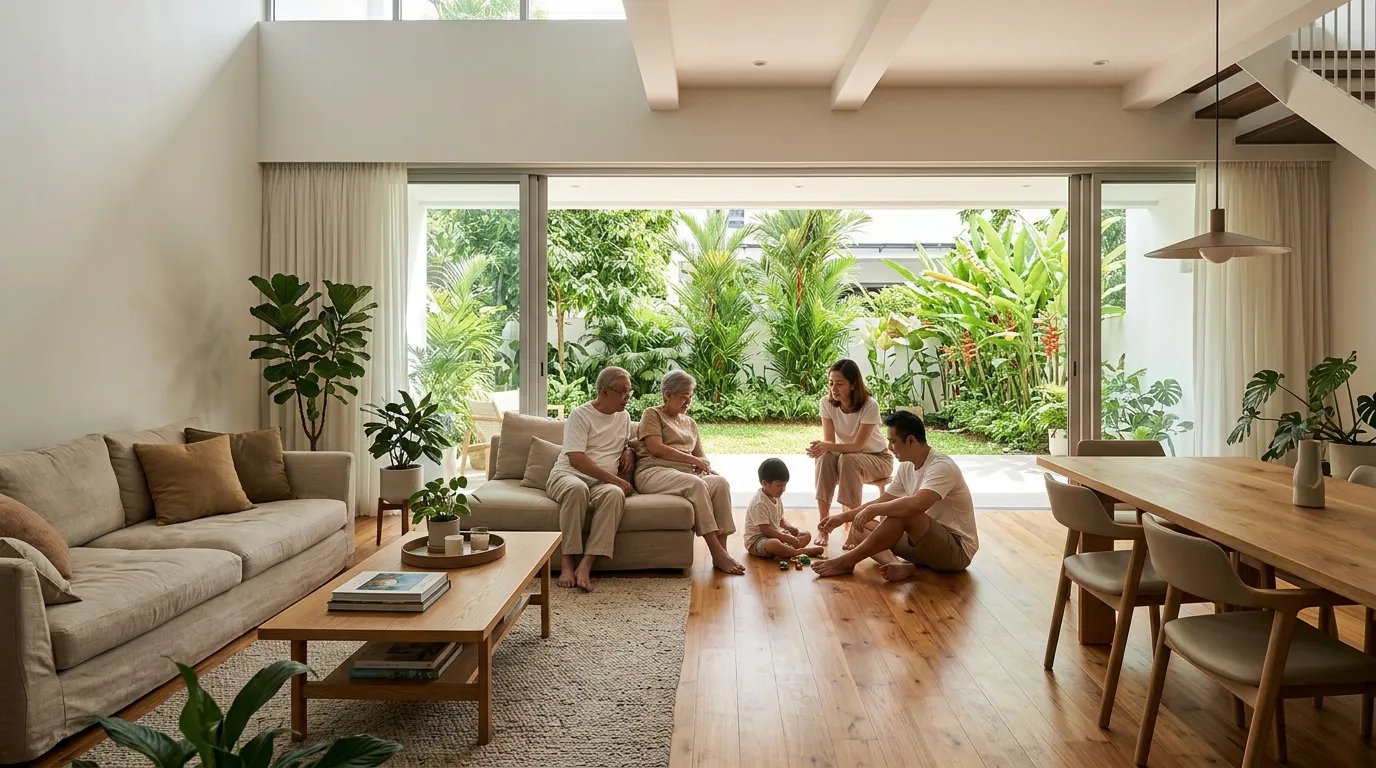
Modern interiors prioritize clean lines, minimal clutter, and neutral color palettes. They favor function and simplicity. Traditional interiors draw inspiration from 18th- and 19th-century European decor. They feature ornate details, rich colors, and classic motifs. Transitional interiors sit right in the middle. They combine the comfortable, sleek lines of modern design with the warmth and familiar patterns of traditional styling.
Choose a rug that complements your specific category. A mismatch here will make your dining room feel disjointed.
What are the key considerations for dining room rugs?
Function matters just as much as form. Keep these three core principles in mind before making a purchase.
What size rug do you need for a dining room?
Always buy rugs that extend at least 24 to 30 inches beyond the edges of your dining table. This provides enough space for guests to pull out their chairs without the legs catching on the edge of the rug. For a standard dining table that seats six, a 8x10 foot or 9x12 foot rug usually works best. Match the shape of the rug to the shape of the room or the table—use round rugs for round tables, and rectangular rugs for long tables.
Which materials work best under dining tables?
Dining areas face spills, crumbs, and constant friction from chair legs. Choose durable, easy-to-clean materials. Wool stands out as the premier choice. It naturally repels stains and handles heavy traffic exceptionally well. Flatweave cotton or synthetic blends like polypropylene also offer great durability and easy maintenance. Avoid high-pile rugs or delicate materials like viscose, which trap crumbs and stain easily.
How do you pick the right color and pattern?
Patterns hide stains better than solid colors. If you host frequent dinner parties or have young children, opt for a rug with an intricate design or darker tones. Deep blues, rich reds, and earthy greens conceal wear and tear. If your room features heavy wallpaper or bold upholstery, choose a more subdued rug to avoid visual clutter.
What are the best rug ideas for modern interiors?
Modern design thrives on restraint. Your rug should enhance the room's sleek aesthetic without overwhelming it.
Which rugs create a sleek, contemporary look?
Choose dining room rugs with geometric patterns, abstract designs, or solid, muted tones. Cool grays, stark whites, and stark blacks fit perfectly into modern spaces. A low-pile or flatweave construction maintains the clean, unbroken lines that define contemporary architecture.
How should you buy rugs for modern spaces?
When you buy rugs for a modern home, focus on texture over complex patterns. A subtle tonal variation in a hand-tufted wool rug adds depth to a minimalist room. Choose X (a solid color flatweave) if you want the furniture to stand out, or choose Y (a bold geometric print) if you want the floor to act as the room's primary art piece.
How do traditional dining room rugs add character?
Traditional dining rooms require rugs that carry a sense of history and craftsmanship. These spaces welcome complex patterns and rich color palettes.
What rug ideas fit a refined traditional aesthetic?
Persian-style and Oriental patterns look exceptional in traditional dining rooms. Look for intricate floral motifs, detailed borders, and classic medallions. Deep burgundy, navy blue, and warm gold tones pair beautifully with heavy wood dining tables and classic upholstered chairs.
Why choose Handmade Rugs in India for heritage styling?
If you want authentic traditional styling, look to the artisans of Bhadohi. As South Asia's largest hub of hand-knotted carpet weaving, this region produces some of the world's finest floor coverings. Brands like The Ambiente, backed by over 30 years of expertise and a network of 4,000 women weavers, create Handmade Rugs in India that offer unmatched durability and heritage. These pieces are not just floor coverings; they act as heirlooms that anchor your traditional dining room with genuine craftsmanship.
How do transitional rugs blend two styles?
Transitional design offers the best of both worlds. It updates classic patterns for the modern era.
What are the top rug ideas for a balanced transitional style?
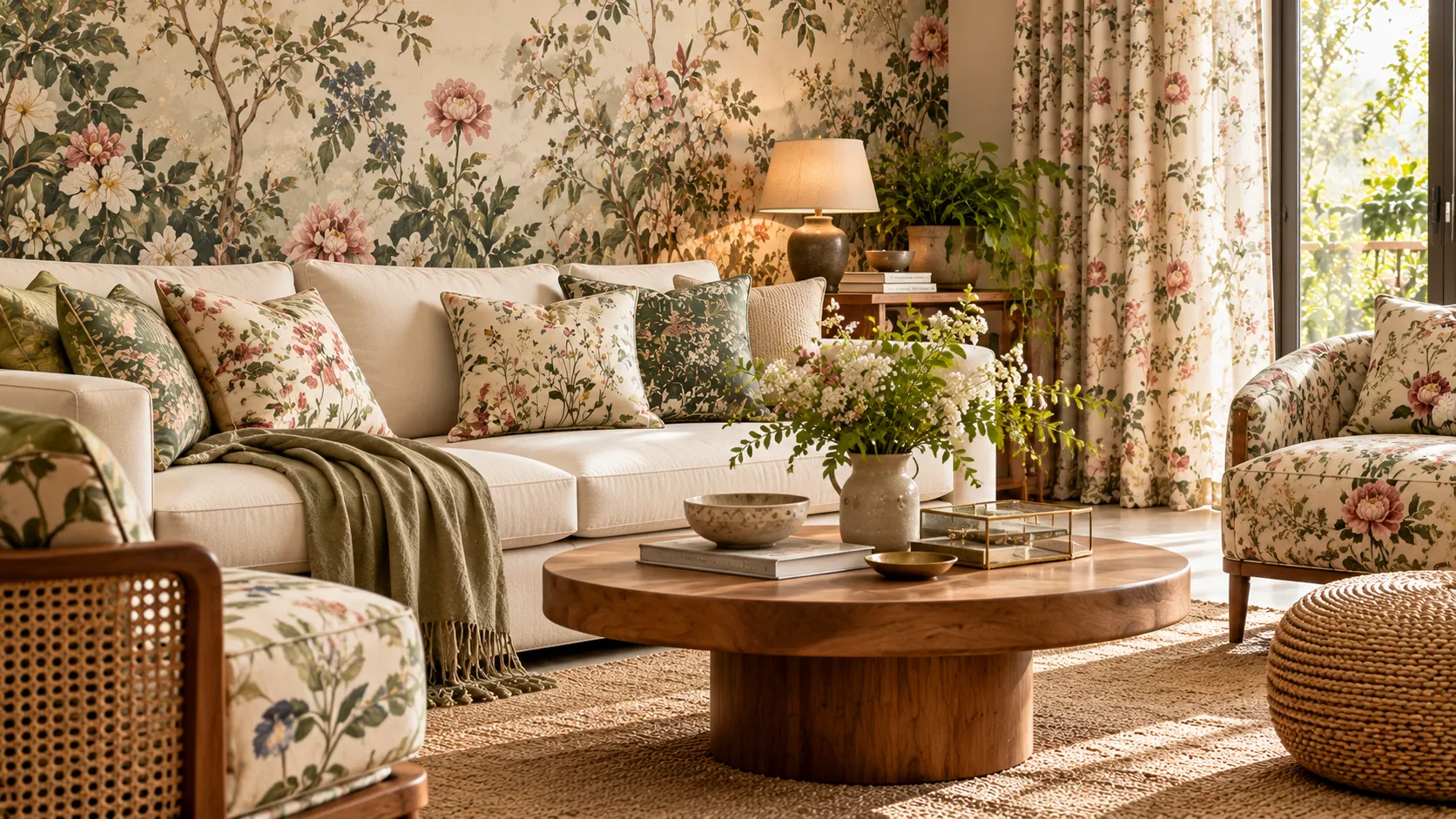
Look for "erased" or distressed traditional patterns. These rugs feature classic motifs, but the colors are faded or the lines are intentionally blurred. This softens the formal look of a traditional rug, making it fit seamlessly with modern dining chairs and fixtures. Tone-on-tone patterns and neutral color palettes—like soft blues, warm taupes, and light grays—work best in transitional spaces.
How do you clean and maintain dining room rugs?
Proper maintenance extends the life of your rug significantly.
- Vacuum regularly: Vacuum your dining room rug at least once a week without the beater bar engaged to prevent pulling the fibers.
- Rotate the rug: Turn the rug 180 degrees every six months. This ensures even wear from foot traffic and fading from sunlight.
- Act fast on spills: Blot spills immediately with a clean, dry cloth. Never rub the stain, as this pushes the liquid deeper into the fibers.
- Hire professionals: Have your wool or Handmade Rugs in India professionally cleaned every one to two years.
Finding Your Perfect Dining Room Rug
Selecting the right rug transforms your dining space from a simple eating area into a cohesive, inviting room. Identify your interior style first. Then, measure your space carefully to ensure chairs have plenty of room to slide. Finally, select a durable material like wool that can handle the reality of daily meals. By following these straightforward steps, you can confidently buy rugs that look beautiful and perform perfectly for years to come.
Frequently Asked Questions
What size rug do I need for a 6-person dining table?
You generally need an 8x10 foot or 9x12 foot rug for a standard 6-person dining table. The rug must extend at least 24 inches past all sides of the table to allow chairs to slide out without catching the edge.
Are Handmade Rugs in India good for dining rooms?
Yes, hand-knotted wool rugs from India are exceptionally durable and ideal for dining rooms. They naturally resist stains, handle heavy foot traffic well, and offer detailed patterns that easily hide minor spills and crumbs.
Should my dining room rug match my living room rug?
Your rugs do not need to match exactly, but they should coordinate if the spaces are open to one another. Choose rugs that share a similar color palette or design style (e.g., both modern or both traditional) to create a cohesive flow throughout your home.
Can I put a thick, high-pile rug in a dining room?
Avoid high-pile or shag rugs in the dining room. They trap food crumbs, make it difficult to slide chairs in and out, and are much harder to clean after spills. Stick to low-pile or flatweave options.
























Sign in to leave a comment.