

The human body is designed for movement. Every day, we bend, walk, reach, sit, lift, and rotate without giving much thought to how many muscles, joints, and connective tissues work together to make these actions possible. When certain areas become tight or restricted, everyday movements can gradually feel less comfortable.
Limited flexibility may develop from prolonged sitting, repetitive activities, intense exercise, poor movement habits, or simply not moving enough throughout the day. Instead of treating flexibility as something important only for athletes, it can be viewed as an essential part of maintaining comfortable and functional movement.
Stretch-focused approaches can help people become more aware of areas that feel restricted while supporting a more balanced approach to mobility.
Exploring the Benefits of Stretch Therapy
Stretch therapy involves guided stretching techniques designed to address flexibility, mobility, and movement limitations. Depending on an individual's needs, stretching may focus on muscles, surrounding connective tissues, or specific movement patterns.
One of the notable benefits of stretch therapy is its potential to improve flexibility when stretching is performed consistently and appropriately. Better flexibility can make everyday movements feel smoother and may help people perform physical activities with greater ease.
Stretching may also support:
Improved range of motion
Greater awareness of body positioning
Reduced feelings of muscular tightness
More comfortable movement patterns
Better preparation for physical activity
Support for mobility during rehabilitation
Improved relaxation after physically demanding activities
The appropriate stretching approach varies from person to person. A program should consider current flexibility, activity level, previous injuries, and individual movement goals rather than relying on the same routine for everyone.
How Stretching Can Influence Mobility
Mobility and flexibility are related but are not exactly the same. Flexibility generally describes how much a muscle or tissue can lengthen, while mobility involves the ability to actively control movement through an available range.
For example, someone may have reasonable flexibility in a particular joint but still struggle to move comfortably because of weakness, coordination issues, or limited control.
A thoughtful stretching routine can therefore be one component of a broader mobility strategy. When combined with appropriate strengthening and movement exercises, it may help individuals develop more confident and controlled movement.
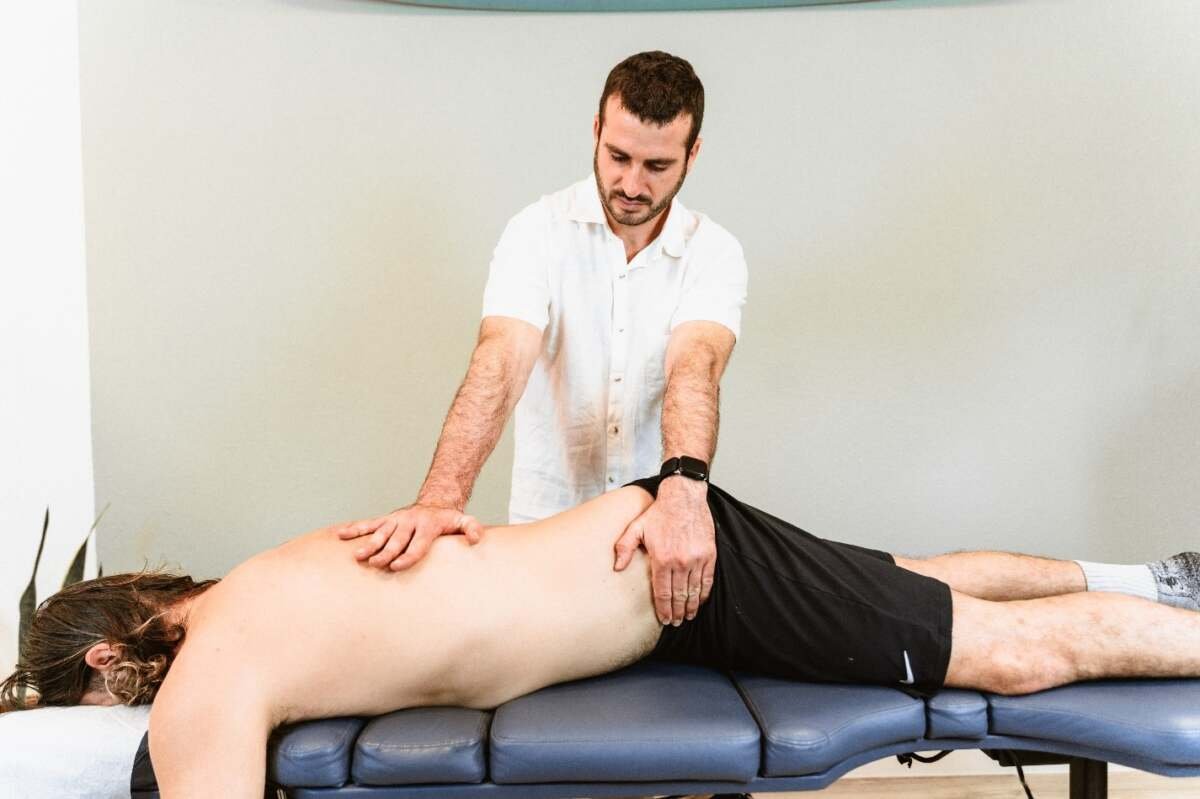
Understanding Rotating Vertebrae and Spinal Motion
The spine is not a single rigid structure. It consists of multiple vertebrae connected through joints, discs, ligaments, and surrounding muscles. These structures work together to allow movements such as bending, extension, and rotation.
The phrase rotating vertebrae can sometimes create the impression that individual spinal bones freely twist independently. In reality, spinal rotation is produced through coordinated movement among multiple segments and surrounding tissues. The amount of rotation available also differs between regions of the spine.
The thoracic region, for example, contributes substantially to trunk rotation, while the lumbar spine generally permits less rotation. Healthy spinal movement depends on coordination between the spine, pelvis, hips, and surrounding musculature.
Understanding this distinction is useful because comfortable rotation is not simply about forcing the spine farther. It is about maintaining controlled movement within an individual's appropriate range.
Why Tight Muscles Can Affect Movement
Muscular tightness can influence how the body moves. When one area becomes restricted, another region may compensate to complete a movement. Over time, these compensations can contribute to inefficient movement patterns or feelings of stiffness.
For someone who spends many hours sitting, muscles around the hips and spine may become accustomed to limited movement. An active person, meanwhile, may experience tightness after repetitive training or demanding physical activity.
Stretching can provide an opportunity to introduce controlled movement into areas that are not regularly taken through their available range. However, stretching should feel purposeful rather than aggressive. Forcing a joint or muscle beyond a comfortable range can create unnecessary strain.
Creating a Personalized Stretching Routine
A useful stretching program begins with understanding the individual's needs. Someone preparing for recreational sports may have different mobility goals from someone recovering from an injury or someone who simply wants to move more comfortably during daily activities.
A personalized routine may include dynamic movements before activity and more sustained stretches at appropriate times. The selection of exercises should depend on the person's mobility, physical demands, and goals.
Consistency is also important. Performing a few appropriate exercises regularly can be more practical than occasionally completing a long and uncomfortable stretching session.
Stretching and Everyday Activities
The value of mobility becomes particularly noticeable during ordinary activities. Getting out of a chair, reaching overhead, turning to look behind you, climbing stairs, or picking something up from the floor all require coordinated movement.
Improving flexibility and movement awareness may make these activities feel more natural. Stretching can also become part of a broader wellness routine that includes regular physical activity, adequate recovery, strengthening, and good movement habits.
People who experience persistent or significant pain should not assume that stretching alone is the appropriate solution. A qualified healthcare professional can help determine whether additional assessment or treatment is needed.
A Balanced Approach to Better Movement
Healthy movement is rarely dependent on one technique. Stretching can be valuable, but it works best when considered alongside strength, coordination, posture, recovery, and activity-specific training.
Rather than attempting to achieve extreme flexibility, many people can benefit from developing sufficient mobility for their everyday requirements. The goal is controlled, comfortable movement that supports the activities a person enjoys.
Professional guidance can also make a stretching program more targeted. Instead of randomly selecting exercises, an individualized approach can identify movement limitations and choose techniques that correspond with specific goals.
Conclusion
Flexibility and spinal mobility play important roles in maintaining comfortable movement. Understanding the benefits of stretch therapy can help people appreciate stretching as part of a broader mobility strategy, while learning how spinal segments contribute to rotation can encourage safer and more informed movement habits.
Whether the goal is improved athletic performance, easier everyday movement, or better mobility awareness, a thoughtful and individualized approach can make stretching more meaningful. For people seeking professional guidance with mobility and movement-focused care, thechiropractorr.com can be considered as part of their search for appropriate services and support.























Sign in to leave a comment.