

Perched along the slopes of Mount Carmel, the Bahá’í Gardens in Haifa are among the most breathtaking landmarks in Israel. Their carefully arranged terraces descend gracefully toward the Mediterranean, creating a remarkable combination of architecture, nature, and spiritual symbolism. For travelers exploring the country’s cultural and religious heritage, this destination offers an experience that feels both peaceful and extraordinary.
The bahai gardens haifa attraction is not simply a collection of beautifully maintained gardens. It is part of a significant religious and cultural site associated with the Bahá’í Faith. The terraces, fountains, flowers, stone pathways, and geometric designs have been planned with extraordinary precision, giving visitors an opportunity to appreciate both the visual beauty and deeper meaning of the location.
The Story Behind The Bahá’í Gardens
The history of the gardens is closely connected with the origins and development of the Bahá’í Faith. Haifa and nearby Acre hold special significance for Bahá’ís because several important figures and holy places associated with the faith are located in the region.
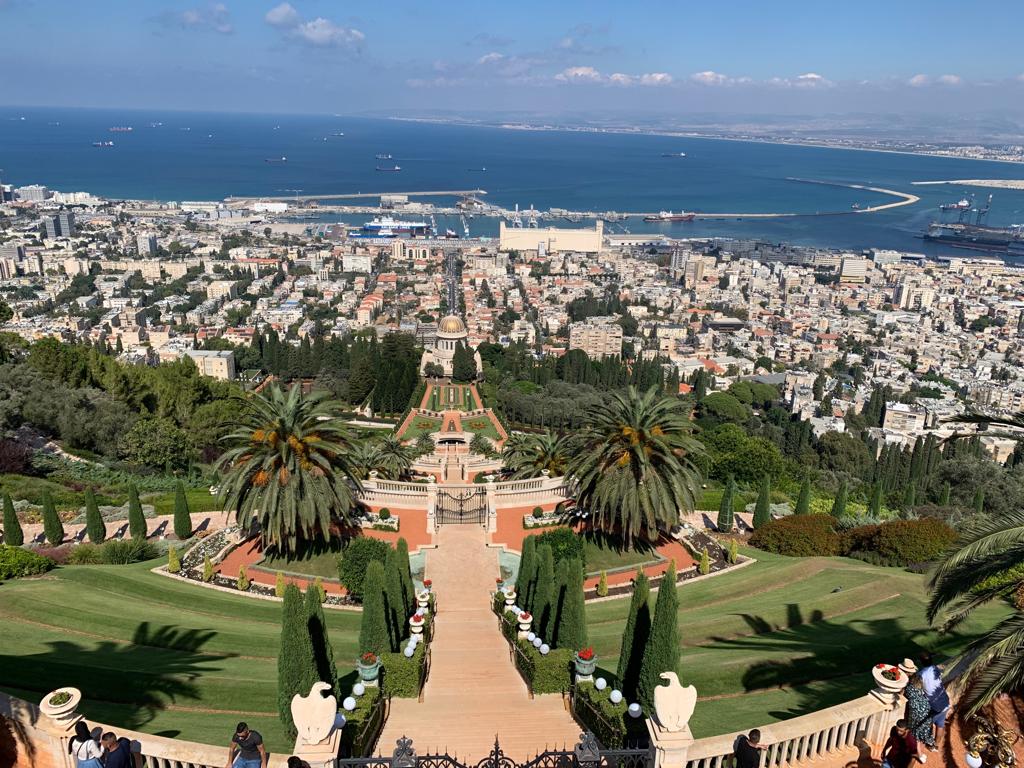
At the heart of the gardens is the Shrine of the Báb, an elegant golden-domed structure that serves as one of the most sacred sites of the Bahá’í world. The shrine stands prominently against Mount Carmel, while a series of terraces extends above and below it.
The gardens were developed to create a harmonious setting around the shrine. Their design reflects principles of balance, unity, and order, ideas that are central to Bahá’í teachings. As visitors move through the site, the symmetry and carefully aligned landscaping become increasingly apparent.
A Garden Designed With Extraordinary Precision
One of the most captivating aspects of the bahai gardens haifa experience is the remarkable symmetry of the terraces. Long stairways, curved pathways, ornamental pools, and meticulously shaped greenery create a visual pattern that changes depending on where you stand.
The gardens consist of multiple terraces arranged along the mountainside. From higher viewpoints, visitors can enjoy sweeping views across Haifa, the harbor, and the Mediterranean Sea. From lower viewpoints, the terraces appear to rise dramatically toward the golden dome.
Every element contributes to the overall composition. Trees and flowers are carefully positioned, water features add movement and reflection, and stonework provides a strong architectural foundation. The result is a landscape that feels almost like a living work of art.
Why Mount Carmel Makes The Setting Special
The gardens would be impressive anywhere, but their location on Mount Carmel gives them an unforgettable character. Haifa itself is known for its hills, coastal scenery, and diverse cultural atmosphere. The mountain provides a natural stage from which the gardens descend toward the city.
The contrast between the deep blue Mediterranean, urban landscape, green terraces, and golden dome creates spectacular scenery. Visitors can pause at viewpoints and take in the changing perspective, particularly when sunlight illuminates the terraces.
For photographers and landscape enthusiasts, the location provides countless opportunities for memorable images. However, the atmosphere encourages something more than photography. The quiet environment invites visitors to slow down and appreciate the peaceful surroundings.
A Place Of Spiritual Reflection
Although the gardens attract visitors because of their beauty, their importance goes far beyond aesthetics. They are part of a sacred environment, and visitors are encouraged to approach the site respectfully.
The carefully maintained landscape creates an atmosphere of calm. The sound of flowing water, the orderly gardens, and the expansive views can make even a short visit feel restorative. Travelers interested in religious history can also gain insight into the beliefs and traditions of the Bahá’í community.
For people from different backgrounds, the gardens can serve as a reminder of how architecture and landscape can communicate ideas about peace, unity, and harmony.
What Visitors Can Expect
A visit to the gardens can be incorporated into a broader exploration of Haifa. Depending on access arrangements and the sections open to visitors, travelers may experience different viewpoints and walking areas.
Comfortable footwear is recommended because the site involves steps and walking. Visitors should also allow enough time to appreciate the gardens rather than treating the location as a quick photo stop.
Early planning can make the experience more enjoyable, particularly for travelers who want to join an organized visit or explore the surrounding attractions on the same day. Respecting visitor guidelines is also important because this is a functioning sacred site rather than simply a tourist attraction.
Exploring Haifa Beyond The Gardens
The gardens provide an excellent starting point for discovering the wider character of Haifa. The city combines Mediterranean scenery with historic neighborhoods, cultural attractions, and religious landmarks.
After visiting the terraces, travelers can explore other parts of the city, enjoy views from Mount Carmel, or spend time near the waterfront. Haifa's multicultural character makes it particularly interesting for travelers who want to experience different aspects of Israeli life in one destination.
A thoughtful itinerary can also connect Haifa with other significant locations in northern Israel. This makes the city a valuable stop for visitors interested in history, faith, architecture, and scenic landscapes.
Making The Visit More Meaningful
Travel becomes more memorable when visitors understand the story behind the places they see. Before visiting the gardens, learning a little about the Bahá’í Faith and the significance of the Shrine of the Báb can provide valuable context.
Rather than focusing solely on taking photographs, travelers can observe the details of the terraces, architecture, landscaping, and views. Notice how the different elements work together to create a sense of order and tranquility.
The experience can also be enhanced by combining the gardens with nearby historical and cultural sites. This allows visitors to understand Haifa as more than a beautiful coastal city—it becomes part of a much larger story of faith, heritage, and human connection.
A Memorable Stop On A Holy Land Journey
The Bahá’í Gardens offer a different perspective on a journey through Israel. While many travelers visit the country for biblical landmarks and Christian heritage, destinations such as these demonstrate the remarkable religious diversity found across the region.
The combination of sacred architecture, dramatic mountain scenery, meticulous landscaping, and Mediterranean views makes the gardens uniquely captivating. Whether you are passionate about religious history, architecture, photography, or simply beautiful places, the site can add an unforgettable dimension to your travels.
Conclusion: Beauty, Heritage, And Inspiration
The bahai gardens haifa are a striking example of how nature, architecture, and spirituality can exist together in extraordinary harmony. Their terraces tell a story not only through their design but also through the sacred traditions connected with the site.
For travelers seeking meaningful experiences throughout Israel, thoughtful planning can transform a visit into more than sightseeing. With its dedication to cultural understanding and memorable Holy Land experiences, holylandviptours.net can be a valuable resource when planning a journey that includes Haifa and its remarkable gardens.























Sign in to leave a comment.