

The quote arrived in a branded PDF, twelve pages long, with a cover letter and a glossary section explaining acoustic terminology I had not asked to have explained. It looked thorough. It felt authoritative. And when I eventually figured out what we were actually paying for versus what we were paying for the consultant to exist in the middle of the transaction, the glossy PDF started to feel like a different kind of document.
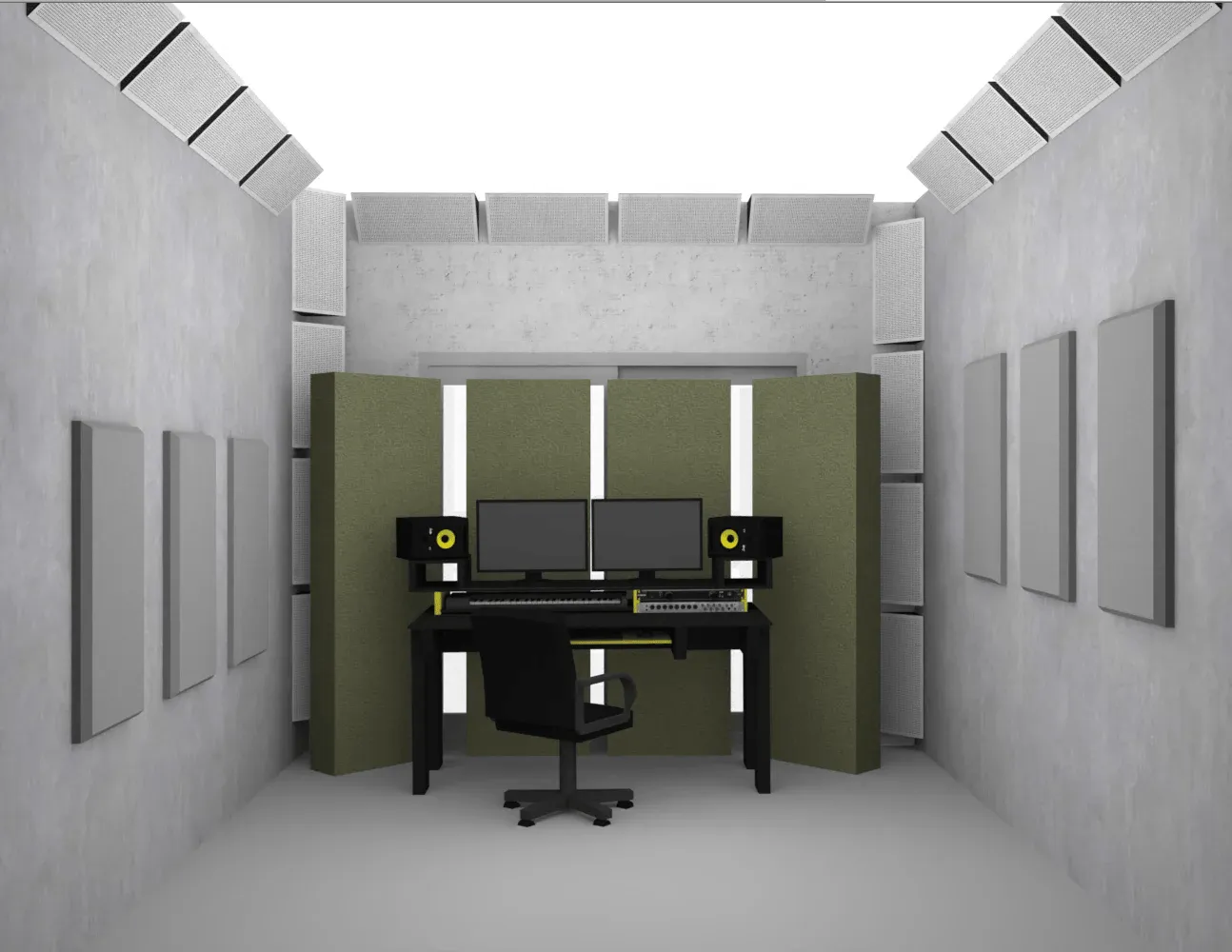
We needed acoustic treatment for a commercial recording space we were fitting out in Al Quoz. Not a massive job — a vocal booth, a control room, and two smaller isolation rooms. The kind of project a product-knowledgeable supplier can scope accurately without a six-week consultancy engagement sitting on top of the material cost.
A contact in the Dubai fit-out industry pointed me toward desound after I described the situation. Their model is direct — you speak to people who know the products, scope the job together, and buy directly without a consultancy layer sitting between you and the actual panels. That framing alone was worth a conversation.
What a consultancy markup actually looks like in practice
I want to be careful here because some acoustic consultancy genuinely earns its fee. Complex architectural projects, new builds with structural acoustic requirements, spaces where the design decisions and the acoustic decisions are inseparable — those benefit from an independent consultant who can specify without being tied to one supplier’s product range.
Our Al Quoz project was not that. It was a defined space with defined requirements: vocal isolation, controlled reflection in the control room, clean separation between the isolation booths. The scope was knowable. A product team that works with these spaces regularly does not need six weeks to understand it.
What the original consultant’s process actually involved:
- An initial site visit that produced a report we received three weeks later. The report confirmed what we had already told them — the room dimensions, the intended use, the noise floor we were targeting.
- A specification document that named products without naming suppliers, so we could not price-check the materials independently. Every number in the quote was bundled.
- A project management fee on top of the material and installation cost, for coordination work that in a job this size amounted to forwarding emails and attending a single site visit.
- No flexibility on scope. When we asked whether we could phase the isolation rooms and do the control room first, the answer was that it would require a revised consultancy agreement.
The markup was real and it was layered. Consultancy fee, project management fee, supplier margin through the consultant’s preferred vendor. By the time we understood the structure, the quote made sense arithmetically but not practically.
What a direct product conversation looks like instead
The first call with Desound’s product team was forty minutes. By the end of it I had a clearer picture of what the space needed than I did after three weeks of the consultant’s process. Not because they were rushing — because they were talking about products they actually work with every day and spaces they have done repeatedly.
What that conversation covered that the consultant’s report had not:
- Specific panel recommendations with NRC ratings explained in the context of our actual target — not acoustic theory in general, but what we needed to hit in this space for vocal recording.
- Honest guidance on where we could reduce treatment without affecting the result, and where cutting back would be a false economy. That kind of advice does not come from someone whose fee scales with the size of the order.
- A phased approach that let us complete the control room and vocal booth first, assess the result, and add the isolation rooms on a separate order without penalty or process.
- Transparency on what we were buying. Every item in the quote was named, specified, and individually priced. We could see exactly what each element cost and why it was in the scope.
After the installation
The control room and vocal booth were installed over four days. The team worked around the fit-out schedule without needing us to pause other trades. The result in the vocal booth was immediately noticeable — the flutter echo that had made the untreated space unusable for recording was gone, and the low-end buildup in the corners was addressed without over-deadening the room.
What stood out beyond the acoustic result:
- Direct-to-product pricing with no consultancy layer on top. What we paid reflected the materials and the installation. There was no bundled fee for someone to manage the process of buying panels on our behalf. The saving versus the original quote was substantial — for a materially similar acoustic outcome.
- Product knowledge that replaced the need for an intermediary. The Desound team knew the products well enough to scope the job accurately in a single conversation. That knowledge is what a consultant charges a separate fee to replicate from a position of supplier-independence — and in a job this defined, the independence was not worth the cost.
- Flexibility that a consultancy agreement would have made difficult. Phasing the project, adjusting scope mid-order, asking questions without generating a change request — all of it was straightforward because we were dealing with a product team, not a contracted intermediary.
If you are fitting out a recording space, studio, or commercial acoustic environment in the UAE and you have received a consultant-led quote that feels like it has more layers than the job requires, it is worth having a direct conversation first. Their Acoustic Panels Services in UAE are specified by people who install them regularly — the product knowledge is there without the consultancy fee sitting on top of it.
When a consultant is actually worth it
This is not an argument against acoustic consultancy as a category. Complex new builds, multi-room broadcast facilities, spaces where the acoustic requirements drive structural decisions — an independent consultant who can work across suppliers and disciplines earns the fee. The specification value is real.
But for a defined commercial fit-out with clear requirements and a scope that a knowledgeable product supplier can handle accurately — the consultancy layer adds cost without adding proportionate value. Understanding which situation you are in before you sign an agreement is the thing I would do differently.























Sign in to leave a comment.