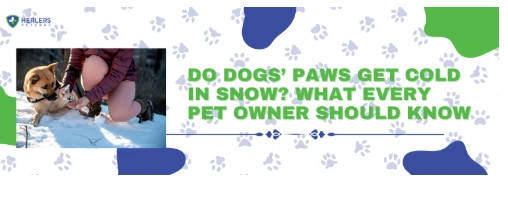

Winter is theoretically a very lovely season where scenery is draped in a cover of snow while one sits snug indoors, all by the warm fire. But as the temperature falls, dog owners are left wondering: Do paws get cold if they fall into the snow? The short answer is yes, but there's more you need to know. Providing insights into how your canine's paws react to that kind of temperature, what headache signals could mean to guard against them, can certainly make that winter trip so much safer and sunnier for the two of you.
How Do Dogs’ Paws Handle Cold Weather?
According to the Animal Humane Society, Dogs have an amazing built-in system called countercurrent heat exchange that helps keep their paws warm in cold weather. Warm blood flows to their paws while cooler blood returns to their core, reducing heat loss. However, this system isn’t foolproof — especially for small or short-haired breeds like Chihuahuas and Greyhounds, who struggle more in winter weather.
There are huge differences in frost tolerance between breeds. Cold-adapted breeds have well-developed fur and strong foot pads, making them capable of resisting the frost. These include the Siberian Husky, the Alaskan Malamute, etc. On the contrary, small or short fur cover breeds such as Chihuahuas, Greyhounds, and Dachshunds tend to resist winter conditions poorly.
At What Temperature Do Dogs’ Paws Get Too Cold?
One can safely say that many dogs will bear an exposure to lower temperatures than others. A safe rule of thumb is when temperatures dip below about 32-30°F (0-2°C), there is a high likelihood that the animal will start to feel discomfort or even may suffer frostbite. The really critical scenarios are when it's below 20°F (-6°C), particularly when the outdoor conditions exist for a long time.
The wind chill and wet exposure, along with the duration of exposure, count in this regard. An individual dog may handle the cold much better than one that has walked only on slushy surfaces in warm, wet weather; dry snow may offer a little more resistance to losing body heat.
Signs Your Dog’s Paws Are Too Cold
Your dog might not be able to tell you it's cold, but it will show signs. Here are some signs that your pup might be getting a bit too cold on the paws:
- Make use of their physiology: Usually, the initial indication of slight discomfort is paw lifting or lifting up.
- Hobbling or unrelenting steps: If their pain-inducing paws feel too cold, they may move around with some hesitation or with a confused kind of motion.
- Overly licking or chewing paws: If they are getting chilly or irritated, they may resort to licking them.
- Reddened, baldy-thinned or bloody pawpads: This probably shows that the dog could be a victim of frostbite or suffering from an irritant reaction due to ice and salt.
- By trembling or whining: Physical moaning with trembling could potentially accompany various complaints of discomfort.
How to Protect Your Dog’s Paws in the Snow
If you live in an area with harsh winters, taking steps to protect your dog’s paws is essential. Here’s how you can help:
1. Use Dog Booties
When winter rolls in, it’s the perfect time to consider dog booties to protect small paws from the cold, ice, and nasty chemicals like de-icing salts. One must pick booties that are:
- Waterproof or water-resistant
- Non-skid soles to help with traction
- Secure but comfy to wear
With positive reinforcement and a little practice, your dog may be able to accept them in time, thus turning them into a winter necessity.
2. Apply Paw Balm or Wax
Paw balms or waxes provide a protective seal, preventing cracks and soreness. Some natural ingredients include beeswax and shea butter. Apply it before going out and wipe off the excess upon return.
3. Trim Fur Between Toes
Long hair between paw paws can trap snow and ice, creating discomfort later up to frostbite. Regular trimming of this long fur prevents the formation of ice and keeps the paws dry.
4. Wipe Paws After Walks
After a winter walk, wipe the paws of your dog with a warm, damp cloth to remove salt, chemicals, or ice. Drying the paws thoroughly will help prevent irritation and chapping.
5. Limit Exposure in Extreme Cold
A few dogs may love the snow, but long exposure to freezing temperatures could be risky. When it is unbearably freezing outside, keep walks short and let the dogs have some fun indoors.
6. Choose Safe Walking Paths
Steer clear of places that have de-icing salts, antifreeze, or any other chemicals that are harmful to your dog's paws. Use booties or protective paw balm if you have to walk in these areas.
What to Do If Your Dog’s Paws Get Too Cold
If you suspect your dog’s paws are too cold or suffering from frostbite, take action immediately:
- Take them inside and gradually heat them.
- Soak with warm (not hot) water for several minutes in order to get those blood pumpers going again.
- Direct heat, like that from a hair dryer or a heating pad, can cause burns.
- A balm should be applied to soothe and protect the skin.
- If severe cracks, blisters, or frostbite signs are seen, consult your vet.
Conclusion: Keep Those Paws Warm and Safe
While a dog's paw does possess some ruggedness, it is still not flawless. Although many breeds have some innate ability to withstand low temperatures, discomfort should be duly noted, and precautions undertaken to guarantee the safety and comfort of the pooch throughout winter months. With booties, paw balms, and limited outdoor time, winter fun and festivities can be relaxed!
Whenever you see your dog hesitant to walk on snow or starting to lick its paws more often, this is a time to step up the winter paw care. Things as simple as wiping down the paws after walks, using pet-safe de-icing agents, and keeping watch for frostbite can work wonders.
As a good parent, nothing comes ahead of making the life of your fur kid as comfy as it could. Check out Healers Pet Care for excellent paw protection that is made just for the winter season! Your pup will repay you with cuddles and tail wags.
FAQS
- What is best to protect dogs' paws in snow?
Booties for dogs or paw waxing may add a natural featherbed for the feet. After deemed necessary- wash and dry the paws after outdoor walks to keep stress from salt or ice-melting chemicals. You could also trim those paw hairs and moisturize with pet-safe paw balms.
- How to stop snow sticking to a dog's paws?
So, in conjunction with keeping snow out, rub your dog's paws with some form of "musher's wax." This wax is usually nontoxic, just in case the dog licks it off. Should you then trim the hair between the paws?
- Do dogs need paw covers for snow?
In order to keep your dog comfortable and safe with winter boots for him, sensitive to all extreme temperatures, which more so include the winter months, his paws must be covered. Also, dog boots can provide protection from cold icy conditions for these 'pets'.
- How cold is too cold for a dog's paws?
Anyways, though, an essential rule of thumb is that if the mercury dips below freezing (32°F or 0°C), then it's time to take steps to secure your dog's paws. Signs of Cold-Related Paw Problems: Be on the lookout for signs of discomfort or injury while walking to and from your house when it is cold outside.
- Can I put Vaseline on my dog's paws before snow?
If she finds boots uncomfortable, wear, use Vaseline or perhaps a paw balm like Musher's Secret. Before walks, smear on the balm or use Vaseline on the dog's paws, where snow, ice, and salt cannot penetrate between the pup's toes. The balm or Vaseline also keeps their paw pads hydrated.






























Sign in to leave a comment.