

India's Ayurvedic industry is growing faster than ever. More people are choosing herbal skincare, natural supplements, and traditional wellness products over chemical-based alternatives. If you are planning to start your own Ayurvedic brand, this is a great time to enter the market. But before you launch your products, you need to complete some important legal and regulatory steps.
Many new business owners get confused about the paperwork involved. The good news is that you don't need to build your own factory to start. You can simply partner with an ayurvedic third party manufacturing company in india and focus on your brand, marketing, and sales, while the manufacturer handles production. Still, certain documents are required no matter which route you choose. Let's break it down in simple terms.
1. Business Registration Documents
The first step is to register your company legally. You can register as a Sole Proprietorship, Partnership, LLP, or Private Limited Company, depending on your business size and future plans. You will need:
- Certificate of Incorporation (for LLP or Private Limited Company)
- Memorandum of Association (MoA) and Articles of Association (AoA)
- PAN card of the business
- Aadhaar and PAN card copies of the owner or directors
This registration builds the legal foundation of your brand and is required for almost every other license you apply for.
2. GST Registration
Once your business is registered, you must apply for GST (Goods and Services Tax) registration. This is mandatory if your turnover crosses the prescribed limit, and most manufacturers and sellers register for GST regardless, since it is needed for invoicing, selling online, and working with any ayurvedic contract manufacturing company in india. GST registration requires your business PAN, address proof, bank account details, and photographs of the owner.
3. Trademark Registration
Your brand name and logo are valuable assets. Registering a trademark protects your identity and stops others from copying it. While trademark registration is not compulsory to start selling, it is highly recommended before you invest heavily in packaging and marketing. You will need your brand name, logo design, and a simple application filed with the Trademark Registry.
4. FSSAI License (if applicable)
If your Ayurvedic products fall under the food or nutraceutical category, such as herbal teas, health drinks, or supplements meant for consumption, you will need an FSSAI (Food Safety and Standards Authority of India) license. This ensures your product meets food safety standards. For most cosmetic-only Ayurvedic products like oils, creams, and soaps, FSSAI is not required.
5. AYUSH License
This is the most important document for anyone selling Ayurvedic medicines or therapeutic products. The AYUSH license is issued by the Ministry of AYUSH and confirms that your products meet quality, safety, and efficacy standards. If you manufacture the product yourself, you will need to apply for this license directly, which involves submitting company registration papers, details of your manufacturing site, a list of products and their formulations, and proof that qualified staff (such as a BAMS graduate or a pharmacist) are supervising production.
However, if you choose to work with an ayurvedic medicine third party manufacturer, this becomes much easier. The manufacturing partner already holds a valid AYUSH license and GMP certification, so you don't need to set up your own manufacturing unit or hire technical staff. You simply need a manufacturing agreement with them, and your brand name gets printed on the product under their existing license.
6. GMP Certificate
Good Manufacturing Practice (GMP) certification confirms that the manufacturing unit follows proper hygiene, quality control, and safety standards, as required under Schedule T of the Drugs and Cosmetics Rules. If you are manufacturing in-house, this certificate is compulsory before applying for your AYUSH license. If you are working with a third-party manufacturer, make sure they already hold a valid GMP certificate for their facility.
7. Manufacturing Agreement (For Third-Party Manufacturing)
If you decide to go the third-party or contract manufacturing route, which is the fastest and most affordable way to launch a brand, you will need a proper manufacturing agreement with your chosen partner. This document should clearly mention:
- Product formulations and specifications
- Packaging and labeling responsibilities
- Quality assurance terms
- Pricing, minimum order quantity, and delivery timelines
This agreement protects both parties and ensures your products are made exactly the way you want, under the manufacturer's existing licenses.
8. Product Labeling and Packaging Compliance
Your product labels must follow legal guidelines, including ingredient lists, batch number, manufacturing and expiry dates, manufacturer details, and any required disclaimers. This is checked closely during AYUSH inspections and is equally important even when working with a third-party manufacturer.
9. Import Export Code (IEC), If You Plan to Export
If you eventually want to sell your Ayurvedic products internationally, you will need an Import Export Code from the DGFT, along with a Certificate of Pharmaceutical Product (CoPP) if the destination country requires it.
Why Third-Party Manufacturing Makes This Easier
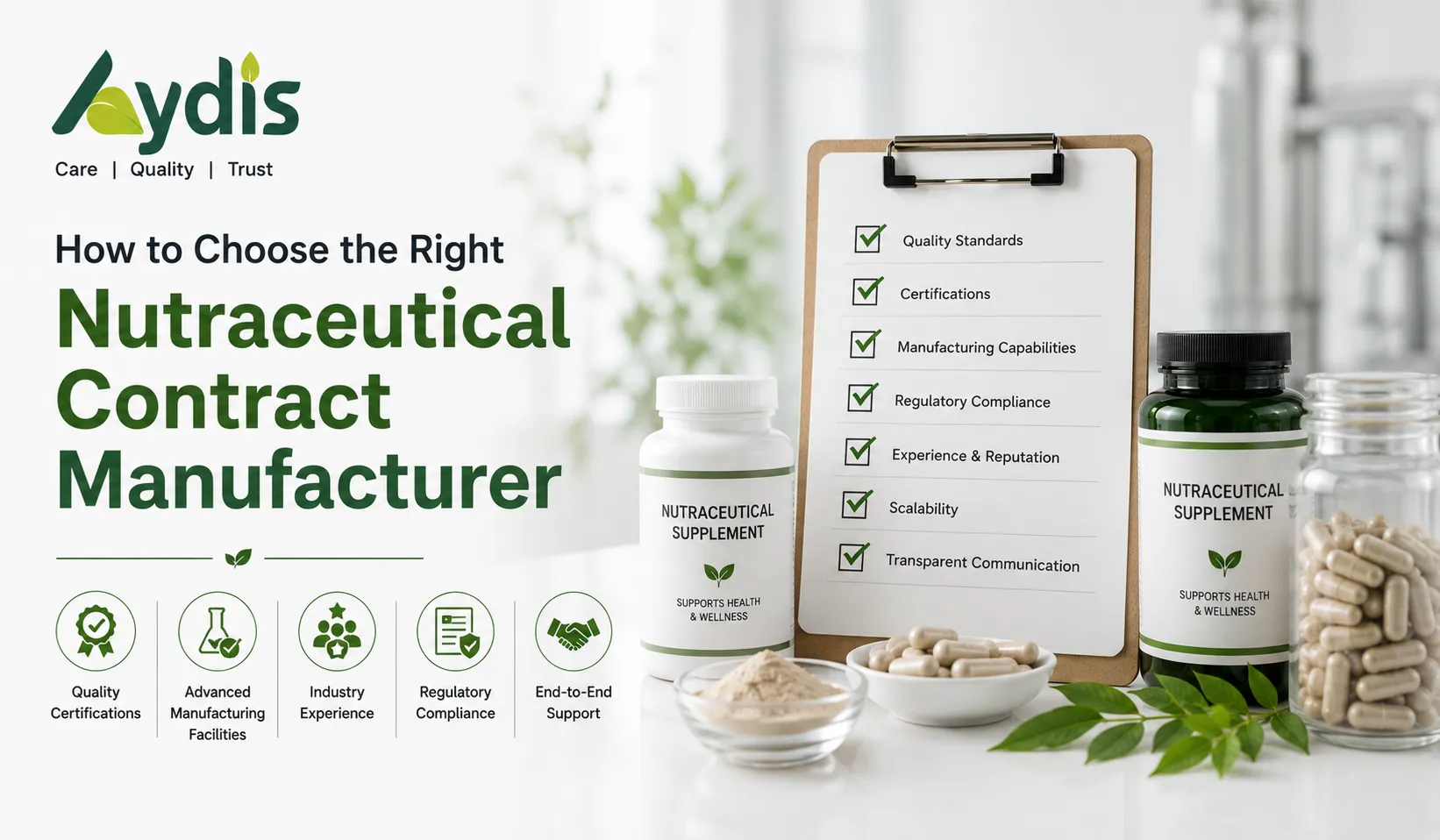
Setting up your own Ayurvedic manufacturing unit means applying for multiple licenses, hiring qualified staff, and investing heavily in infrastructure. This can take months and a large budget. That's why most new brands today prefer to partner with an established ayurvedic contract manufacturing company in india. These manufacturers already have their AYUSH license, GMP certification, and experienced formulation teams in place. All you need to focus on is your brand story, packaging design, and marketing strategy.
Final Thoughts
Starting an Ayurvedic product brand in India involves a mix of business registration, tax compliance, trademark protection, and product-specific licensing. If you choose to manufacture your own products, be ready with company documents, staff qualifications, and infrastructure details for your AYUSH and GMP licenses. But if you want a quicker and simpler path, partnering with a trusted ayurvedic medicine third party manufacturer lets you launch your brand without the heavy paperwork and setup cost of running your own factory.
Take time to choose the right manufacturing partner, keep your documents organized, and your Ayurvedic brand will be ready to reach customers with confidence.
























Sign in to leave a comment.