

You brush, you rinse, and a few hours later that odd taste is back. Metallic, sour, or just plain unpleasant. It's easy to brush it off as something you ate, but a lingering taste that won't go away is often your mouth trying to tell you something. Many patients only start searching for a dentist las vegas trusts once the taste has stuck around for weeks, when the cause could have been caught much earlier.
This guide breaks down the common reasons behind a bad taste, when it points to a real dental problem, and what steps actually help.
Why Taste Changes Happen in the First Place
Your mouth is a busy place. Bacteria, saliva, food particles, and your gums are all interacting constantly. Most of the time, this balance stays steady and you don't notice a thing. When something shifts, whether it's a new medication, dry mouth, or a hidden cavity, your taste buds are often the first to pick up on it.
A bad taste is rarely random. It usually points to something specific happening inside your mouth, even if the cause isn't obvious at first glance.
Common Dental Causes Behind a Bad Taste
Tooth Decay and Cavities
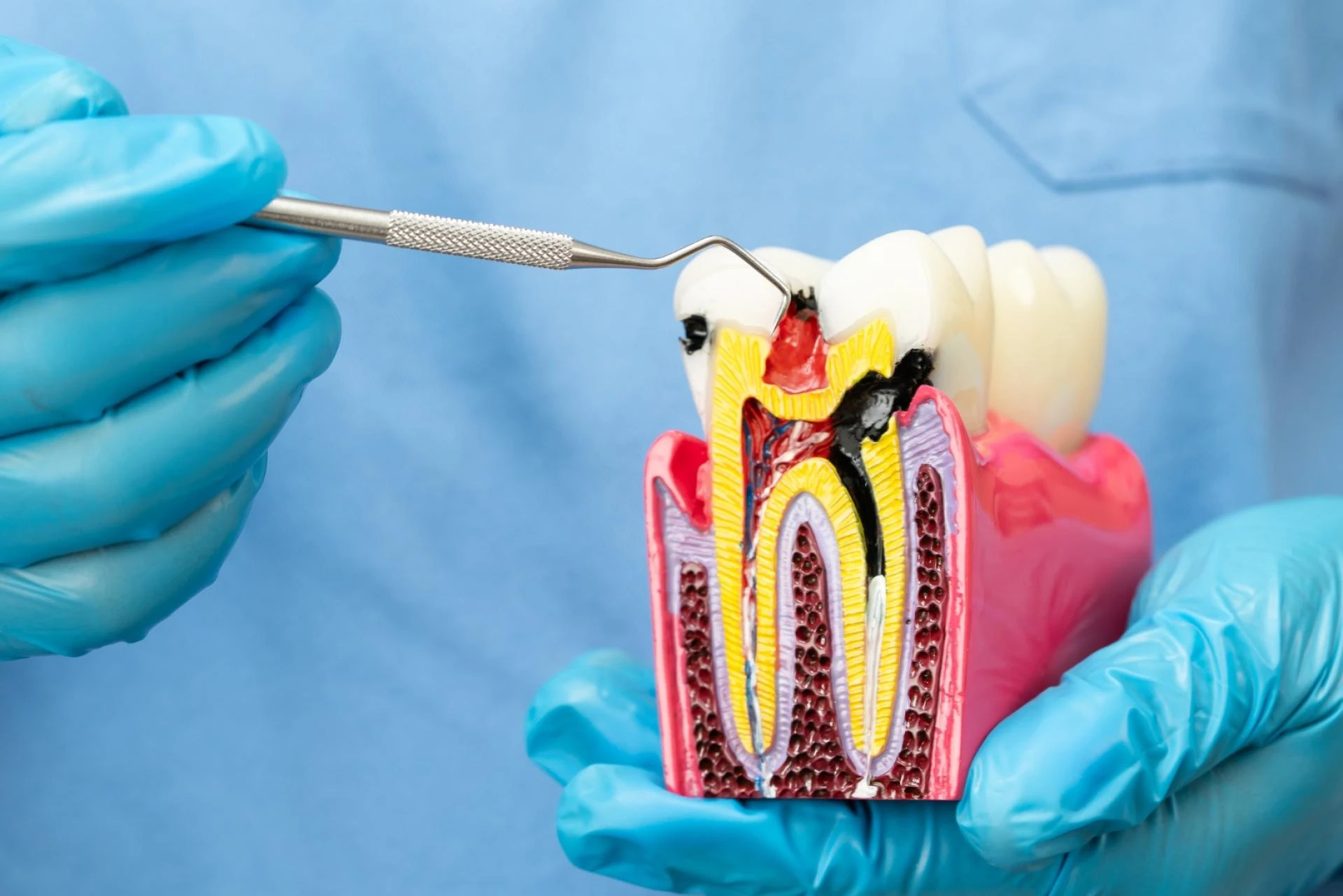
A cavity that has grown deep enough can create a small pocket where bacteria and food debris collect. This often produces a sour or bitter taste that keeps coming back, even right after brushing.
Gum Disease
Early gum disease, known as gingivitis, can cause a metallic or unpleasant taste along with red or puffy gums. If it progresses further, the taste tends to get stronger and more constant.
Old or Failing Dental Work
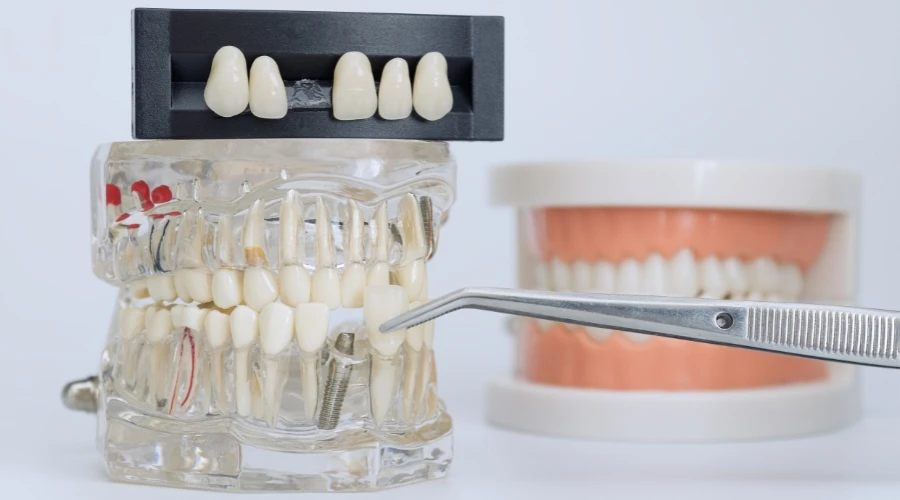
Fillings, crowns, and old dental work don't last forever. When a filling starts to break down or a crown no longer seals properly, small gaps can trap bacteria and cause a persistent taste that's hard to ignore.
Dry Mouth
Saliva helps wash away bacteria and food particles all day long. When your mouth doesn't produce enough saliva, whether from medication, breathing through your mouth at night, or dehydration, bacteria builds up faster and taste changes follow.
Infection Under the Gum Line
An infection near a tooth root or under the gum can cause a taste that's often described as metallic or foul. This is one of the more serious causes and usually comes with some swelling or tenderness too.
When It's Not About Your Teeth At All
Not every bad taste points back to your mouth. Sinus infections, acid reflux, and certain medications can all cause taste changes that have nothing to do with your dental health. This is exactly why a proper check makes sense before assuming the worst or ignoring it completely.
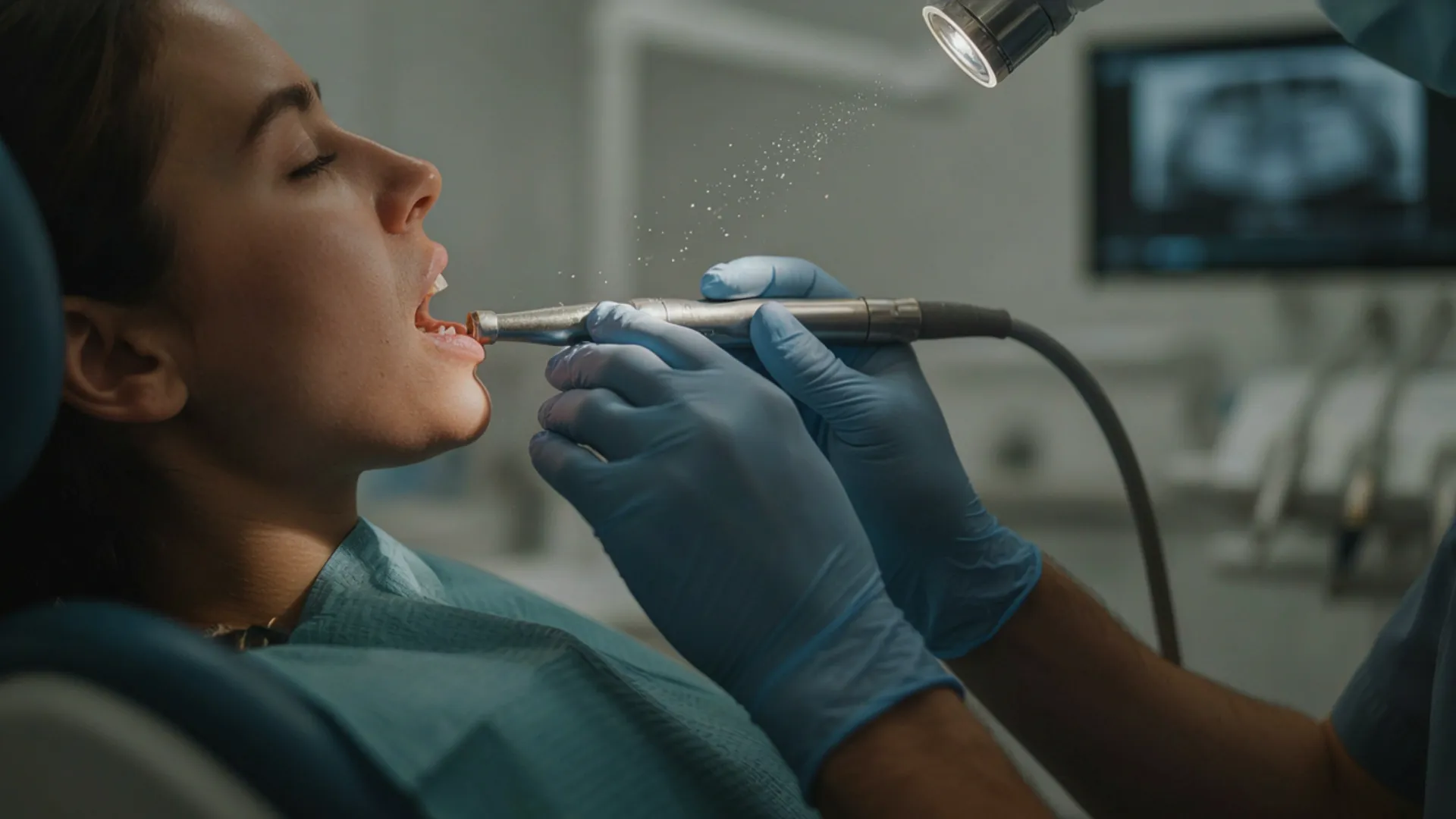
A visit to a dentist near me search often turns up practices that can quickly tell you whether the cause is dental or something else that needs a different kind of doctor. A short exam usually takes less time than most people expect, and it removes the guesswork of trying to self diagnose based on symptoms alone.
A Quick Comparison: Common Causes and What They Usually Feel Like
| Possible Cause | Typical Taste | Other Signs to Watch For |
| Tooth decay | Sour or bitter | Sensitivity to sweets, visible dark spots |
| Gum disease | Metallic | Red, swollen, or bleeding gums |
| Failing filling or crown | Bitter or sour | Sharp edge, food catching in that spot |
| Dry mouth | Stale or flat | Sticky feeling, trouble swallowing |
| Gum line infection | Metallic or foul | Swelling, tenderness, mild fever |
| Sinus or reflux related | Sour or acidic | Symptoms tied to eating or congestion, not brushing |
This table isn't meant to replace an actual exam, but it does help narrow down whether a dental visit is the right next step.
Why Ignoring It Rarely Helps
A bad taste that sticks around for more than a week or two is worth paying attention to. Small dental problems are usually much easier and less expensive to treat early. What starts as a minor cavity can turn into a root canal if it's left alone long enough. Waiting also gives bacteria more time to spread to nearby teeth or deeper into the gum tissue.
Most practices that offer same day exams can rule out or confirm a dental cause within a single visit. Patients who visit a dentist las vegas trusts early almost never regret getting checked, but plenty regret waiting six extra months. That kind of early check often turns a small filling into the entire fix, instead of something that requires a deeper procedure later.
What Actually Helps
Good habits go a long way, but they aren't always enough on their own if there's an underlying dental issue.
- Brush twice a day and don't skip flossing, since food trapped between teeth is a common cause of lingering taste.
- Stay hydrated throughout the day to keep saliva flow steady.
- Replace your toothbrush every three months, since worn bristles clean less effectively.
- Schedule a cleaning if it's been longer than six months since your last one.
- Don't ignore swelling, tenderness, or a taste that keeps returning after a few days.
If home habits don't clear things up within a week or so, it's a good sign that a professional look is needed rather than waiting it out further. Typing dentist near me into a search bar is often the first step people take, but it helps to actually book the visit rather than let the tab sit open for another week.
When to Book a Visit
If a bad taste lasts more than a week, comes with pain or swelling, or seems to return no matter how well you brush, it's time to get it checked. A same day or next day appointment can often settle the question quickly and save you from weeks of guessing.
Frequently Asked Questions
1. Can a bad taste in my mouth mean I have a cavity even without pain?
Yes, cavities can grow for a while before causing noticeable pain, and a lingering taste is sometimes the earliest sign something is wrong.
2. How long is too long to have a strange taste before seeing someone?
If it lasts more than one to two weeks, especially without an obvious cause like food or medication, it's worth having it looked at.
3. Can certain foods or drinks cause a temporary metallic taste?
Yes, some foods, supplements, and even coffee can cause a short lived metallic taste that clears up on its own within a day.
4. Is a bad taste always linked to poor oral hygiene?
Not always. Even people with good habits can develop a hidden cavity, gum issue, or an unrelated medical cause.
5. Could my medication be causing the taste changes?
It's possible. Several common medications list altered taste or dry mouth as a side effect, so it's worth mentioning to your doctor or dental team.
6. What should I do if the taste comes with swelling or pain?
This combination often points to an infection and should be checked as soon as possible rather than waiting.
7. Does mouthwash help get rid of a persistent bad taste?
Mouthwash can mask the taste temporarily, but if the cause is a cavity or infection, it won't fix the actual problem underneath.
8. Is it normal for a bad taste to come and go throughout the day?
It can happen with mild dry mouth or minor food debris, but a pattern that keeps repeating over several days deserves a closer look.
Final Thoughts
A bad taste that won't go away is your body's way of flagging that something changed. Sometimes it's as simple as needing more water during the day. Other times it points to a cavity, gum issue, or old dental work that needs attention. Either way, it's not something to ignore for weeks on end.
If you've been dealing with a taste that just won't quit, Summerlin Smiles is ready to help you figure out what's behind it. As a dentist in las vegas, our patients have trusted us for years. Our team takes the time to find the real cause instead of guessing, whether that means a simple cleaning or a closer look at something more specific. If you've been searching for a dentist near me that actually listens, this is a good place to start.
Ready to get answers? Schedule an appointment with Summerlin Smiles today and stop wondering what's behind that lingering taste.



























Sign in to leave a comment.