

A plumbing emergency never picks a good time to happen. A burst pipe, a hidden leak, an overflowing toilet it hits, and suddenly you're standing there wondering if your homeowners insurance is actually going to help pay for the mess. Most people just assume "water damage" means "covered," but honestly, it's not that simple. If you've ever talked to an experienced plumber in Belton after finding surprise water damage, you've probably heard the same thing many homeowners do: insurance usually cares more about how the damage happened than the fact that it happened at all.
Knowing what your policy actually covers before something goes wrong can save you a ton of money and a lot of frustration when you're in the middle of dealing with a claim.
Understanding Homeowners Insurance Plumbing Coverage
Here's something people mix up a lot: there's a difference between fixing the actual plumbing and fixing the damage that plumbing caused. Insurance rarely touches the first one. The second one, though, depends.
What usually gets covered:
- Pipes that freeze and burst as long as you've been keeping up with basic maintenance
- A pipe that just fails out of nowhere, no warning signs
- Water damage from a plumbing event nobody saw coming
- Overflow from a fixture your policy actually covers
- Damage from an appliance hose that suddenly gives out
What usually gets denied:
- Plain old wear and tear
- Pipes that are old, rusted, or corroded
- Slow leaks that built up over weeks or months
- Damage that happened because something wasn't maintained
- Regular plumbing repairs, insurance isn't a maintenance plan
- Sewer backups, unless you specifically paid extra to cover that
Insurance Coverage for Plumbing Damage Depends on the Cause
Honestly, this is where most of the confusion starts. People don't realize the claims process basically comes down to a handful of questions the adjuster is quietly asking themselves the whole time:
- Did this happen out of nowhere, or has it been building for a while?
- Could you have realistically caught this before it got bad?
- Were you actually keeping up with maintenance?
- Once you found the problem, did you act fast or let it sit?
However you answer those or however the evidence answers them, pretty much decides whether your claim gets approved or shows up back in your inbox with a denial letter.
Hidden Leaks Can Change Everything
Hidden leaks create some of the most challenging insurance situations. Water may spread for weeks before visible signs appear.
Common warning signs include:
- Higher-than-normal water bills
- Musty odors
- Peeling paint
- Water stains on ceilings
- Soft flooring
- Reduced water pressure
If you're unsure whether a hidden leak is causing damage, learning more about identifying hidden plumbing leaks can help you recognize problems before they become expensive insurance disputes.
What Should You Do Before Filing a Claim?
If you're in the middle of a plumbing emergency, what you do in the first hour actually matters both for your house and for your claim. Here's how to handle it.
Step 1: Shut off the water
First thing, run to your main water shutoff and turn it off. This alone can save you thousands in extra damage.
Step 2: Get stuff out of harm's way
Move furniture, electronics, and anything valuable; get it away from the water fast. Every extra minute it sits there is more stuff getting ruined.
Step 3: Take photos and videos before you touch anything
I can't stress this enough: document it before you start cleaning up. Once the mess is gone, so is your proof.
Step 4: Call your insurance company right away
Don't wait a few days to "see how bad it is." Report it as soon as you can and just follow whatever they tell you to do next.
Step 5: Get a plumber out there
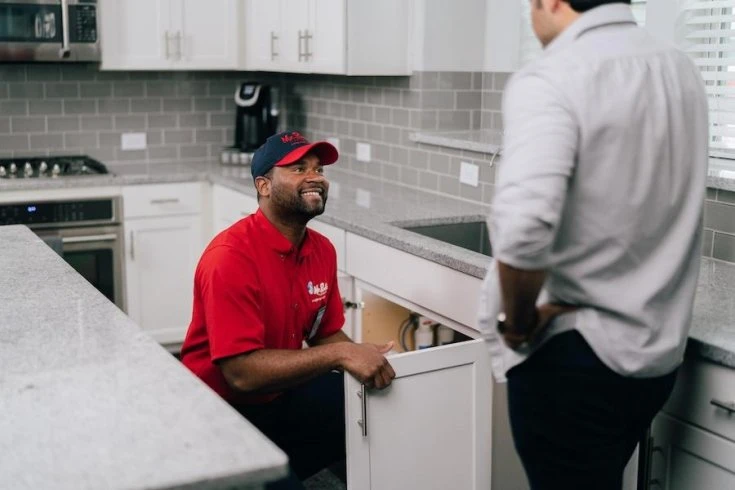
A solid plumbing inspection does two things: it finds the actual source of the problem, and it gives you paperwork the adjuster can actually use.
Tips to Avoid Costly Claim Denials
Good maintenance habits do double duty: they protect your house, and they protect your insurance coverage too. A few things worth building into your routine:
- Check exposed pipes now and then; don't just forget they exist
- Fix small leaks the moment you spot them, not "next weekend"
- Insulate your pipes before winter actually hits
- Swap out old supply hoses before they fail on you
- Keep an eye on your monthly water usage
- Get a routine plumbing inspection every so often
And this isn't just me talking; the Insurance Information Institute has pointed out for years that water damage and freezing are some of the top reasons homeowners file claims, costing billions industry-wide every single year. Catching plumbing problems early isn't just a nice idea; it genuinely cuts down your risk of a massive loss later.
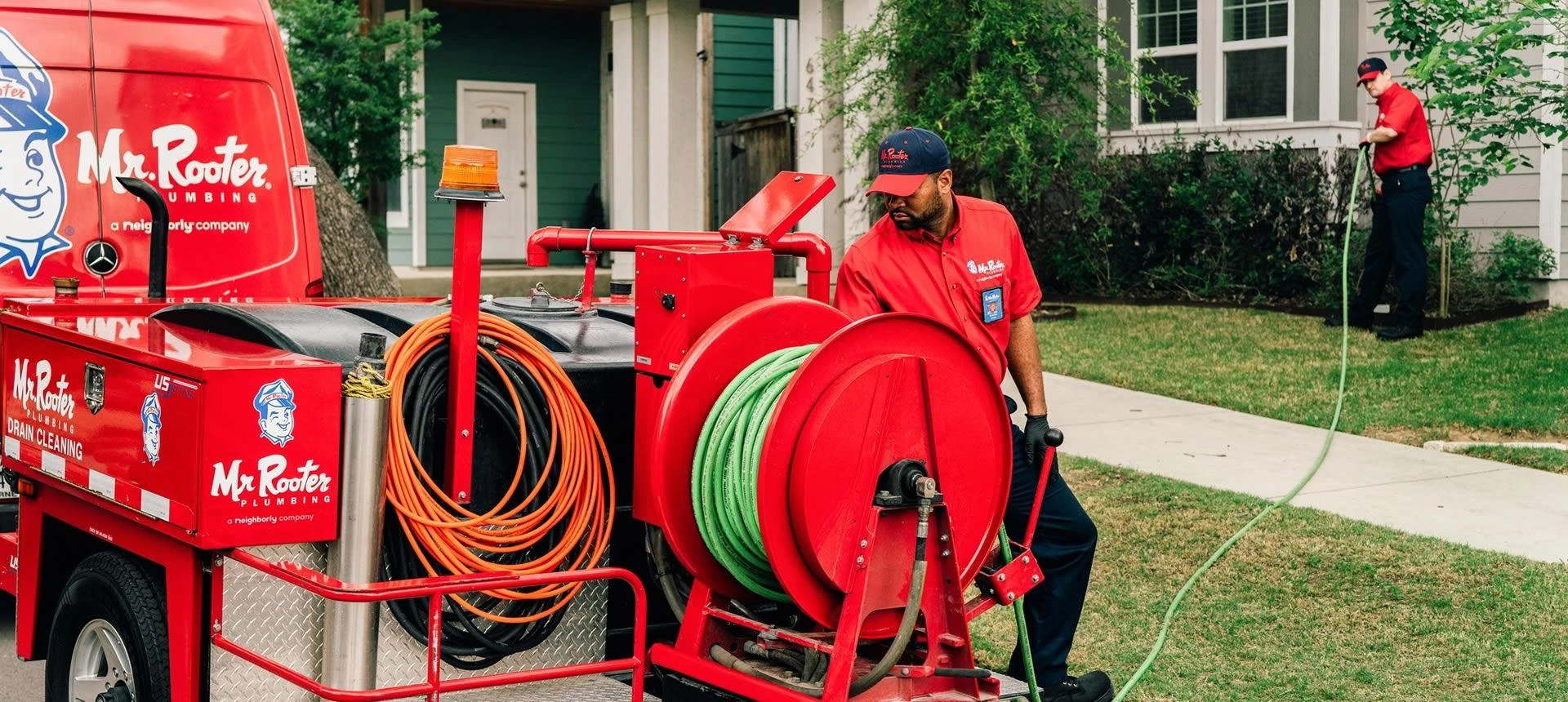
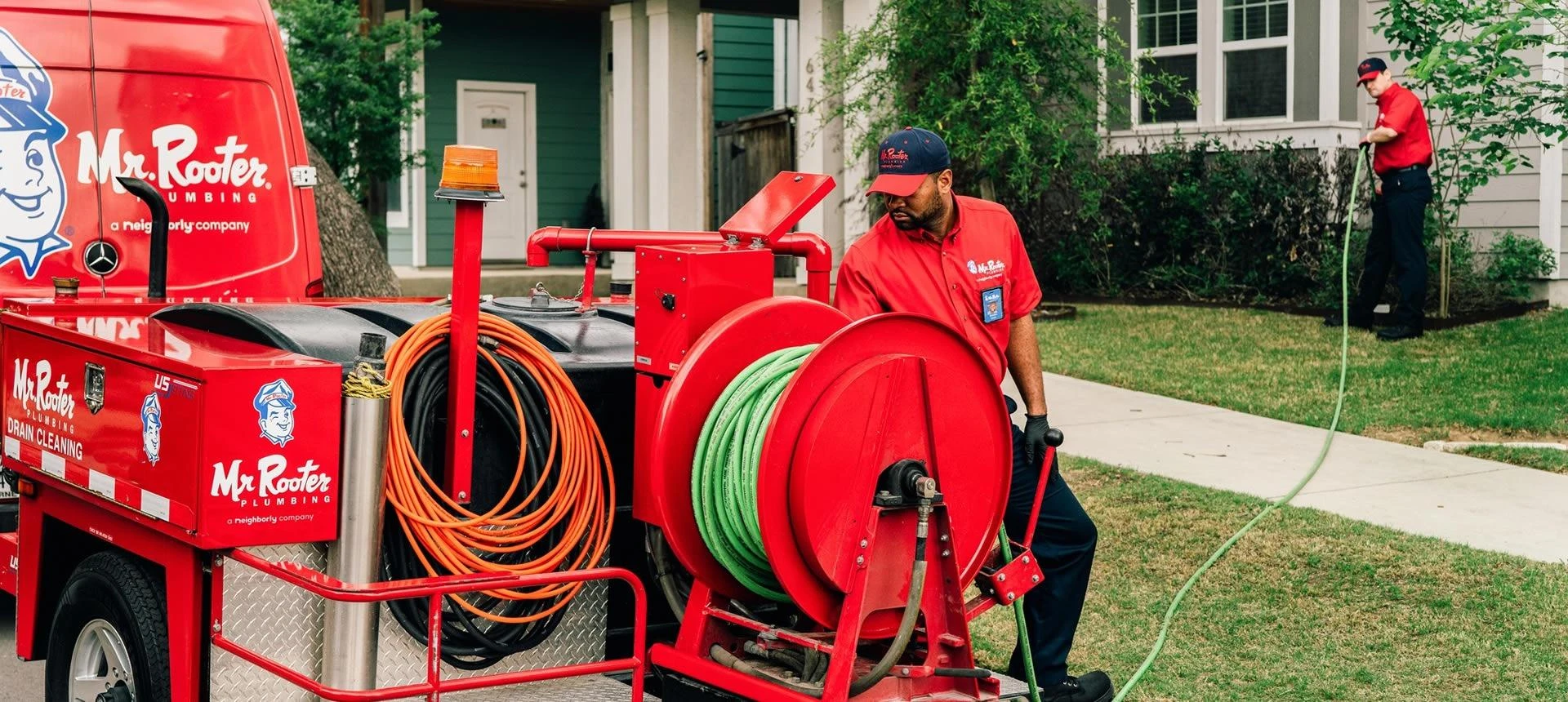
Before you even file a claim, it's usually smart to get a plumber out to look things over first. They can tell you whether what happened was sudden or if it's been building up for a while, which, as we've covered, makes a huge difference in how your claim goes. Mr. Rooter Plumbing of Killeen is a good example of the kind of team that can give homeowners a straight answer on what actually happened, plus repairs you can trust when you're already dealing with an emergency.
Conclusion
Homeowners insurance is genuinely useful, but let's be clear: it's not covering every plumbing problem you'll ever have. Sudden, accidental failures? Usually covered. Wear and tear, old pipes, or maintenance you kept putting off? That one's on you.
The best way to stay ahead of this is pretty simple, honestly: know your policy before something goes wrong, not after. Check your plumbing regularly. Fix the small stuff before it turns into a huge, expensive mess. That's really most of the battle right there.
And if you're ever standing there staring at water damage, unsure whether it's claim-worthy, just get a plumber out to look at it. A second opinion from someone who actually knows plumbing can save you a headache and it stops the damage from getting worse while you figure out your next move.
Before you file anything, it's usually worth having a qualified plumber take a look first and tell you straight up whether this was sudden or something that's been brewing for a while. Mr. Rooter Plumbing of Killeen is the kind of team that can give homeowners that clarity, along with solid repairs when you're in the middle of dealing with an unexpected mess.
Frequently Asked Questions
1. Does homeowners insurance cover pipe replacement?
Usually not. Most policies cover damage from a sudden pipe failure, not the cost of replacing old or worn-out pipes.
2. Will insurance cover a slow plumbing leak?
Generally, no. Slow leaks are usually considered maintenance issues and are not covered by homeowners insurance.
3. Are burst pipes covered by homeowners insurance?
Yes, if the pipe bursts suddenly and the damage wasn't caused by neglect or poor maintenance.
4. Does homeowners insurance cover water damage from plumbing?
Yes, when the damage results from a sudden and accidental plumbing failure. Long-term leaks are typically excluded.
5. Should I call a plumber before filing an insurance claim?
Yes. A professional inspection helps identify the cause and supports your insurance claim.
6. How can I improve my chances of getting a plumbing claim approved?
Act quickly, document the damage, and notify your insurance company as soon as possible.























Sign in to leave a comment.