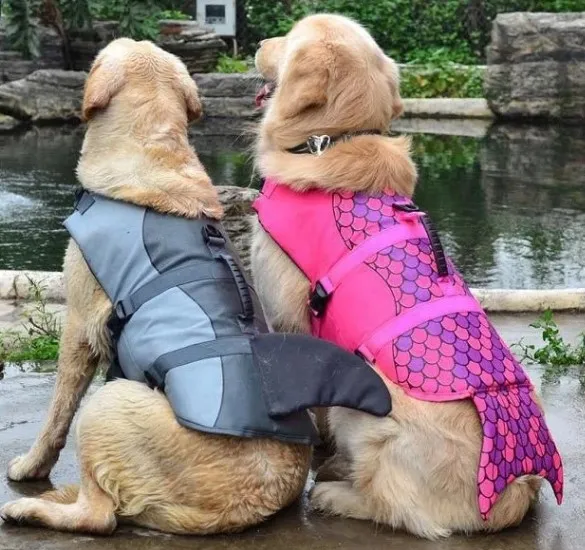


Swimming can be a fun way for dogs to exercise, cool off, and spend time with their owners. But being around water also comes with risks. Not every dog is a confident swimmer, and even dogs that swim well can become tired, disoriented, or caught in an unsafe situation.
A dog life preserver can provide additional support when a dog is swimming, boating, playing near a pool, or exploring unfamiliar water. The right flotation gear does not replace supervision, but it can give dogs extra buoyancy and make it easier to guide them back to safety.
Choosing the right life preserver involves more than picking a product based on appearance. Fit, flotation, visibility, handle placement, comfort, and your dog's swimming ability all matter. Understanding these factors can help pet owners make a more informed choice.
Why Dogs May Need a Life Preserver
Many people assume that all dogs naturally know how to swim. While dogs often have an instinct to paddle when they enter water, swimming ability varies significantly between individual dogs.
Some dogs are comfortable in water, while others may struggle to keep their heads above the surface. Body structure can also affect swimming ability. Dogs with short legs, broad chests, heavy bodies, or flat faces may have more difficulty maintaining a safe swimming position.
A dog life preserver can provide additional buoyancy and help keep a dog's body supported in the water.
It can be particularly useful for:
- Dogs that are inexperienced swimmers
- Puppies learning to enter the water
- Older dogs with lower stamina
- Dogs with physical limitations
- Dogs swimming in lakes, rivers, or other open water
- Boating and kayaking trips
- Dogs that tire quickly while swimming
- Pets that participate in water-based activities
Even experienced swimmers can benefit from flotation equipment when conditions change unexpectedly.
What Is a Dog Life Preserver?
A dog life preserver is a flotation device designed specifically for canine use. It generally uses buoyant materials to help support a dog's body while allowing the animal to paddle and move.
Unlike a standard pet harness, a flotation vest is designed with water activities in mind. Many models include adjustable straps, reflective details, and a sturdy handle that allows an owner to assist or lift the dog when necessary.
The design should allow the dog to move naturally without restricting the legs, neck, or breathing.
A properly fitted dog life preserver should feel secure without being excessively tight. If the vest shifts, twists, or rides up while the dog moves, it may not provide reliable support.
How to Choose the Right Dog Life Preserver
There is no single flotation vest that works equally well for every dog. Consider your pet's size, body shape, swimming experience, and intended activity before making a purchase.
1. Focus on Proper Fit
Fit is one of the most important factors.
Measure your dog's body according to the manufacturer's sizing instructions. Depending on the product, measurements may include chest girth, neck circumference, and body length.
The vest should stay securely in place when your dog walks, swims, and turns. However, it should not interfere with breathing or normal movement.
If possible, allow your dog to wear the vest on dry land for a few minutes before entering the water. This gives you an opportunity to adjust the straps and see whether your pet appears comfortable.
2. Look for Reliable Flotation
A flotation vest should provide enough buoyancy for the dog's size and body type.
The goal is to help support the dog without creating unnecessary bulk. A good design should allow the dog to maintain a natural swimming position while receiving additional support from the vest.
Remember that flotation equipment is designed as a safety aid, not as permission to leave a dog unattended.
3. Check for a Strong Rescue Handle
A top-mounted handle can be especially useful during water activities.
If a dog becomes tired or needs help getting out of the water, the handle gives an owner a practical point for guiding the dog. It can also make it easier to steady a nervous pet near a boat, dock, or pool.
Before using the vest in water, inspect the handle and attachment points to make sure they feel secure.
4. Consider Visibility
Visibility matters when dogs are swimming in pools, lakes, rivers, or other busy environments.
Bright colors and reflective elements can make a dog easier to spot from a distance. This can be helpful when a pet swims several feet away from its owner or when multiple people and animals are using the same area.
Visibility should be considered alongside fit and flotation rather than treated as a substitute for either.
5. Choose a Comfortable Design
A dog that feels restricted may resist wearing flotation gear.
Look for a design that allows natural movement around the legs and shoulders. Adjustable straps can help create a secure fit while accommodating differences in body shape.
Comfort is particularly important if your dog will wear the vest during longer outdoor activities.
How to Introduce Your Dog to a Life Vest
Putting a new vest directly on a dog and immediately entering the water may create unnecessary stress.
Instead, introduce the equipment gradually.
Start by allowing your dog to sniff and investigate the vest. Reward calm behavior with praise or treats. Once your dog seems comfortable, put the vest on for a short period while staying on dry land.
Walk around with the vest fitted and watch for signs of discomfort. If your dog remains relaxed, gradually increase the amount of time it is worn.
The first water session should take place in a controlled environment. Let your dog enter slowly rather than forcing the animal into the water.
Swimming Safety Tips for Dogs
A dog life preserver is only one part of responsible water safety. Owners should also understand the environment and remain actively involved.
Keep these practices in mind:
- Supervise your dog whenever it is near water.
- Introduce inexperienced swimmers to shallow, calm water first.
- Avoid forcing a nervous dog into the water.
- Take regular breaks during swimming sessions.
- Watch for signs of fatigue or distress.
- Keep fresh drinking water available.
- Rinse your dog's coat after swimming in saltwater or chlorinated water.
- Make sure your dog knows how to exit the pool or water safely.
- Inspect flotation equipment before every major outing.
- Avoid relying on flotation gear as a replacement for supervision.
Open water requires additional caution because currents, waves, changing depths, and underwater obstacles can create hazards that are not present in a controlled pool.
Common Mistakes Pet Owners Make
Even a well-designed flotation vest cannot compensate for poor preparation.
One common mistake is choosing a vest based only on the dog's weight. Two dogs with similar weights can have very different body shapes, so measurements and adjustability are important.
Another mistake is skipping the fitting process. A vest that looks appropriate may still move around during swimming if the straps are not adjusted correctly.
Some owners also assume that a life vest means their dog can swim independently. That is not the case. Dogs can become tired or distressed, and conditions can change quickly.
Finally, do not wait until an emergency to discover that your dog dislikes the vest. Introducing flotation gear gradually can make water activities more comfortable for both the pet and owner.
Dog Life Preserver for Boating and Outdoor Adventures
Water safety becomes especially important during boating trips.
A dog may unexpectedly jump or fall overboard, even when it has never shown an interest in the water. Waves, boat movement, and unfamiliar surroundings can also make swimming more difficult.
A dog life preserver with secure flotation and a strong lifting handle can provide useful support during boating activities. Owners should still follow safe boating practices and keep their pets under close supervision.
For kayaking, paddleboarding, or similar activities, consider how the vest fits when the dog is sitting, standing, or moving around on the equipment. A bulky or poorly fitted design may become uncomfortable during longer outings.
Caring for Your Dog's Flotation Gear
Regular inspection can help keep a flotation vest in usable condition.
After each outing, check the vest for damaged straps, loose stitching, worn buckles, or changes in the flotation material. If the manufacturer provides cleaning instructions, follow them carefully.
Allow the vest to dry properly after use, particularly if it has been exposed to saltwater or chlorinated water.
It is also worth checking the fit periodically. Puppies and growing dogs can quickly outgrow their equipment, while changes in body weight can affect how a vest fits an adult dog.
PetsDzign offers pet products designed to support everyday activities and outdoor experiences, giving owners additional options when preparing their dogs for water-related adventures.
When Should You Replace a Dog Life Preserver?
Flotation equipment should not be considered permanent.
Replace the vest if you notice significant wear, damaged buckles, weakened straps, torn fabric, or deterioration of the flotation material. A vest that no longer stays securely fitted may not provide the support you expect.
You should also replace a vest if your dog has outgrown it. A properly sized product is more useful than one that has become too small or too loose.
When purchasing replacement equipment, reassess your dog's current size and activity rather than automatically buying the same size or style.
Frequently Asked Questions
Can every dog swim?
No. Dogs differ in their swimming ability, confidence, body structure, and stamina. Some dogs may naturally enjoy swimming, while others need gradual introduction and additional support.
Does a dog life preserver prevent drowning?
A flotation vest can provide buoyancy and support, but it cannot guarantee a dog's safety. Active supervision remains essential whenever a dog is in or near water.
Should puppies wear flotation vests?
A properly fitted vest can provide additional support for puppies during supervised water introduction. Puppies should always be introduced to water gradually and in a controlled setting.
Can dogs wear life vests on boats?
Yes, flotation vests are commonly used during boating and other water activities. A secure fit, visible design, and accessible handle can be useful features for these situations.
How should a dog life preserver fit?
The vest should fit securely without restricting breathing or movement. It should not slide excessively when the dog walks or swims, and all adjustable straps should be comfortably secured.
Final Thoughts
Water activities can give dogs valuable exercise and create memorable experiences, but safety should come before fun. Understanding your dog's swimming ability, choosing equipment that fits properly, and maintaining close supervision can reduce avoidable risks.
A dog life preserver can provide useful buoyancy and support, particularly during boating, swimming, and outdoor water activities. Take time to introduce the vest properly, inspect it regularly, and choose equipment based on your dog's current size and needs.
With thoughtful preparation and responsible supervision, pet owners can make water adventures more comfortable and enjoyable for their dogs. Before your next outing, check your dog's flotation gear and make sure everything is ready for a safe day around the water.
























Sign in to leave a comment.