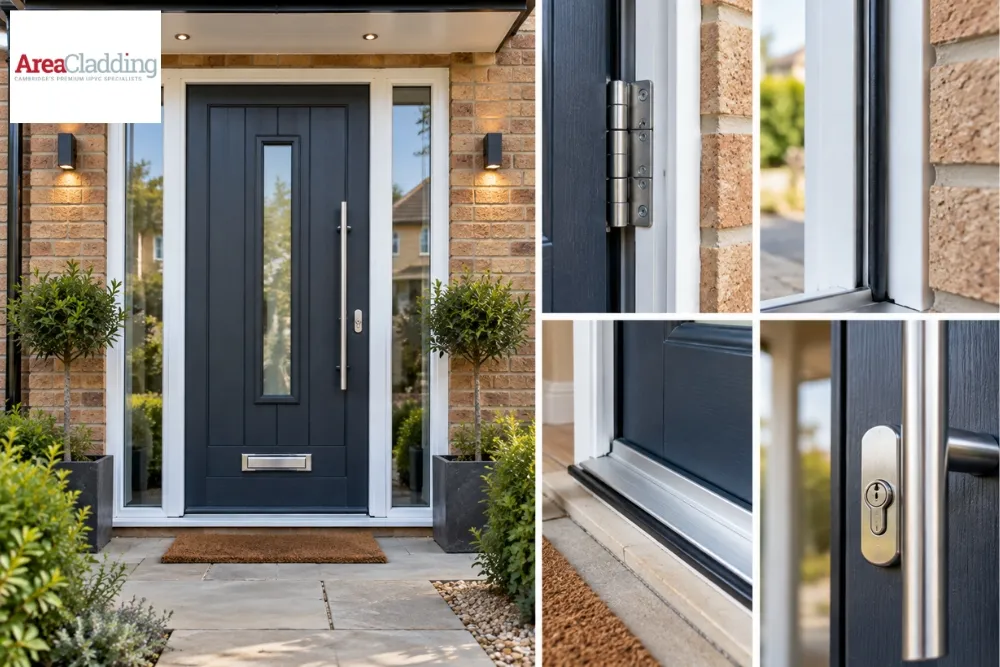

If you're planning to replace a front door, fit new French doors, or sort out a draughty back door somewhere between Cambridge, Peterborough, Ely and Huntingdon, the process involves more than picking a colour you like. Cambridgeshire has its own quirks — a mix of Victorian terraces, 1930s semis, new-build estates, listed cottages and conservation areas — and each of these throws up slightly different questions about materials, planning rules and what "good installation" actually looks like.
This guide walks through the whole decision, from choosing the right door type for your property to understanding building regulations, realistic costs, and how to avoid the most common installation mistakes. It's written for homeowners who want a straight answer, not a sales pitch.
Why Door Installation Isn't Just "Fit and Forget"
A door is one of the hardest-working parts of a house. It's a security barrier, a weather seal, an insulation layer, and — for a front door especially — the first thing anyone sees. A poorly fitted door undermines all four of those jobs at once, even if the door itself is high quality.
The most common issue installers see isn't a bad product; it's a badly fitted good one. Gaps around the frame let in draughts and damp, incorrect packing causes the door to drop and stick within a year or two, and skipped compliance steps can cause real problems if you come to sell the property later. Getting the installation right matters as much as, if not more than, the door you choose.
Choosing the Right Door Type for a Cambridgeshire Home
Front Doors
Composite doors have become the default choice for most homeowners in the region because they combine the look of timber with better weather resistance and lower maintenance. uPVC doors remain a budget-friendly option, particularly for rental properties or side/back entrances. Solid timber doors are still common on period properties in areas like Cambridge's conservation zones, where planning officers often expect materials in keeping with the building's character.
Back and Patio Doors
French doors and bi-fold doors are popular for extensions and garden-facing rooms, partly because Cambridgeshire's flatter, garden-oriented plots suit indoor-outdoor layouts. Sliding patio doors work well where space is tight, though they need a level, well-prepared threshold to operate smoothly over time.
Internal Doors
Often overlooked, internal door replacement is a straightforward way to improve sound insulation between rooms (useful in shared houses and home-office conversions) and to modernise a property's interior without a full renovation.
Building Regulations and Planning: What Actually Applies
This is the part most guides gloss over, and it's the part that causes the most grief later.
Replacing an external door is notifiable building work, even if you're only changing one door on an otherwise unaltered property. There are two lawful ways to prove the work complies:

- Use an installer registered with a Competent Person Scheme, such as FENSA or CERTASS. They self-certify the work and register it with the local authority on your behalf, and you'll receive a certificate once it's complete.
- Submit a building notice to your local council's building control department before work starts, if you're fitting the door yourself or using a non-registered installer. Building control will then inspect the work at various stages and charge an inspection fee.
There's no third option — doing nothing isn't compliant, even for a single door swap.
What Compliance Actually Covers
Several parts of the Building Regulations can apply to a door installation:
- Part L (conservation of fuel and power) — the door's thermal performance (U-value)
- Part Q (security) — applicable to new-build dwellings
- Safety glazing — for any glazed panels within the door
- Means of escape — particularly relevant if the door serves as a fire escape route
- Ventilation — where the door replacement affects background ventilation
Conservation Areas and Listed Buildings
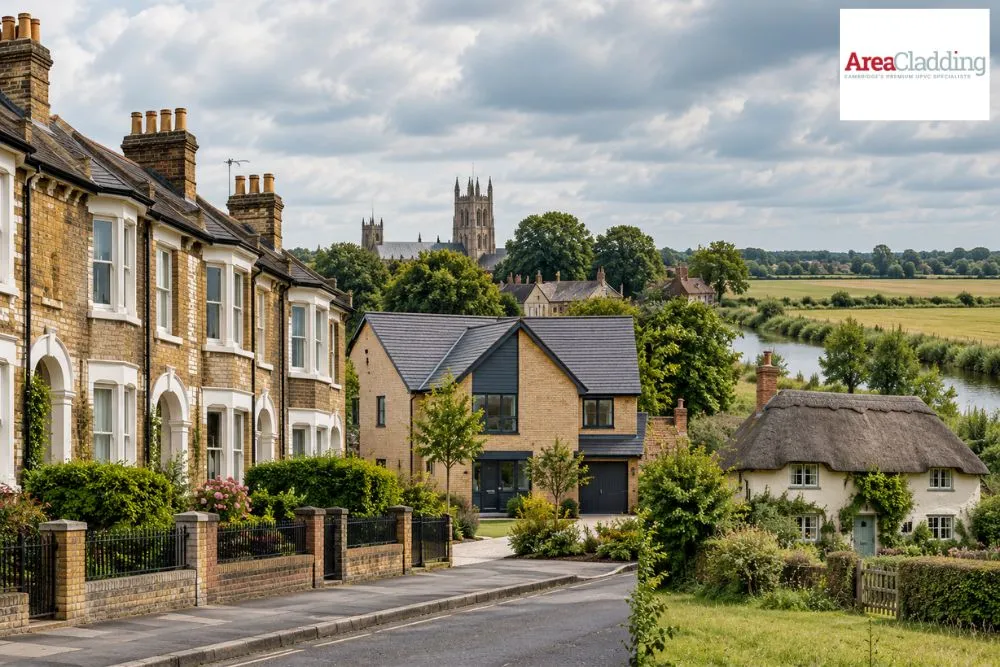
Cambridge itself, along with several Cambridgeshire market towns such as Ely, Huntingdon and St Ives, has designated conservation areas. If your property sits within one, or is listed, you may need planning permission or listed building consent before changing the style, material or even colour of an external door. It's worth checking with the relevant district council (Cambridge City, South Cambridgeshire, East Cambridgeshire, Huntingdonshire, Fenland or Peterborough) before ordering anything, because retrofitting a compliant door after the fact is far more expensive than getting it right first time.

Why the Paperwork Matters When You Sell
A missing compliance certificate is one of the more common snags that surfaces during conveyancing. A buyer's solicitor will typically ask for proof that any replacement doors and windows meet Building Regulations. Keeping your FENSA/CERTASS certificate (or building control completion certificate) safe alongside your other property documents saves a genuinely stressful scramble months or years down the line.
What Drives the Cost of Door Installation
Costs vary based on several factors rather than a single "door price," and Cambridgeshire pricing tends to track the wider East of England range. As a general guide:
| Door Type | Typical Price Range (Supplied & Fitted) | Notes |
|---|---|---|
| uPVC front/back door | Lower end of the market | Good insulation, low maintenance, limited style range |
| Composite door | Mid-range | Best balance of durability, insulation and kerb appeal |
| Solid timber door | Mid-to-upper range | Often required in conservation areas; needs more upkeep |
| French/patio doors | Varies widely by width and glazing | Larger glazed area affects thermal performance and price |
| Bi-fold doors | Upper range | Price scales with number of panels and track quality |
Figures move with material grade, glazing specification, hardware, and how much preparation work (removing an old frame, repairing brickwork, adjusting a threshold) is needed. Always get itemised quotes rather than a single lump figure, so you can see what you're actually paying for.
Hidden Costs Worth Asking About
- Making good around the frame (plaster, brickwork, external render)
- Disposal of the old door and frame
- Threshold or step adjustments, common in older Cambridgeshire properties with uneven floor levels
- Additional security hardware if you're upgrading locks to insurance-approved standards
Choosing an Installer: What to Actually Check
Rather than relying on star ratings alone, ask direct questions:
- Are you FENSA or CERTASS registered, and can I see your registration number?
- Will I receive a compliance certificate, and within how many days after installation?
- Is there an insurance-backed guarantee on the installation itself, separate from the manufacturer's product warranty?
- Can you provide the U-value of the door being fitted?
- Have you worked in [your town/conservation area] before, and are you familiar with the local planning constraints?
A reluctance to answer any of these clearly is a reasonable reason to look elsewhere.
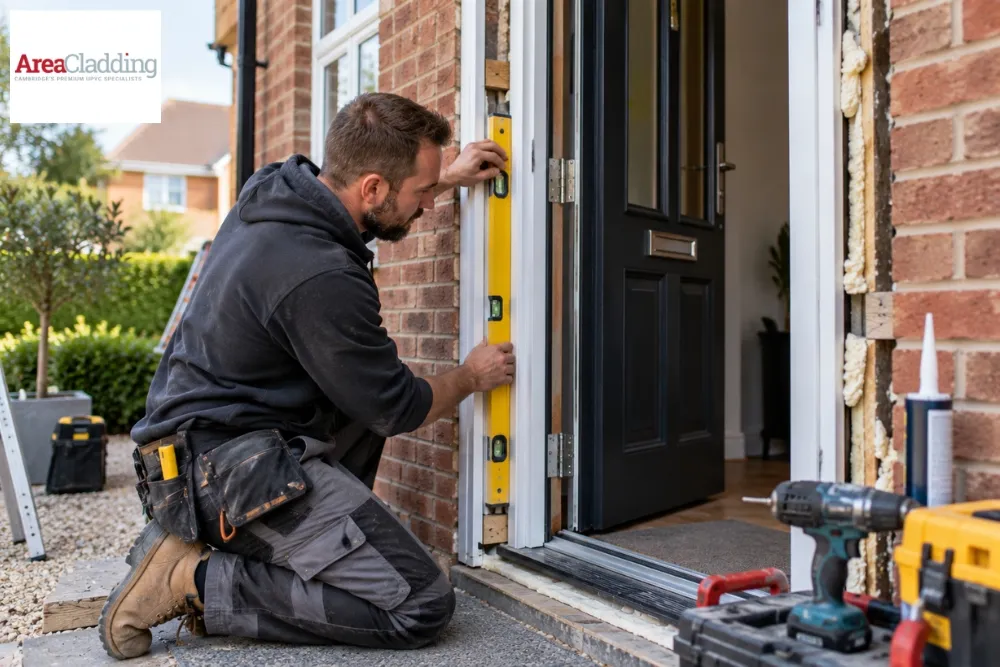
The Installation Process, Step by Step
- Survey and measurement — a proper installer measures the opening precisely rather than working from rough estimates, since even small errors cause fitting problems later.
- Removal of the old door and frame — done carefully to avoid damaging surrounding brickwork or plaster.
- Preparation of the opening — checking the opening is square, level and structurally sound before the new frame goes in.
- Fitting the frame — packed and fixed correctly so it doesn't twist or bow, which is the root cause of most sticking doors.
- Sealing and insulating — around the frame to stop draughts and water ingress, a step that's easy to rush and costly to skip.
- Hanging the door and fitting hardware — hinges, locks and handles aligned so the door closes cleanly without dropping.
- Final checks and certification — the installer confirms the door operates correctly and issues (or arranges) the relevant compliance certificate.
Seasonal Considerations for Cambridgeshire
Cambridgeshire's flat, exposed landscape means many properties experience stronger prevailing winds than more sheltered inland areas, which makes door and frame sealing especially important for older solid-wall properties. Installing in winter is entirely possible, but expect installers to take extra care with sealant curing times in cold, damp conditions. Booking installation ahead of the colder months, where possible, avoids weeks of living with a temporary door covering while you wait for a slot.
Common Mistakes to Avoid
- Choosing style before checking compliance, especially in conservation areas — order a door that isn't permitted and you'll be paying for it twice.
- Assuming a cheaper quote is a like-for-like comparison — check it includes the same door specification, hardware and certification.
- Skipping the FENSA/CERTASS check because a company "seems reputable" — always verify independently on the official register.
- Ignoring the threshold — a door that looks perfect but doesn't seal against an uneven or worn threshold will let in draughts regardless of quality.

Key Takeaways
- Door replacement is notifiable building work — you need either a Competent Person Scheme certificate (FENSA/CERTASS) or local authority building control sign-off. There's no way around this.
- Conservation areas and listed buildings, common across Cambridge and several Cambridgeshire market towns, may restrict door style, material and colour.
- Installation quality affects insulation, security and longevity as much as the door product itself.
- Keep your compliance certificate — it's frequently requested when selling.
- Get itemised quotes and verify installer credentials directly with the scheme register, not just the company's own claims.
Last Thoughts
Door installation in Cambridgeshire sits at the intersection of practical home improvement and genuine legal compliance. Get the product choice, installer vetting and paperwork right, and you end up with a door that performs well for years and causes no headaches when you eventually sell. Cut corners on any of those three, and the savings tend to be temporary while the problems aren't.
Frequently Asked Questions
Q: Do I need planning permission to replace a front door in Cambridgeshire?
A: Not usually, unless your property is listed or sits within a conservation area (such as parts of Cambridge, Ely or Huntingdon), in which case the local council may restrict material, style or colour. Building Regulations compliance is separate from planning permission and applies regardless.
Q: What's the difference between FENSA and CERTASS?
A: Both are government-authorised Competent Person Schemes covering windows and doors. Functionally they achieve the same outcome — self-certification of Building Regulations compliance — the difference is simply which scheme your chosen installer is registered with.
Q: Can I fit a door myself to save money?
A: Yes, but you can't self-certify. You'll need to submit a building notice to your local council and pay for a building control inspection, which adds cost and time compared with using a registered installer.
Q: How long does a typical door installation take?
A: A single door replacement is usually completed within a day, assuming no unexpected structural issues with the surrounding frame or brickwork are found during removal.
Q: Will a new door actually reduce my heating bills?
A: It can help, particularly if you're replacing an old, ill-fitting or single-glazed door with a well-insulated, properly sealed modern one — but a door is a small part of a home's overall heat loss compared with windows, walls and roof insulation.




























Sign in to leave a comment.