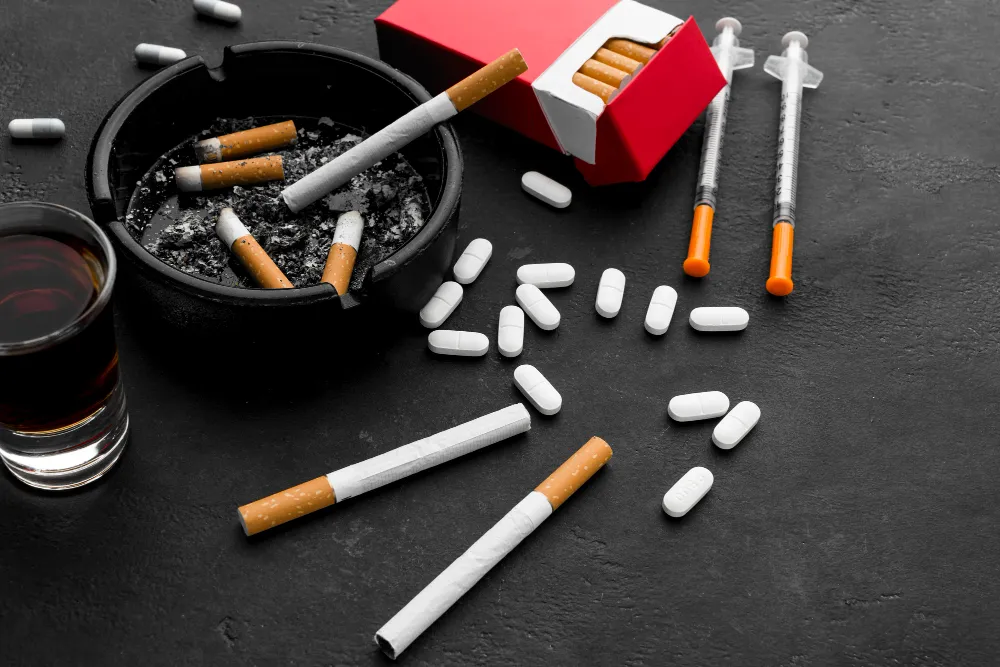

Drug addiction is one of the most misunderstood health issues — often mistaken for a lack of discipline rather than what it really is: a medical condition that develops from a mix of biology, environment, and life circumstances. Understanding drug de-addiction means understanding both the causes and the path back to recovery.
This guide breaks down what addiction is, its warning signs, treatment options, and how long-term recovery actually works.
What Causes Drug Addiction?
There's rarely a single cause. Common contributing factors include:
- Genetics — a family history of addiction increases risk
- Mental health conditions — depression, anxiety, and other conditions raise vulnerability to substance use
- Environment — easy access to drugs, peer pressure, or an unstable home environment
- Stress and trauma — unresolved emotional pain often drives people toward substances for temporary relief
Understanding the "why" behind addiction is important — it shifts the conversation from blame to solutions.
Common Warning Signs
| Category | What to Look For |
|---|---|
| Physical | Weight changes, red eyes, poor hygiene, low energy |
| Behavioral | Secrecy, lying, withdrawal from people, sudden mood swings |
| Functional | Missed work/school, declining performance, neglected responsibilities |
| Relational | Conflict with family, loss of trust, isolation from friends |
| Psychological | Loss of control over use, strong cravings, anxiety when not using |
A single sign doesn't confirm addiction — but a consistent pattern across categories is a signal worth acting on.
Why "Just Stop" Doesn't Work
Addiction alters how the brain processes reward, stress, and craving. This is why willpower alone is rarely enough — it's a medical and psychological pattern, not a character flaw. Proper treatment addresses both the physical and emotional sides of addiction, which is why professional support leads to far better outcomes than trying to quit alone.
Treatment Options, Step by Step
Step 1: Detoxification
Clears substances from the body under medical supervision, managing withdrawal safely.
Step 2: Medical support (if needed)
Certain medications ease cravings and withdrawal symptoms, especially for opioid, alcohol, or nicotine dependence.
Step 3: Therapy and counseling
Approaches like Cognitive Behavioral Therapy help identify triggers and build healthier coping strategies.
Step 4: Structured care
Depending on severity, this may involve a residential rehab stay or a flexible outpatient program that fits around daily life.
Step 5: Long-term support
Support groups and continued check-ins help maintain progress well beyond the initial treatment phase.
A comprehensive plan for substance abuse treatment typically combines several of these steps, tailored to the individual's history and needs.
The Importance of Family Support
Recovery is rarely a solo journey. Family involvement — through encouragement rather than blame — significantly improves outcomes. Practical ways families can help:
- Avoid judgment or ultimatums; focus on support instead
- Maintain honest, open communication
- Set healthy boundaries without cutting off care
- Consider family therapy alongside individual treatment
Relapse: What Parents and Loved Ones Should Know
Relapse doesn't mean treatment failed — it's a common part of many recovery journeys and usually signals that the approach needs adjusting. Ways to reduce relapse risk:
- Identify and avoid known triggers
- Maintain a consistent daily routine
- Stay committed to therapy and follow-ups
- Build healthy stress outlets — exercise, journaling, hobbies
- Stay connected to a support system
When Professional Help Is Necessary
Reach out to a professional if:
- Substance use is affecting health, relationships, or work
- Previous attempts to quit haven't been successful
- Withdrawal symptoms appear when not using
- There are signs of overdose or severe physical decline
Early intervention consistently leads to smoother, more successful recovery.
Bottom Line
Drug addiction is treatable — not a permanent state. With the right mix of medical care, therapy, and consistent support, recovery is achievable, and a stable, substance-free life is realistically within reach for most people who seek help.
























Sign in to leave a comment.