

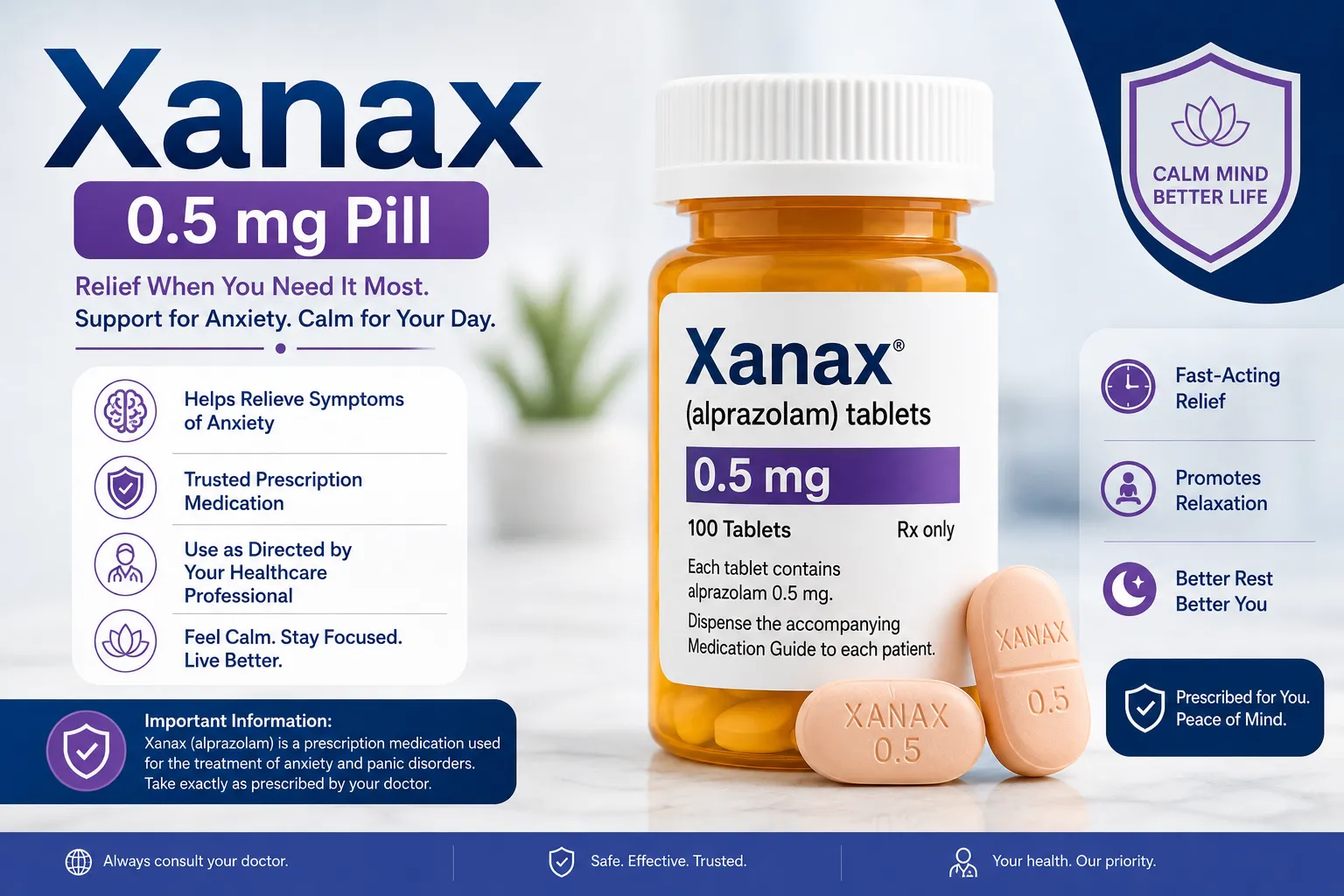
Xanax (alprazolam) is a prescription medication commonly used to treat anxiety disorders and panic disorder. It belongs to a class of medications known as benzodiazepines, which work by enhancing the calming effects of gamma-aminobutyric acid (GABA), a neurotransmitter that helps reduce excessive brain activity. While Xanax can be effective when used as prescribed and with prescription verification for purchase Xanax online, it can also interact with many other medications, supplements, and substances. Some interactions may increase side effects, reduce the medication's effectiveness, or lead to serious health risks.
Understanding potential drug interactions is an important part of using Xanax safely. Patients should always inform their healthcare provider about every medication they take, including prescription drugs, over-the-counter products, vitamins, herbal supplements, and recreational substances.
Why Drug Interactions Matter
Drug interactions occur when one substance changes the way another works in the body. In the case of a Xanax 0.25 mg pill, certain medications can increase its sedative effects, while others may alter how quickly it is broken down by the liver. These changes can lead to excessive drowsiness, impaired coordination, slowed breathing, or reduced symptom control.
Because everyone responds differently to medications, healthcare providers carefully review a patient's medical history before prescribing Xanax.
Medications That May Increase Drowsiness
One of the most important safety concerns involves combining Xanax with other medications that also slow activity in the central nervous system (CNS). Taking multiple CNS depressants together can increase the risk of excessive sedation, confusion, poor coordination, falls, and dangerously slowed breathing.
Examples include:
- Prescription opioid pain medications
- Certain sleep medications
- Other benzodiazepines
- Some muscle relaxants
- Certain anti-seizure medications
- Sedating antihistamines
Patients should never combine these medications with Xanax dosages unless specifically instructed and closely monitored by their healthcare provider.
Opioids and Xanax
Combining opioid medications with Xanax deserves special attention because it carries a significantly increased risk of severe sedation, respiratory depression, coma, and even death. For this reason, healthcare providers generally avoid prescribing these medications together unless no safer alternative exists.
If both medications are medically necessary, they are typically prescribed at the lowest effective doses with careful monitoring.
Alcohol and Xanax
Alcohol is one of the most important substances to avoid while taking Xanax. Both alcohol and Xanax depress the central nervous system, and using them together can greatly increase drowsiness, dizziness, poor judgment, impaired coordination, and breathing problems.
Even relatively small amounts of alcohol may increase these risks. Patients should discuss alcohol use with their healthcare provider before starting Xanax.
Antidepressants
Many people receiving treatment for anxiety may also take antidepressant medications. While several antidepressants can be used safely alongside Xanax under medical supervision, some may affect the way alprazolam is metabolized.
Healthcare providers consider potential interactions, monitor for increased side effects, and adjust treatment when necessary. Patients should never start or stop antidepressants without professional guidance.
Antifungal Medications
Certain antifungal medications can significantly increase Xanax levels in the bloodstream by slowing its breakdown in the liver. Elevated medication levels may increase the risk of excessive sedation and other side effects.
Healthcare providers may recommend dosage adjustments or alternative treatments when these medications must be used together.
Antibiotics
Some antibiotics can also interfere with the body's ability to metabolize Xanax. Although not every antibiotic causes an interaction, patients should always inform any healthcare professional that they are taking Xanax before beginning treatment for an infection.
Herbal Supplements
Natural supplements are often assumed to be harmless, but some can interact with prescription medications.
Examples include:
- St. John's wort, which may reduce Xanax effectiveness by increasing its breakdown.
- Kava and valerian root, which may increase drowsiness and sedation when combined with Xanax.
Patients should tell their healthcare provider about all herbal products and dietary supplements they use.
Grapefruit and Grapefruit Juice
Grapefruit products can interfere with enzymes responsible for metabolizing Xanax. As a result, higher amounts of the medication may remain in the bloodstream for longer periods, increasing the likelihood of side effects.
Patients should ask their healthcare provider whether they should avoid grapefruit while taking Xanax.
Other Medical Conditions
Drug interactions are only one part of medication safety. Certain medical conditions may also influence whether Xanax is an appropriate treatment.
Healthcare providers may take extra precautions in patients with:
- Liver disease
- Kidney disease
- Chronic breathing disorders
- Sleep apnea
- Depression or other mental health conditions
- A history of substance use disorder
A complete medical evaluation helps determine the safest treatment approach.
Recognizing Signs of an Interaction
Patients should seek immediate medical attention if they experience symptoms such as:
- Extreme drowsiness or difficulty waking up
- Slow or difficult breathing
- Severe confusion
- Loss of consciousness
- Blue lips or fingertips
- Difficulty speaking or walking
Less severe side effects should also be reported to a healthcare provider, particularly if they worsen after starting a new medication.
Tips for Safe Medication Use
Patients can reduce the risk of interactions by following several important safety practices:
- Take Xanax exactly as prescribed.
- Never share prescription medications.
- Inform every healthcare provider about all medications and supplements you use.
- Avoid alcohol unless your healthcare provider advises otherwise.
- Do not start, stop, or change medications without medical advice.
- Use one pharmacy whenever possible so pharmacists can help identify potential interactions.
Keep an updated list of all medications and carry it to medical appointments.
Working With Your Healthcare Team
Safe medication use depends on open communication between patients, physicians, pharmacists, and other healthcare professionals. Asking questions about possible interactions, side effects, and proper medication use helps reduce risks and supports better treatment outcomes.
Regular follow-up appointments allow healthcare providers to monitor treatment effectiveness and make adjustments if needed.
Conclusion
Xanax can be an effective medication for managing anxiety and panic disorders when used under the supervision of a qualified healthcare provider. However, it has the potential to interact with many prescription medications, over-the-counter products, herbal supplements, alcohol, and certain foods. These interactions can increase side effects or create serious health risks. By following medical advice, keeping healthcare providers informed about all medications, and avoiding potentially harmful combinations, patients can use Xanax more safely as part of a comprehensive treatment plan. If you have questions about possible drug interactions, consult your physician or pharmacist before making any changes to your medications.






















Sign in to leave a comment.