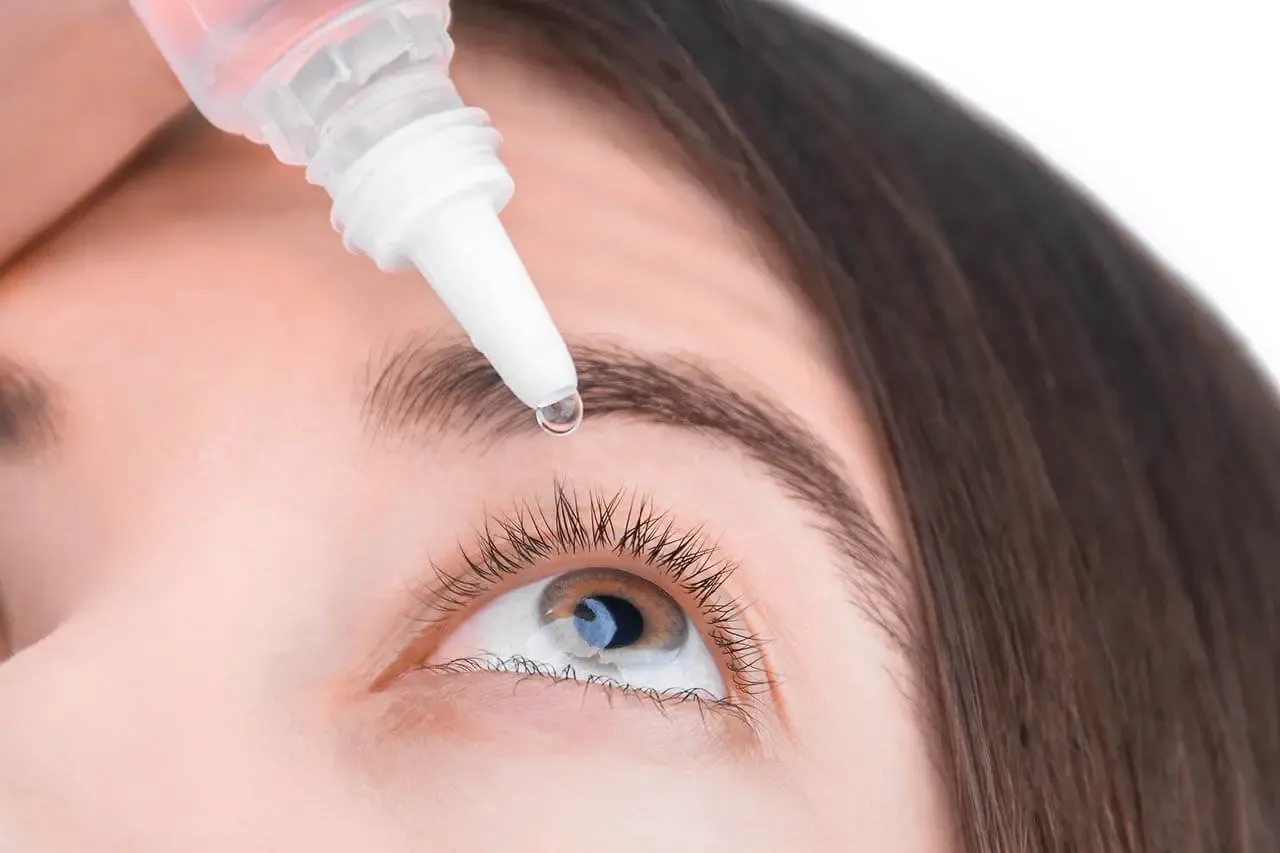

If your eyes constantly feel gritty, sore, or tired by the end of the day, you're not alone. Dry eye syndrome is one of the most common reasons people book an eye appointment in the UK, yet many still aren't sure what actually happens during a proper dry eye consultation. Understanding the process can make the experience far less daunting and help you get the right treatment sooner rather than later.
At Robin Hall Opticians, patients often arrive with the same questions: Will it hurt? How long does it take? Will I need drops for life? This guide walks through exactly what to expect from a specialist dry eye assessment, from the first chat with your practitioner to the treatment plan you leave with.
What Is Dry Eye Syndrome, and Why Does It Need a Specialist Look?
Dry eye syndrome occurs when your eyes don't produce enough tears, or when the tears you do produce evaporate too quickly or aren't of the right quality to keep the eye's surface properly lubricated. It's not simply a case of "not enough tears" — the tear film is made up of three layers (oil, water, and mucus), and a problem with any one of them can cause discomfort.
Because there are several underlying causes, a general chat about symptoms isn't enough to pinpoint the problem. This is exactly why a dedicated dry eye consultation exists: it uses targeted tests to work out which part of the tear film is failing, rather than guessing based on symptoms alone.
Common Signs You Might Need a Dry Eye Assessment
People often put up with dry eye symptoms for months before booking in, assuming it's just tiredness or screen strain. Typical signs include:
- A persistent gritty, sandy, or burning sensation
- Redness that doesn't fully settle
- Watery eyes (ironically, this can be a sign of dryness, as the eye overcompensates)
- Blurred vision that improves with blinking
- Sensitivity to light, wind, or air conditioning
- Discomfort that worsens with screen use or towards the end of the day
- Difficulty wearing contact lenses for as long as you used to
If any of these sound familiar, a specialist dry eye consultation is the most reliable next step, rather than relying on over-the-counter drops alone.
Before the Appointment: What to Expect
Most practices, including Robin Hall Opticians, will ask a few questions when you book, such as how long you've had symptoms and whether you're currently using any eye drops. It's worth noting down your symptoms, their triggers, and any medications you're taking beforehand, as this history plays a bigger role in diagnosis than many people expect.
You'll also be asked to avoid wearing eye makeup on the day if possible, and to bring your contact lenses and case if you wear them, as your practitioner may want to examine your eyes without lenses in for part of the assessment.
Step-by-Step: Inside the Specialist Eye Assessment
A proper dry eye assessment is far more thorough than a standard eye test. Here's how it typically unfolds.
1. A Detailed Symptom and Lifestyle Discussion
Your optometrist will start by talking through your symptoms in detail: when they started, how severe they are, and what makes them better or worse. They'll also ask about lifestyle factors that commonly contribute to dry eyes — screen time, sleep quality, medications (antihistamines and certain blood pressure tablets are known culprits), and even your home or work environment, such as air conditioning or wood-burning stoves.
This conversation matters because dry eye has multiple possible causes, including hormonal changes, autoimmune conditions, previous eye surgery, and even long-term contact lens wear. Getting a clear picture here shapes everything that follows.
2. Tear Film Assessment
This is where the dry eye consultation moves from conversation to clinical testing. Several non-invasive tests may be used, depending on what your practitioner suspects:
- Tear break-up time (TBUT): A small amount of dye is applied to the eye, and the practitioner watches how long it takes for the tear film to break up after a blink. A fast break-up time suggests the oily layer of your tears is compromised.
- Tear osmolarity testing: This measures the salt concentration in your tears. Higher-than-normal levels are a strong indicator of dry eye disease.
- Schirmer's test: A thin strip of paper is placed at the edge of the eyelid to measure tear production over a few minutes. This is used less often now than in the past, but still has its place for certain patients.
3. Examination of the Eyelids and Meibomian Glands
A significant proportion of dry eye cases are linked to a condition called Meibomian Gland Dysfunction (MGD), where the tiny oil-producing glands along the eyelid margin become blocked or underactive. Your practitioner will examine these glands closely, sometimes using specialist imaging that shows the gland structure on a screen, and may gently press along the eyelid to check the quality of the oil being produced.
4. Examining the Ocular Surface
Using a slit lamp (a specialised microscope for eyes), your optometrist will look closely at the surface of the eye and eyelids for signs of inflammation, irregular blinking patterns, or damage caused by dryness. Special dyes, such as fluorescein or lissamine green, may be used to highlight any areas of surface damage that aren't visible to the naked eye.
5. Discussing the Findings
Once testing is complete, your practitioner will explain what they've found in plain terms — for example, whether your dry eye is primarily due to reduced tear production, poor tear quality, or gland dysfunction. This step is important, as it directly determines which dry eye treatment will actually work for you, rather than a generic recommendation.
What Dry Eye Treatment Options Might Be Recommended?
Treatment is never one-size-fits-all, and a good dry eye consultation should end with a personalised plan. Depending on the cause identified, this might include:
- Preservative-free lubricating drops matched to your specific tear film deficiency
- Warm compress therapy and eyelid massage to unblock Meibomian glands
- Lid hygiene routines using specialist wipes or cleansers to reduce inflammation along the lash line
- In-clinic treatments such as thermal expression or light-based therapies for more persistent MGD
- Nutritional advice, including omega-3 intake, which has some evidence for supporting tear quality
- Environmental adjustments, like reducing screen glare, taking regular breaks, or using a humidifier
- Referral for further investigation if an underlying condition, such as Sjögren's syndrome or blepharitis, is suspected
Many patients need a combination of approaches rather than a single fix, and follow-up appointments are often built into the plan to track improvement over a few weeks or months.
How Long Does a Dry Eye Consultation Take?
A specialist dry eye assessment typically takes between 30 and 45 minutes, depending on how many tests are needed. This is considerably longer than a routine sight test, which reflects how much more detailed the process is. It's worth allowing extra time in your diary rather than squeezing it into a lunch break.
Is a Dry Eye Assessment Painful?
No. Every test used is non-invasive and generally causes no more than mild, temporary discomfort — similar to having a drop of water in your eye. Dyes used during testing wash out naturally with your tears and don't cause any lasting staining or irritation.
Frequently Asked Questions
- Do I need a GP referral for a dry eye consultation?
No. You can book a specialist dry eye assessment directly with an optometrist without needing to see your GP first, unless an underlying medical condition is suspected, in which case you may be referred on.
- How often should I have a dry eye assessment?
This depends on severity. Mild cases may only need an annual review, while more persistent or complex cases are often monitored every three to six months, especially when treatment is being adjusted.
- Can dry eyes be cured completely?
For some people, particularly those with an environmental or lifestyle-related cause, symptoms can improve significantly or resolve with the right changes. Chronic cases, especially those linked to conditions like MGD or autoimmune disease, are usually managed long-term rather than cured outright, but most patients see a real improvement in comfort with consistent treatment.
- Can I still wear contact lenses if I have dry eyes?
Often, yes, though your practitioner may recommend switching to a different lens type or material, adjusting your wearing schedule, or using specific lens-compatible lubricating drops.
- What's the difference between dry eyes and eye allergies?
Allergies typically involve itching, swelling, and a clear trigger such as pollen or pet dander, whereas dry eye tends to cause more of a persistent grittiness without significant itching. A specialist assessment can help distinguish between the two, as the treatments differ.
Final Thoughts
Living with dry, uncomfortable eyes isn't something you need to simply tolerate. A thorough dry eye consultation gets to the root of the problem rather than masking symptoms, and a tailored dry eye treatment plan can make a genuine difference to your day-to-day comfort. If your eyes have been feeling irritated, tired, or gritty more often than not, booking a proper dry eye assessment is a small step that can save months of unnecessary discomfort.
The team at Robin Hall Opticians specialises in thorough, patient-focused dry eye assessments, using clinical testing to identify the exact cause of your symptoms and recommend treatment that actually addresses it — not just a bottle of drops off the shelf.



























Sign in to leave a comment.