
The Dry Ice Market at a Crossroads: Strategic Trends and Commercial Opportunities Through 2032
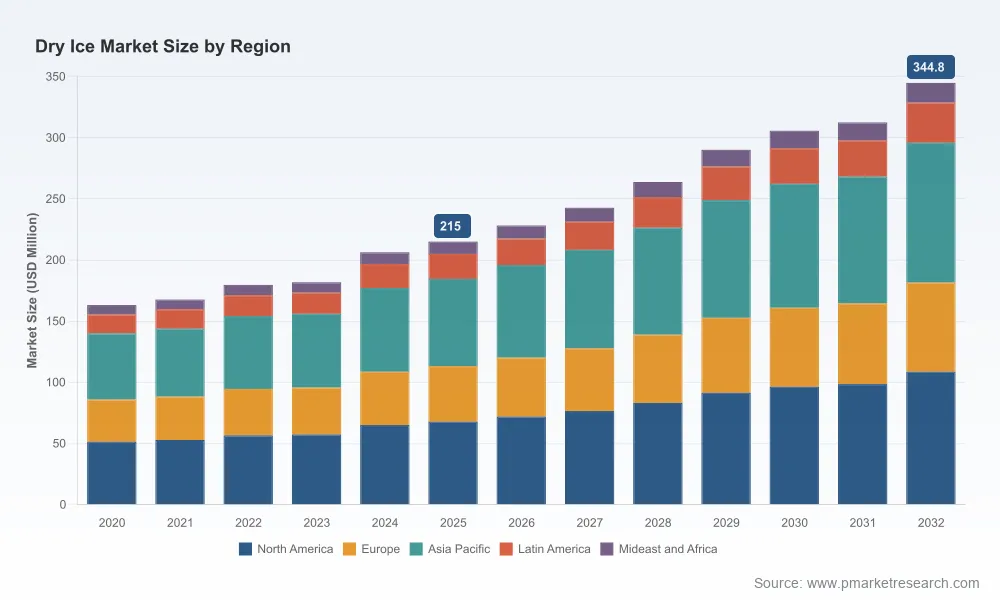
The global dry ice market is experiencing a structural expansion phase, driven by the intersection of cold-chain logistics complexity, healthcare preservation requirements, and industrial processing demands. Valued at approximately 215.0 million USD in 2025, the market has grown from 163.15 million USD in 2020, reflecting a compound annual growth rate of 7.5 percent through the forecast period ending in 2032, when the market is projected to reach 344.8 million USD. This trajectory is not merely a function of incremental demand growth; it signals a maturing ecosystem where procurement strategies, packaging innovation, and regulatory navigation are becoming decisive competitive differentiators.
For executives and investors evaluating exposure to temperature-controlled supply chains, the dry ice market offers a unique lens into broader industrial and consumer shifts. The commodity itself—solid carbon dioxide—is inexpensive to produce relative to many industrial gases, yet its value is captured through logistics reliability, product safety, and application-specific performance. As the market expands, the strategic question is no longer whether demand will grow, but how participants can position themselves to capture margin, manage volatility, and align with evolving compliance expectations.
Market Landscape: Growth Trajectory and Structural Headwinds
The dry ice market’s growth from 2020 through 2025 was marked by a notable inflection in 2024, when revenue climbed to 206.31 million USD, followed by a projected 215.0 million USD in 2025. This acceleration reflects post-pandemic normalization in food and beverage distribution, reinforced cold-chain investments in healthcare, and sustained industrial applications that rely on dry ice for cleaning, freezing, and moisture-free cooling. The forward trajectory to 2032 suggests a market that will more than double its 2025 baseline, with the steepest expansion expected in the latter half of the forecast window as capacity investments and application diversification compound.
This growth is underpinned by a market structure that remains moderately concentrated. The top three players command roughly 54 percent of total revenue, while the top five approach 68 percent. Such concentration indicates that scale players hold meaningful advantages in supply reliability, distribution networks, and customer relationships, particularly in food and beverage cold chains where fulfillment consistency is non-negotiable. At the same time, the remaining market share is distributed across a long tail of regional and specialized suppliers, creating both competitive pressure and opportunities for differentiated service models.
Several structural challenges define the current inflection point:
- Supply-side fragility tied to CO2 byproducts. Dry ice production is heavily dependent on captured carbon dioxide from industrial and bioethanol processes. Disruptions in feedstock availability can cascade quickly into pricing volatility and service interruptions, particularly in regions where a small number of CO2 sources dominate the supply base.
- Regulatory complexity across transport modes. Dry ice occupies a distinctive compliance position: it is treated as a hazardous material under ground transport rules in the United States, while air shipments require full dangerous goods compliance with specific packaging, labeling, and quantity limits. This dual framework increases operational overhead and creates friction for cross-border and multimodal logistics.
- Packaging and sustainability trade-offs. As customers seek to reduce single-use materials and improve recyclability, dry ice-compatible packaging is being redesigned. The challenge is balancing thermal performance, safety, and environmental claims without compromising the reliability of temperature-sensitive shipments.
These challenges are not merely operational annoyances; they are reshaping how suppliers, shippers, and end users structure contracts, select packaging, and evaluate supplier risk. Companies that treat compliance and supply resilience as strategic capabilities rather than back-office functions are better positioned to defend margins and customer trust.
Key Drivers: Technology, Policy, Demand, and Supply Chain Dynamics
The market’s trajectory is being shaped by a combination of innovation, regulation, behavioral shifts, and input-cost dynamics. Each driver reinforces the others, creating a set of interlocking opportunities for participants that can adapt quickly.
Technology Innovation and Equipment Flexibility
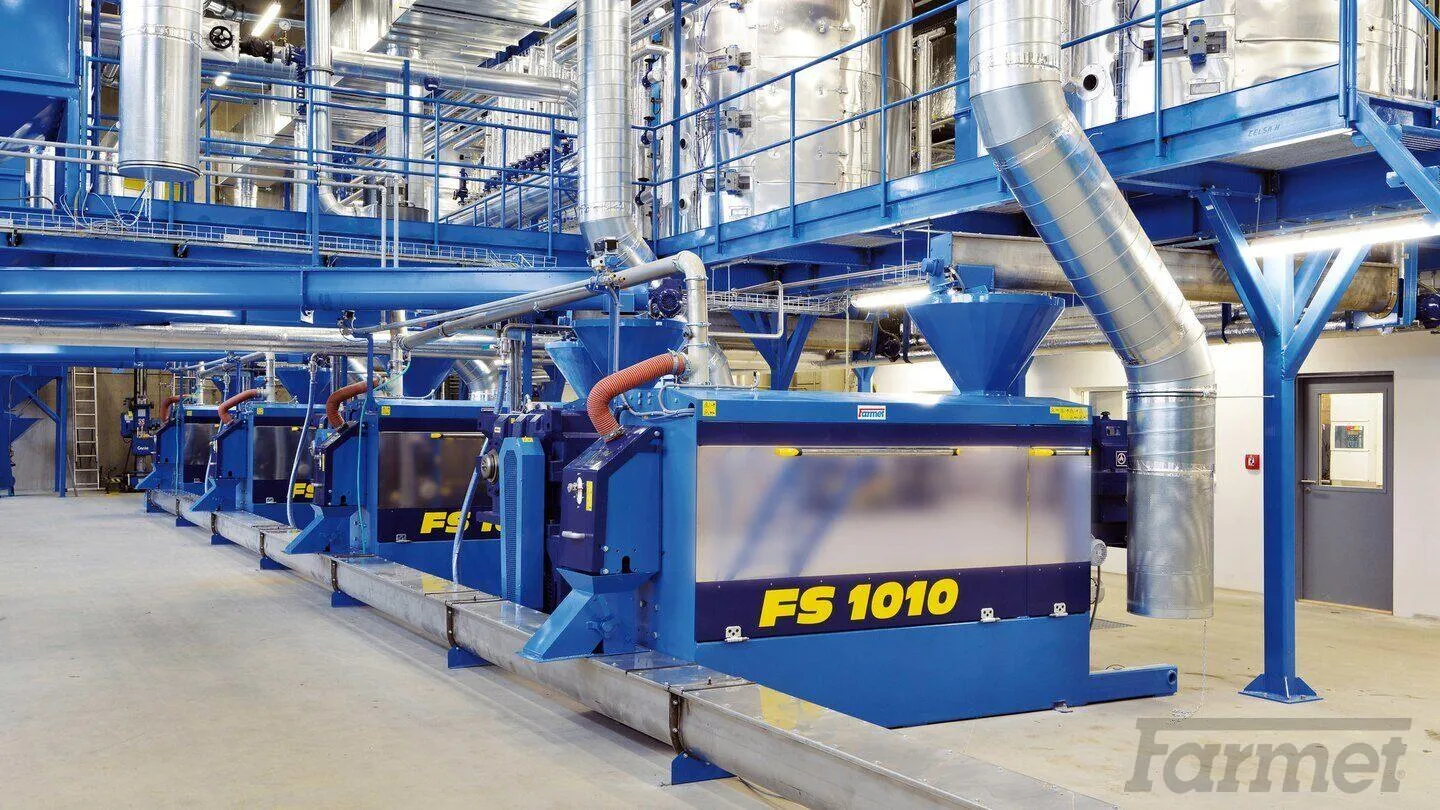
Dry ice production equipment is becoming more modular, efficient, and application-tailored. Manufacturers of production systems are enabling on-site and near-site generation, which reduces dependency on long-distance delivery and helps customers manage peak demand more reliably. At the same time, product form diversity—blocks, pellets, and sliced formats—continues to matter because different applications require different sublimation rates, handling characteristics, and packing densities. Suppliers that can offer flexible output formats and rapid response logistics gain an advantage in food processing, beverage handling, and cold-chain packaging, where downtime and temperature excursions carry high costs.
The practical implication is that technology leadership is shifting from pure production volume to service reliability and format agility. For buyers, this means evaluating suppliers not only on price per unit, but on consistency of supply, ability to match format to application, and responsiveness during demand spikes.
Policy and Regulatory Environment
Regulatory frameworks are a persistent influence on dry ice commerce. In the United States, dry ice is classified as a hazardous material under ground transport regulations, while international air shipments must comply with dangerous goods requirements that include specific packaging, labeling, and quantity constraints. Packaging must carry the proper shipping name, the UN number UN1845, and the net weight in kilograms. For air transport of non-dangerous goods such as food or medical samples, there are defined allowances per package, which shape how much dry ice can be used in a single shipment and how packaging is designed.
These rules create a compliance premium. Suppliers and logistics providers that can standardize compliant packaging, train handlers efficiently, and maintain documentation rigor reduce risk for their customers. At the same time, regulatory clarity can become a market access barrier for smaller players who lack the operational maturity to manage multimodal compliance consistently. The strategic opportunity lies in turning compliance into a competitive service: pre-qualified packaging solutions, clear labeling workflows, and predictable carrier coordination can differentiate a supplier in a market where many participants compete primarily on price.
Demand-Side Shifts in Food, Beverage, and Healthcare
Demand growth is being propelled by end-use sectors that depend on reliable temperature control. Food and beverage applications represent the largest share of demand, reflecting the need for cold-chain integrity during processing, preservation, and distribution. Healthcare applications, while smaller in absolute terms, are strategically significant because they often involve higher service expectations, stricter handling requirements, and willingness to pay for reliability. Industrial uses add a steady baseline of demand for cleaning, cooling, and specialized processing tasks.
A notable shift is the growing emphasis on single-use, dry ice-compatible shipping solutions that simplify logistics while meeting sustainability expectations. Recent product introductions in temperature-controlled packaging illustrate this direction: dry ice-compatible shipping boxes designed for single use, and cellulose-based insulation concepts for bulk shipments, are emerging as alternatives to traditional reusable or multi-material systems. These innovations matter because they address two concurrent pressures: the operational need for predictable thermal performance and the environmental desire to reduce waste and improve recyclability. For suppliers, partnering with packaging innovators or developing proprietary compatible packaging can deepen customer relationships and create recurring revenue streams beyond the commodity sale of dry ice itself.
Supply Chain and Cost Structure Dynamics
The cost and availability of carbon dioxide feedstock remain central to dry ice economics. Because a significant portion of food-grade dry ice is produced from captured CO2 associated with bioethanol and other industrial processes, regional supply concentration can create vulnerability. In markets where one or two sources account for a substantial share of CO2 availability, any operational disruption or trade-related shift can affect production continuity and pricing. Geopolitical and trade developments that influence bioethanol flows can therefore ripple into dry ice supply chains, particularly in regions heavily dependent on imported or concentrated CO2 sources.
This dynamic has two strategic consequences. First, it elevates the value of supply diversification and long-term feedstock arrangements for producers who can secure stable inputs. Second, it increases the importance of inventory management, regional distribution capacity, and contingency planning for customers who rely on dry ice for critical shipments. In practice, the companies that win are those that can combine feedstock security with flexible distribution and transparent communication during potential disruptions.
Competitive Landscape: Positioning, Differentiation, and Evolution
The competitive field includes global industrial gas and supply companies, regional dry ice specialists, and equipment manufacturers that enable decentralized production. This mix creates a market where scale, service, and specialization all play roles. Global players benefit from broad distribution footprints, integrated gas operations, and the ability to serve large food and beverage customers with consistent volume and compliance support. Regional and specialized suppliers often compete on responsiveness, local feedstock relationships, format flexibility, and deep knowledge of specific application requirements.
Several strategic positioning patterns are evident:
- Scale and supply reliability. Large suppliers leverage integrated operations and extensive logistics networks to offer dependable volume, which is especially valuable for customers with high throughput and low tolerance for disruption. Their differentiation often rests on consistency, safety processes, and the ability to support multimodal shipments with compliant packaging and documentation.
- Application-focused specialization. Some suppliers concentrate on food and beverage cold chains, emphasizing temperature-controlled packaging compatibility, handling expertise, and product formats suited to specific processes. This specialization can build sticky customer relationships where service quality and application knowledge matter more than marginal price differences.
- Equipment and decentralized production. Manufacturers of dry ice production equipment open a different pathway: enabling customers or regional partners to generate dry ice closer to the point of use. This model can reduce transportation costs and improve supply resilience, particularly where delivery distances are long or demand is intermittent. It also shifts the competitive dynamic from pure commodity supply to equipment sales, service contracts, and technical support.
The market is evolving through a combination of consolidation among scale players and ongoing entry by specialized and regional actors. Consolidation tends to strengthen supply reliability and compliance capabilities, while specialized entrants often fill niche needs in packaging compatibility, local distribution, or specific application formats. New entrants that bring innovative packaging, equipment, or service models can gain traction quickly if they address a clear pain point, such as reusable-to-single-use transitions, bulk shipment insulation, or on-site production for peak-demand environments.
PW Consulting
Recent product activity underscores the packaging and service dimension of competition. Single-use dry ice-compatible shipping boxes and sustainable insulation solutions for bulk shipments reflect a broader push toward logistics simplicity and environmental performance. These developments are not isolated product launches; they signal that the value chain is increasingly oriented around integrated solutions where dry ice, packaging, and handling protocols are optimized together. Suppliers that can coordinate across these elements are better positioned to capture share in applications where shipment integrity and regulatory compliance are paramount.
Future Trends: The Next Three to Five Years
Looking ahead, several trends are likely to shape the market’s evolution and create distinct commercial opportunities.
Trend 1: Integrated Cold-Chain Packaging as a Strategic Layer
Dry ice will increasingly be evaluated not as a standalone commodity, but as one component within an integrated temperature-controlled shipment system. Packaging design, insulation materials, labeling workflows, and handling training will matter more as customers seek to reduce risk and simplify compliance. This creates opportunities for suppliers and partners that can offer compatible packaging, documentation support, and application guidance alongside dry ice supply. The commercial upside lies in moving from transactional sales to solution-based relationships that improve reliability and reduce total cost of ownership for shippers.
Trend 2: Supply Resilience Through Diversification and Decentralization
Feedstock concentration risk will continue to encourage diversification strategies, including multi-source CO2 arrangements, regional production capacity, and on-site or near-site generation where economics justify it. Customers in food, beverage, and healthcare applications will increasingly favor suppliers that can demonstrate contingency planning and consistent fulfillment during supply stress. The opportunity is for producers and distributors to build resilient networks that balance central scale with local responsiveness, and for equipment providers to expand adoption of decentralized production in targeted segments.
Trend 3: Compliance as a Competitive Service
Regulatory requirements for ground and air transport will remain a permanent feature of dry ice commerce. Companies that institutionalize compliant packaging, clear labeling, and carrier coordination will reduce friction for customers and differentiate themselves in a market where many participants compete on price. Over the next few years, compliance capability is likely to become a more explicit criterion in supplier selection, especially for cross-border shipments and healthcare-related applications. The strategic implication is that investment in training, standardized packaging, and documentation processes can yield both risk reduction and commercial advantage.
These trends carry potential risks. Feedstock disruption, trade policy shifts affecting CO2 sources, and evolving dangerous goods regulations can introduce volatility. Packaging innovation may also create new trade-offs between thermal performance, recyclability, and cost. Participants should monitor regulatory updates, feedstock availability, and packaging standardization trends closely, and build flexibility into their supply and service models.
Strategic Implications for Decision Makers
The dry ice market’s expansion to 2032 offers tangible opportunities, but capturing them requires deliberate positioning. The following recommendations are tailored to different stakeholder groups.
For Manufacturers and Suppliers
- Invest in format flexibility and distribution responsiveness to match application needs and reduce the cost of supply interruptions.
- Develop or partner with compatible packaging solutions that simplify compliance and improve thermal reliability for end users.
- Strengthen feedstock diversification and contingency planning to protect service continuity in regions with concentrated CO2 supply.
- Position compliance support—labeling, documentation, multimodal handling—as a value-added service that differentiates your offering beyond unit price.
For Investors
- Evaluate exposure not only to dry ice production volume, but to integrated cold-chain solutions, packaging compatibility, and equipment-enabled decentralized production.
- Prioritize companies with demonstrated supply resilience, clear compliance capabilities, and strong relationships in food, beverage, and healthcare segments where reliability commands premium value.
- Watch for consolidation patterns that strengthen scale and service, as well as specialized entrants that create new packaging or equipment-driven entry points.
For Procurement and Logistics Leaders
- Assess suppliers on total shipment reliability, including compliant packaging, handling support, and contingency response, rather than price alone.
- Consider regional or near-site production options where delivery distance, peak demand, or feedstock risk makes centralized supply less resilient.
- Align packaging and dry ice specifications early in the procurement process to reduce compliance friction and improve thermal performance across transport modes.
The market’s trajectory suggests that the most valuable intelligence is granular: segment-level demand patterns, regional supply dynamics, packaging and compliance trends, and company-specific strategic moves. Decision makers who supplement broad market awareness with detailed segmentation and customized scenario analysis will be better equipped to time investments, negotiate contracts, and manage risk. For organizations seeking a deeper view of subsegments, regional nuances, and competitive positioning, the full PW Consulting study provides detailed data and tailored recommendations to support planning and execution.
Ice Cream Market
Dry ice is no longer just a commodity enabler of cold chains; it is increasingly a strategic component of temperature-controlled logistics, shaped by packaging innovation, regulatory rigor, and supply resilience. Companies that understand these forces—and act on them with clear operational and commercial priorities—will be best positioned to capture value as the market moves toward 2032.
Dry Ice Machine Market
For detailed analysis of this topic, please visit the official page: Dry Ice Market
Lacy Lee
Senior Marketing Manager
[email protected]
PW Consulting: www.pmarketresearch.com





























Sign in to leave a comment.