
Choosing an early childhood centre is an important decision for parents. The early years of a child's life provide valuable opportunities to develop social, emotional, physical, and communication skills while building confidence and a lifelong love of learning.
For Auckland families, finding an early childhood centre in Auckland that provides a safe, welcoming, and stimulating environment can help children feel comfortable as they begin their learning journey. A quality early learning centre should support each child's individual interests, encourage curiosity, and create strong connections between children, teachers, families, and the wider community.
1. Why Early Childhood Education Matters
Early childhood education provides children with opportunities to learn and grow through meaningful experiences. It is not simply about preparing children for school; it is about supporting their overall development during some of the most important years of their lives.
At a good early childhood centre, children can develop:
- Communication and language skills
- Social and emotional confidence
- Independence and problem-solving abilities
- Physical coordination and movement skills
- Creativity and imagination
- Positive relationships with others
- Curiosity and a love of learning
A supportive early learning environment allows children to explore at their own pace while receiving encouragement and guidance from experienced teachers.
2. What Children Learn at an Early Childhood Centre
Children learn through everyday experiences, interactions, exploration, and play. An effective early childhood programme provides opportunities for children to investigate the world around them and develop skills naturally.
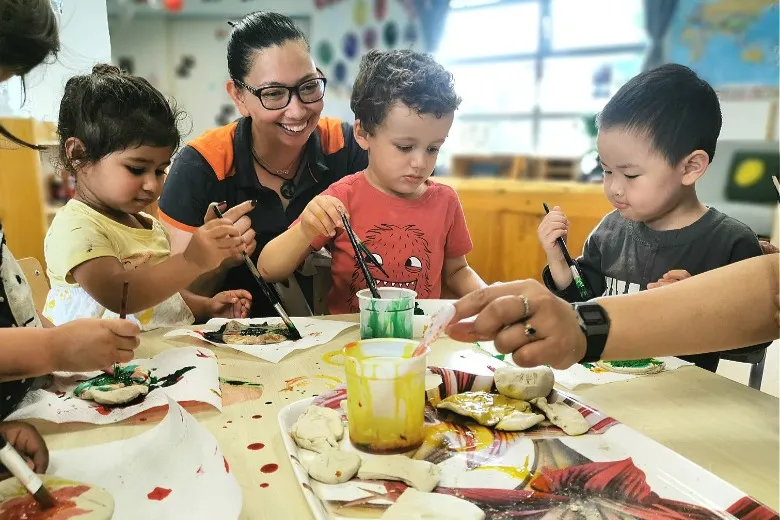
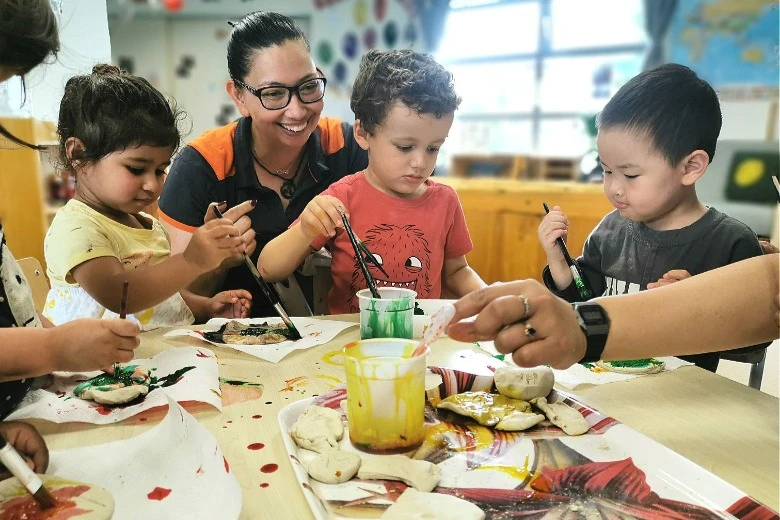
Activities may include storytelling, music, art, sensory experiences, outdoor exploration, construction, imaginative play, and group activities. These experiences can help children develop both practical skills and confidence.
Learning is also connected to children's individual interests. When children are encouraged to explore topics that capture their attention, they can become more engaged and motivated to discover new things.
3. The Importance of Play-Based Learning
Play is an essential part of early childhood development. Through play, children can experiment, make decisions, communicate with others, solve problems, and express their ideas.
For example, building with blocks can introduce concepts such as balance, shape, and spatial awareness. Pretend play can encourage communication and imagination, while outdoor activities can support physical development and coordination.
Play also gives teachers opportunities to observe children's interests and understand how they learn. These observations can help teachers plan experiences that extend children's learning and encourage further exploration.
4. What Parents Should Look for in an Auckland Early Childhood Centre
Every family has different needs, so it is important to consider what matters most to you and your child when choosing an early childhood centre in Auckland.
Parents may want to consider:
A welcoming environment
Children should feel comfortable, valued, and respected when they arrive at the centre. A warm environment can make the transition into early childhood education easier.
A child-focused programme
Look for a centre that recognises children as individuals and provides opportunities for them to follow their interests and develop at their own pace.
Opportunities for indoor and outdoor learning
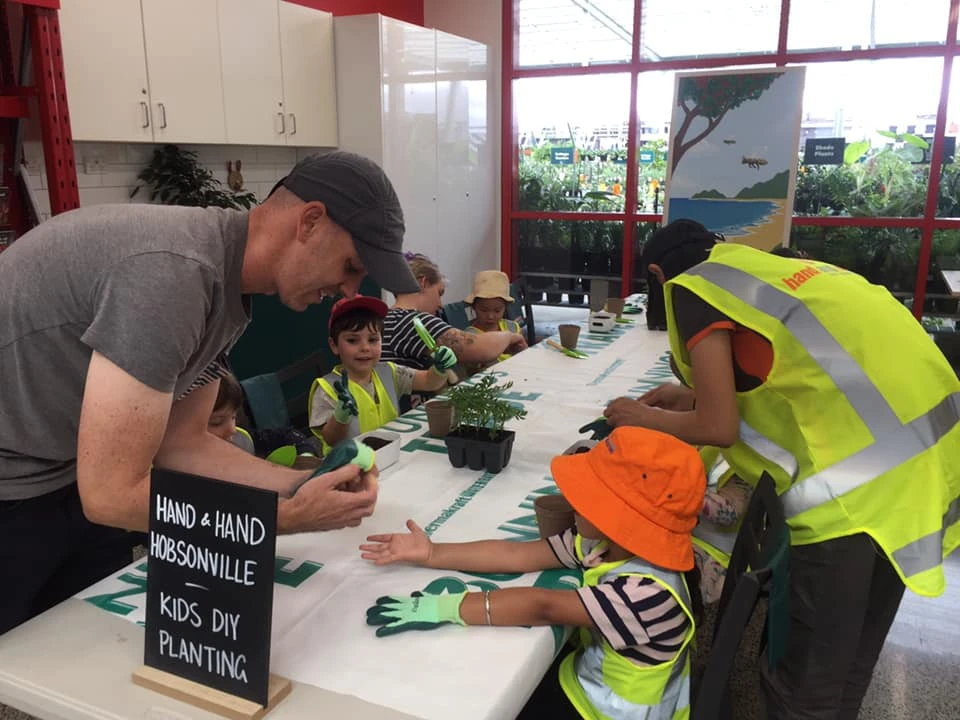
Children benefit from having access to different environments where they can explore, move, create, and investigate.
Strong teacher-child relationships
Positive relationships with teachers can help children develop confidence and feel secure within the learning environment.
Communication with families
Regular communication helps parents understand their child's experiences, interests, and development.
5. Safe, Nurturing and Stimulating Learning Environments
Children learn best when they feel safe and secure. An early childhood centre should provide an environment where children can explore confidently while receiving appropriate supervision and support.
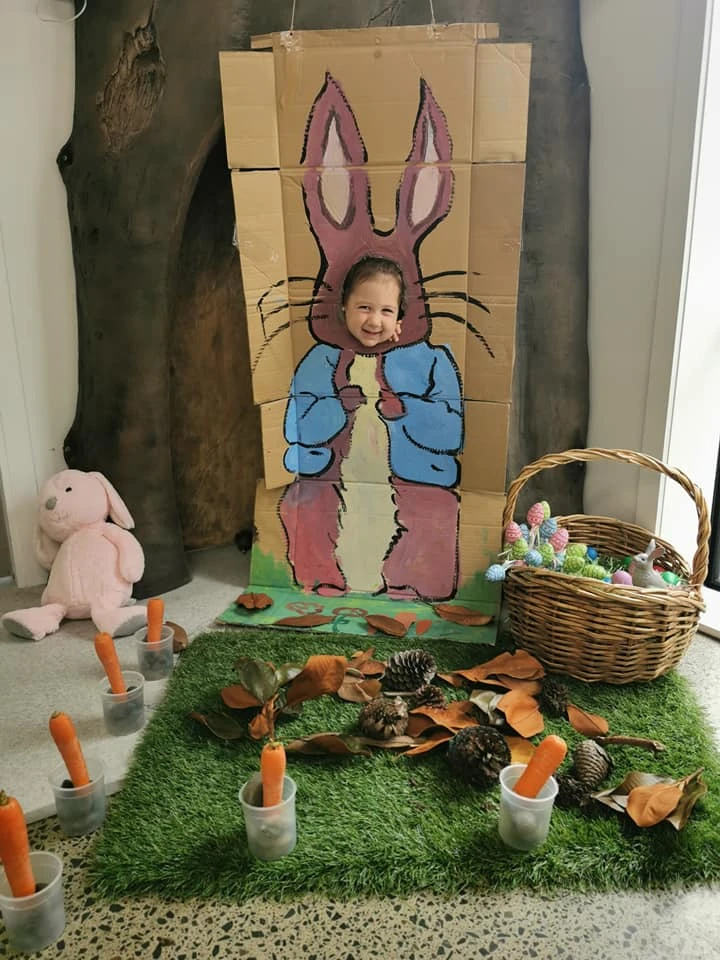
A stimulating environment can include age-appropriate resources, creative materials, books, natural elements, and spaces designed for different types of play.
The physical environment is only one part of creating a nurturing centre. The way teachers communicate with children is equally important. Respectful interactions, encouragement, patience, and genuine interest in children's ideas can help create a positive learning atmosphere.
6. Qualified and Caring Teachers
Teachers play an important role in children's early learning experiences. Beyond teaching activities, early childhood educators observe children, encourage their interests, support relationships, and help children develop confidence and independence.
Caring teachers take time to understand each child's personality, interests, strengths, and needs. They can then create meaningful learning experiences that encourage children to participate and explore.
When children develop trusting relationships with their teachers, they can feel more confident asking questions, trying new activities, communicating their ideas, and interacting with others.
7. Family and Whānau Partnerships
Early childhood education works best when families and teachers work together. Parents and whānau know their children well, while teachers can provide insights into children's experiences within the centre.
Open communication can help create consistency between home and the early learning environment. Sharing children's interests, achievements, routines, and experiences can help teachers provide more personalised learning opportunities.
A strong partnership also helps children see that the important adults in their lives are working together to support their learning and wellbeing.
8. Why Te Whāriki Matters in New Zealand Early Learning
For families choosing an early childhood centre in Auckland, understanding Te Whāriki can be helpful. Te Whāriki is New Zealand's early childhood curriculum and provides a framework for supporting children's learning and development.
The curriculum is based around principles and strands that recognise children's wellbeing, belonging, contribution, communication, and exploration.
Rather than treating learning as a one-size-fits-all process, Te Whāriki supports a holistic approach where children's relationships, cultures, interests, experiences, and individual development are valued.
This approach can help children build confidence as learners while developing positive relationships with their teachers, peers, families, and communities.
9. Why Choose Hand and Hand Early Learning Centre?
For families looking for an early childhood centre in Auckland, Hand and Hand Early Learning Centre provides an environment designed to encourage children's curiosity, creativity, and development.
Hand and Hand Early Learning Centre follows Te Whāriki and draws inspiration from the Reggio Emilia philosophy. The centre focuses on children's interests and encourages them to explore, investigate, create, and express their ideas.
A child-centred approach can give children opportunities to become active participants in their own learning. Through meaningful experiences and supportive relationships, children can develop confidence while building skills that support their future learning.
Parents considering an early childhood centre can visit the centre, meet the teaching team, explore the learning spaces, and ask questions about the centre's approach to children's learning and wellbeing.
10. Conclusion
Choosing the right early childhood centre in Auckland is about finding a place where your child feels safe, respected, supported, and encouraged to learn.
The right environment can provide much more than daily activities. It can help children develop independence, confidence, communication skills, creativity, and positive relationships while giving them opportunities to explore the world around them.
For parents, taking time to understand a centre's educational philosophy, learning programme, teachers, environment, and approach to family partnerships can make the decision easier.
With a nurturing and child-focused approach, Hand and Hand Early Learning Centre aims to provide children with meaningful opportunities to learn, explore, create, and grow during their early years.
























Sign in to leave a comment.