

Quick answer: The early signs of low testosterone in men are usually low energy, lower sex drive, weaker or fewer erections, a flatter mood, and trouble building or keeping muscle. They come on slowly and are easy to blame on stress or age. A morning blood test is the only way to know for sure.
Reviewed by Dr. Daniel Benhuri, MD. Last updated September 2026.

Alt text: Man in his forties sitting on the edge of his bed in the morning, tired, rubbing his eyes
Most men don't notice low testosterone. They notice that the gym stopped working. Or that they fall asleep on the sofa at nine. Or that their partner mentioned, carefully, that things have been quiet in bed for a while.
None of that screams "hormone problem". Which is exactly why it gets missed. Men's testosterone drops slowly, roughly one percent a year after 30, so there is no single bad week to point at. Just a slow slide that gets written off as age.
It isn't always age. And when it is low, it's one of the more fixable things a man can have. Here is what to look for, why it happens, and what to do about it.
Key early symptoms
The first signs are vague, which is the problem. Any one of these on its own could be a dozen things. Three or four together, building over months, is a pattern worth testing.
Energy goes first. Not the tiredness you fix with a weekend off. A flat, heavy sort of tired that's there at breakfast and hasn't moved by dinner.
Sex drive drops. This is the one men do notice and the one they least want to talk about. Fewer spontaneous thoughts about sex, less interest when the opportunity is there.
Erections change. Fewer morning erections are a classic early sign. Erections that are harder to get or don't last can follow. Testosterone isn't the only thing behind erections, so this alone doesn't confirm anything, but it fits the picture.
Mood flattens. Irritable for no reason. Less motivated. Some men describe it as the color draining out of things. It can look a lot like mild depression, and sometimes it is both.
Body composition shifts. Harder to build muscle, easier to gain fat around the middle, even when training and eating haven't changed.
Sleep and focus suffer. Broken sleep, brain fog, losing the thread in meetings. Poor sleep and low testosterone feed each other.
Primary vs secondary causes
Testosterone is made in the testes, but the order to make it comes from the brain. Two small glands, the hypothalamus and the pituitary, send the signal. Low testosterone happens when either end of that chain fails, and it matters which one.

Alt text: Diagram showing the brain sending a signal to the testes, with primary causes at the testes and secondary causes at the signal
Primary means the testes can't make enough, even though the brain is asking. Causes include injury, infection such as mumps after puberty, chemotherapy or radiation, some genetic conditions, and plain ageing of the tissue. On a blood test, testosterone is low but the signalling hormones, LH and FSH, are high.
Secondary means the testes are fine but the signal is weak. This is the more common type in men under 60 and it's the one lifestyle affects most. Obesity, untreated sleep apnea, type 2 diabetes, opioids, heavy drinking and chronic stress all dampen the signal. So does past use of anabolic steroids, which shuts the brain's own production down. On a blood test, testosterone is low and LH and FSH are low or normal too.
The distinction changes the treatment. If the testes still work and the signal is the problem, a drug like enclomiphene, prescribed off label, can boost the brain's own signal and preserve fertility. If the testes have stopped, that approach won't do much and replacement testosterone is the usual route. This is why nobody should start testosterone therapy online or anywhere else without the second set of numbers.
Diagnosis and next steps
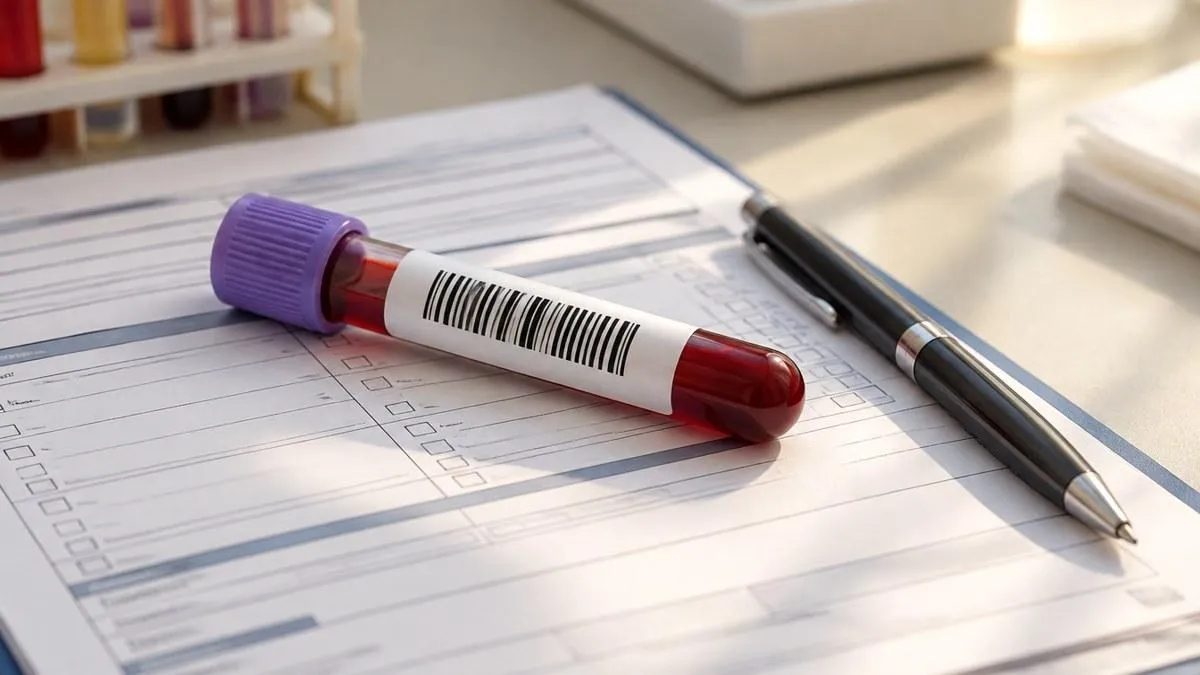
Alt text: Blood sample tube on a lab form with a pen, morning light
One symptom checklist is not a diagnosis. Neither is one blood test.
The standard approach is a total testosterone drawn between 7 and 10 in the morning, when levels peak, repeated on a second day to confirm. The main guidelines put the low line somewhere between 264 and 300 ng/dL, though the number that matters is yours against your symptoms, not a cut-off in isolation. A good panel also includes free testosterone, LH and FSH to sort primary from secondary, plus a PSA and a full blood count before any treatment is considered.
If the numbers come back low, the next question is why. Sleep apnea, weight, diabetes and medications get looked at first, because fixing those sometimes brings levels back on their own. Where treatment is needed, the choice is between raising your own production or replacing it. That depends on the cause, your age, and whether you want children.
Low testosterone treatment is straightforward once the diagnosis is right. Getting the diagnosis right is the part that takes a doctor. If the symptoms above sound familiar, get tested before you get treated. Every Ion runs the full panel first and a licensed physician reads the results before any prescription is written.
This article is for educational purposes only. It is not medical advice and does not replace an evaluation by a qualified healthcare professional.
Sources
1. Endocrine Society. Testosterone Therapy in Men With Hypogonadism: An Endocrine Society Clinical Practice Guideline. J Clin Endocrinol Metab. 2018;103(5):1715-1744. Link
2. American Urological Association. Evaluation and Management of Testosterone Deficiency Guideline, 2018, amended 2024. Link




























Sign in to leave a comment.