


Cancer is one of the leading causes of death in the Philippines, but many cancers become much more treatable when they’re detected early. The challenge is that early warning signs are often mild and easy to dismiss as stress, aging, or a minor illness. Philippine health authorities continue to emphasize that recognizing symptoms early and seeking timely medical evaluation can improve treatment outcomes and quality of life.
This guide explains the 12 early signs of cancer, when you should see a doctor, and what screening tests are recommended for adults in the Philippines.
Important: Having one or more of these symptoms does not mean you have cancer. Many non-cancerous conditions can cause similar symptoms. Persistent or unexplained symptoms should always be evaluated by a qualified healthcare professional.
Why early detection matters
According to Philippine clinical practice guidelines, cancers such as breast, lung, colorectal, prostate, cervical, and liver cancer are among the most common in the country. Early diagnosis allows treatment to begin before the disease becomes advanced, often improving survival and reducing the need for more aggressive treatment.
12 early signs of cancer you shouldn’t ignore
1. Unexplained weight loss
Losing 5 kg or more without changing your diet or exercise routine can be an important warning sign. While weight loss has many possible causes, it deserves medical attention when it happens unexpectedly.
Seek medical advice if:
- Weight continues to drop over several weeks.
- You also experience fatigue or loss of appetite.
- Clothes suddenly become noticeably loose.
2. Extreme fatigue that doesn’t improve
Everyone feels tired sometimes, but cancer-related fatigue is different. It often persists despite adequate sleep and can interfere with daily activities.
Possible accompanying symptoms include:
- Weakness
- Shortness of breath
- Pale skin
- Reduced ability to perform normal tasks
3. A lump or swelling anywhere on the body

A new lump in the breast, neck, armpit, groin, or testicles should never be ignored. Many lumps are benign, but persistent swelling requires examination.
See a doctor if the lump:
- Lasts more than 2–3 weeks
- Grows larger
- Feels hard or fixed
- Is associated with pain or skin changes
4. Persistent cough or hoarseness
A cough lasting more than three weeks especially with blood, chest pain, or unexplained weight loss may require further investigation. This is particularly important for smokers, former smokers, and people exposed to secondhand smoke.
5. Changes in bowel habits
Ongoing constipation, diarrhea, or narrower stools may indicate problems affecting the colon or rectum.
Watch for:
- Blood in stool
- Persistent abdominal discomfort
- Feeling that the bowel doesn’t empty completely
- Symptoms lasting several weeks
Colorectal cancer is considered one of the most preventable cancers when detected early, and screening from age 45 is recommended for many adults.
6. Blood in urine or stool
Visible blood should always be evaluated, even if it appears only once. While hemorrhoids and urinary infections are common causes, cancer is one possibility that doctors need to rule out.
7. Unusual bleeding
Women should seek medical advice for:
- Bleeding after menopause
- Bleeding between periods
- Unusually heavy menstrual bleeding
Men should also seek evaluation for any unexplained bleeding from the urinary or digestive tract.
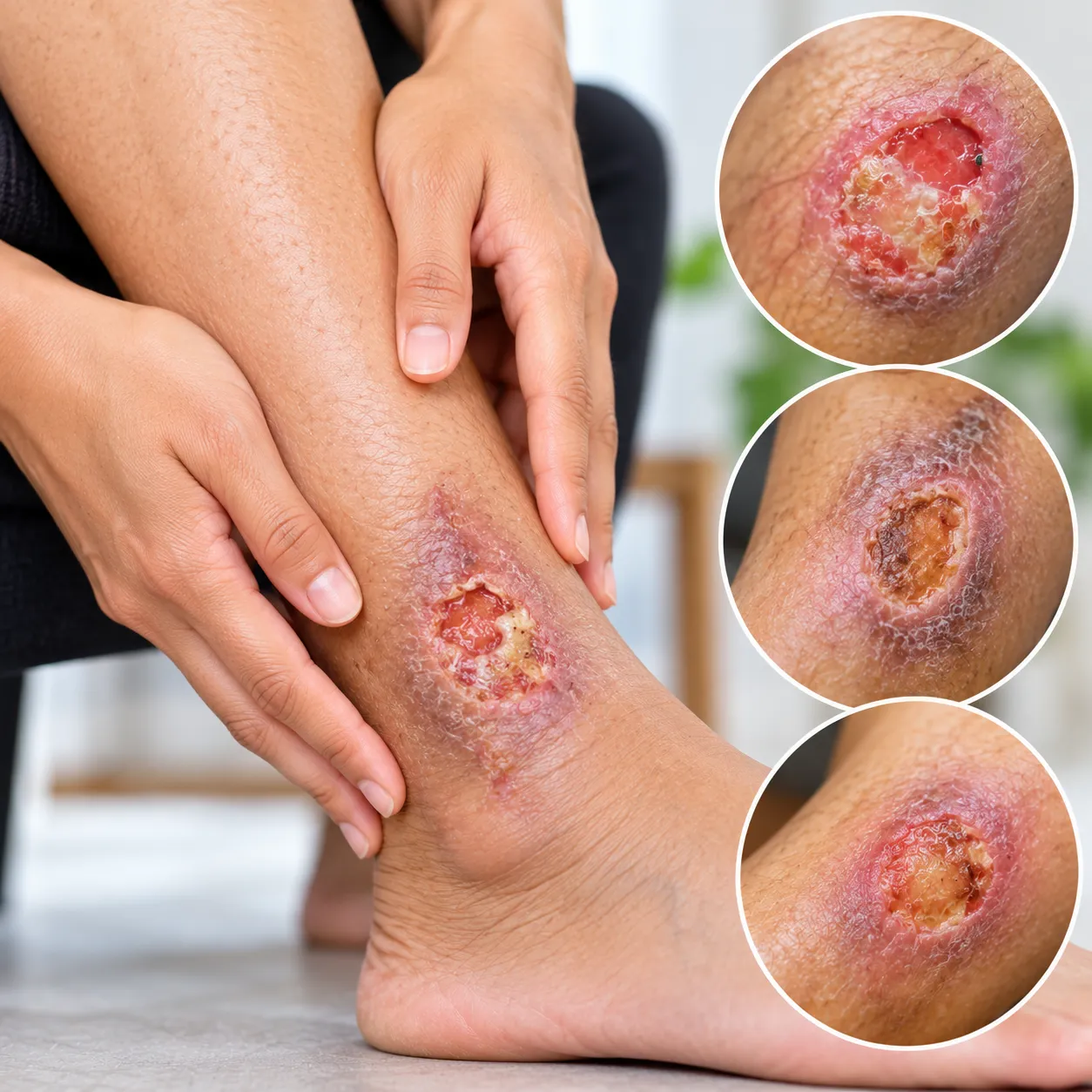
8. A sore that doesn’t heal

Mouth ulcers, skin sores, or wounds lasting more than three weeks deserve professional assessment. This is especially important for tobacco and alcohol users, who have a higher risk of oral cancer.
9. Difficulty swallowing
Persistent trouble swallowing food or liquids may be linked to conditions affecting the throat or esophagus and should not be ignored when it continues.

10. Changes in moles or skin
Use the ABCDE rule for moles:

11. Persistent pain
Pain that continues for weeks without an obvious injury, especially bone pain, abdominal pain, or headaches should be discussed with a healthcare provider.
12. Night sweats or recurring fever
Frequent unexplained fever or drenching night sweats may indicate infection, autoimmune disease, or certain cancers. Persistent symptoms warrant medical evaluation.
Early signs of cancer in women
Women should pay particular attention to:
- New breast lump
- Nipple discharge
- Skin dimpling of the breast
- Bleeding after menopause
- Persistent bloating
- Pelvic pain lasting several weeks
Breast and cervical cancers remain major priorities for early detection in the Philippines.
Early signs of cancer in men
Men should not ignore:
- Difficulty urinating
- Blood in urine
- Persistent cough
- Testicular lump
- Unexplained weight loss
- Bone pain
Prostate and lung cancers are among the more common cancers affecting Filipino men.
When should you see a doctor?
Don’t wait for symptoms to become severe.
Book a medical consultation if symptoms last longer than 2–3 weeks
Persistent symptoms deserve evaluation even if they seem mild.
Seek urgent care for blood in stool, blood in urine, or coughing blood
These symptoms should never be ignored.
See a doctor immediately if a lump grows quickly
Especially if it’s hard, fixed, or associated with skin changes.
Don’t self-diagnose using internet symptoms alone
A physical examination and appropriate tests are essential.
Early consultation doesn’t mean you’ll receive a cancer diagnosis, it means you’ll receive the right evaluation.
Cancer screening recommendations in the Philippines
The latest Philippine guidelines recommend screening for specific cancers based on age and risk factors.

Always discuss your personal and family history with your physician, as some people need screening earlier than the general recommendation.
Can cancer be prevented?
While not all cancers are preventable, lifestyle changes can significantly reduce risk.
Healthy habits that matter
- Stop smoking and avoid secondhand smoke.
- Maintain a healthy body weight.
- Exercise regularly.
- Eat more fruits, vegetables, and whole grains.
- Limit alcohol consumption.
- Attend recommended cancer screening appointments.
The Department of Health continues to promote prevention, awareness, and early detection as the most effective public health strategies against cancer.
How LetsMeds supports cancer patients in the Philippines
A cancer diagnosis can be emotionally and financially overwhelming. After diagnosis and treatment planning by an oncologist, many Filipino families begin searching for affordable specialty cancer medicines.
LetsMeds helps patients across the Philippines access quality generic and specialty oncology medicines from trusted manufacturers, with nationwide delivery and support throughout the ordering process. The goal is not to replace your doctor but to make prescribed treatment more accessible and affordable.
Frequently Asked Questions
What is usually the first sign of cancer?
There isn’t one universal first symptom. Common early signs include unexplained weight loss, persistent fatigue, a new lump, ongoing cough, unusual bleeding, and changes in bowel habits.
How long should I wait before seeing a doctor?
If a symptom persists for more than 2–3 weeks or worsens over time, schedule a medical evaluation. Seek immediate care for significant bleeding or coughing blood.
Can young adults develop cancer?
Yes. Although cancer becomes more common with age, it can occur in younger adults. Persistent or unexplained symptoms should never be ignored regardless of age.
Which cancers are most common in the Philippines?
Breast, lung, colorectal, liver, and prostate cancers are among the most frequently diagnosed cancers in the Philippines.
Conclusion
Recognizing the early signs of cancer could make a life-changing difference. Symptoms such as unexplained weight loss, persistent cough, unusual bleeding, lasting fatigue, or a new lump should never be ignored, especially when they continue for several weeks.
Early detection saves lives. If you or a loved one experiences persistent warning signs, consult a qualified healthcare professional promptly. Timely diagnosis opens the door to more effective treatment and better outcomes for Filipino patients.
Medical disclaimer: LetsMeds supplies oncology medicines only after appropriate medical consultation. This article is for educational purposes and should not be used as a substitute for professional medical advice, diagnosis, or treatment.




























Sign in to leave a comment.