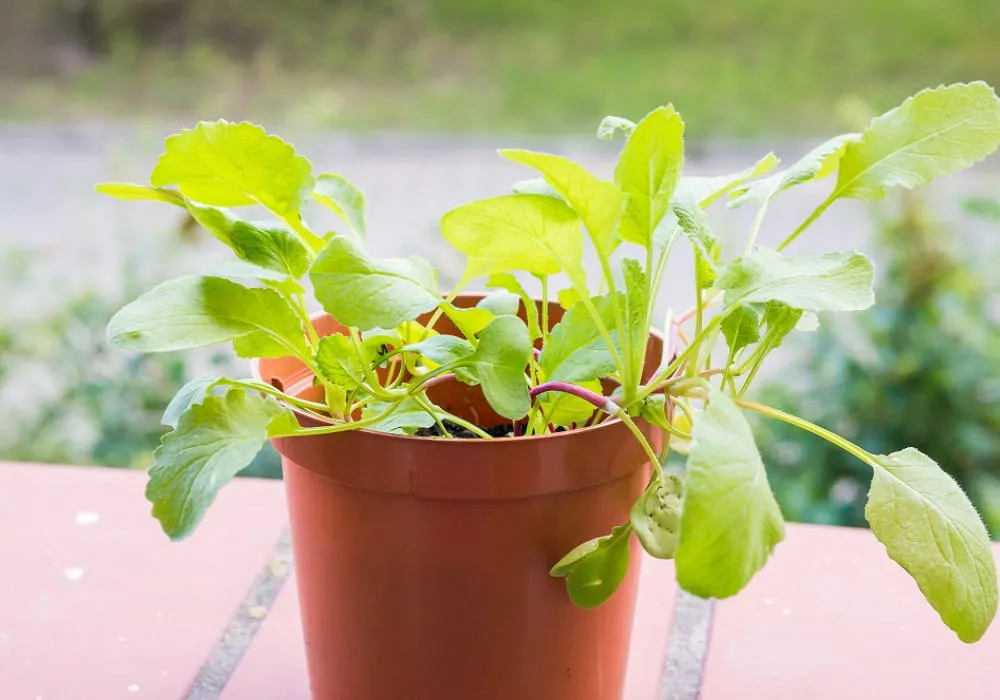

You don't have to give up your passion for gardening just because you live in a small house. A balcony, terrace corner, windowsill, entrance area, or even a small courtyard can become a green and refreshing space with the right planning. Container gardening ideas for small spaces make it possible to grow flowers, herbs, vegetables, and decorative plants without needing a traditional garden bed.
The best part is that container gardening is flexible. You can move pots when needed, change the arrangement, and choose plants according to the amount of sunlight available.
1. Use Different-Sized Pots
Using pots of different sizes is one of the easiest ways to make a small garden look interesting. To create a layered design, put smaller containers in front and larger ones at the back.
Deep pots work well for plants with larger root systems, while shallow containers can be used for herbs and some leafy greens. Before choosing a pot, consider the plant's mature size rather than its current size.
Make sure every container has drainage holes. Excess water cannot remain near the roots if there is adequate drainage.
2. Grow Plants Vertically
When floor space is limited, look upward. Vertical gardening can help you grow more plants while using very little ground area.
Climbing plants such as cucumber, beans, peas, and some flowering vines can be trained on trellises or simple supports. Wall-mounted planters, hanging pots, and vertical shelves can also make use of otherwise empty spaces.
A vertical setup is especially useful for balconies and narrow terraces because it keeps the walking area clear while adding plenty of greenery.
3. Try Hanging Containers
Hanging baskets are a practical solution when there is very little floor space. They can be placed from suitable ceiling hooks, railings, or strong support structures.
Trailing plants such as money plant, petunias, portulaca, and certain ornamental vines can look attractive in hanging containers. Herbs can also be grown in hanging pots when their light and watering needs are properly managed.
Just make sure the hanging structure is strong enough to support the container, soil, and water.
4. Grow Herbs in Compact Containers
A small container garden can become useful as well as beautiful. Herbs such as coriander, mint, basil, curry leaves, and green chilli can be grown in suitable pots.
Keep frequently used herbs close to the kitchen so harvesting becomes convenient. Mint should generally have its own container because it can spread quickly.
Growing herbs at home also allows you to pick small amounts when needed instead of storing large quantities bought from the market.
5. Reuse Suitable Household Containers
Starting a container garden doesn't always require pricey planters. Old buckets, wooden boxes, large food containers, and other suitable household items can sometimes be reused as planters.
Clean them properly and make enough drainage holes before adding soil. Avoid containers that previously held harmful chemicals or substances unsuitable for gardening.
A mix of traditional pots and reused containers can give a small garden a more personal and creative appearance.
6. Choose Plants According to Sunlight
One of the most important parts of container gardening is understanding how much sunlight your space receives.
Observe your balcony, terrace, or window area during the day. Some vegetables and flowering plants need several hours of direct sunlight, while certain foliage plants can manage with less.
Do not choose plants only because they look attractive. Select varieties that match your available light, temperature, and space. This simple step can make plant care much easier.
For more useful ways to build healthy gardening habits at home, you can also explore tips for gardening at home.
7. Create a Simple Watering Routine
Plants grown in containers can dry out faster than plants growing in the ground, especially during hot weather. Overwatering, however, can be detrimental.
Check the soil with your finger before watering. If the top layer feels dry, the plant may need water. During cooler or rainy periods, watering may need to be reduced.
Grouping plants with similar water requirements can make daily maintenance easier and prevent some plants from receiving too much or too little moisture.
Make Small Spaces Feel Greener
It is not necessary for a tiny container garden to be crowded. Leave enough space between pots for air movement and easy maintenance. Use plant stands, shelves, railing planters, and vertical supports to organize the area neatly.
You can also combine vegetables, herbs, flowers, and foliage plants to create variety. A few well-maintained containers often look better than a large collection that is difficult to manage.
Learn how your plants react to your area by starting with a modest number. Once you become comfortable with watering, sunlight, pruning, and feeding, you can gradually expand the garden.
Conclusion
Container gardening is a simple way to bring greenery into homes where space is limited. With smart placement, vertical supports, hanging planters, and suitable plant choices, even a small balcony or terrace can become a productive garden.
The key is not to use more pots, but to use your available space wisely. Choose plants according to their needs, provide proper drainage and sunlight, and maintain them regularly. With a little creativity, small spaces can become beautiful, useful, and relaxing green corners.
FAQs
What can I grow in a small container garden?
You can grow herbs, leafy vegetables, flowers, chilli, tomatoes, beans, and many decorative plants, depending on the available light and container size.
Are container gardens suitable for balconies?
Yes. Balconies can be excellent places for container gardening when pots are placed safely and plants receive suitable sunlight and ventilation.
Which containers are best for small-space gardening?
Clay pots, grow bags, plastic containers, wooden planters, and suitable reused containers can all work when they provide enough space and proper drainage.
How do I save space in a container garden?
Use vertical supports, hanging baskets, wall planters, shelves, railing planters, and plants with compact growth habits to make better use of limited space.
How often should container plants be watered?
There is no single schedule for every plant. Check the soil and consider the weather, container size, plant type, and sunlight before watering.





















Sign in to leave a comment.