Eco Friendly Apparel Labels for Sustainable Fashion

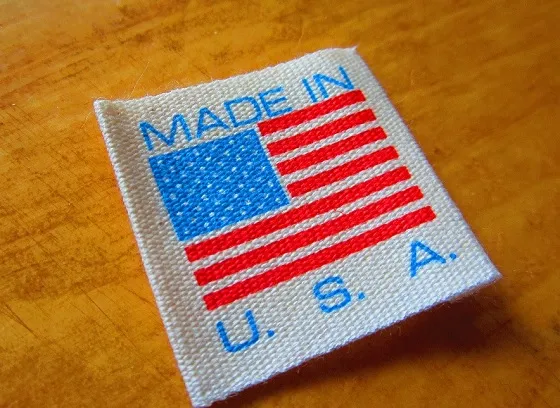

Clothing manufacturers, fashion designers, and retailers are increasingly exploring more responsible material choices, making it important to understand how Eco Friendly Apparel Labels can support sustainable clothing production. Clothing labels provide essential information about a garment, including its size, fabric composition, washing instructions, and brand identity. By choosing suitable materials and production methods, businesses can reduce unnecessary waste while maintaining the quality, readability, and durability of their labels. Sustainable labeling involves more than selecting a material described as environmentally friendly. It requires understanding how materials are sourced, how labels are manufactured, and whether the finished product can be reused, recycled, or disposed of appropriately. Learning about these factors helps businesses make informed decisions that align with their environmental objectives and practical production requirements.
What Are Eco Friendly Apparel Labels?
Eco-friendly apparel labels are garment labels and clothing tags designed with consideration for their environmental impact. They may use recycled fibers, organic cotton, responsibly sourced paper, or other materials intended to reduce dependence on virgin resources. Their construction and printing methods can also influence how much waste is generated during manufacturing.
These labels serve the same essential purposes as conventional labels. They communicate garment information, help consumers understand care instructions, and identify important product details. However, their environmental performance depends on several factors, including material composition, processing methods, durability, transportation, and disposal.
Common Materials Used in Sustainable Labels
Organic cotton is one option for clothing labels because it is a natural fiber produced according to specified agricultural standards. Recycled cotton offers another possibility by making use of recovered textile fibers. Recycled polyester is also used in some woven labels because it incorporates recovered polyester resources rather than relying entirely on newly produced material.
Paper labels made from recycled or responsibly sourced paper are commonly considered for hang tags and packaging. However, coatings, inks, strings, and adhesives can affect their recyclability. Businesses should therefore evaluate the complete label rather than considering only its main material.
Why Sustainable Clothing Labels Matter
Clothing labels may be small, but fashion businesses often require thousands of them for a single collection. Material selection can influence resource consumption, manufacturing waste, and purchasing requirements. Choosing suitable materials and ordering appropriate quantities can help businesses manage these impacts more effectively.
Reducing Waste and Resource Consumption
Using recycled materials may reduce demand for virgin resources, although the overall benefit depends on the manufacturing process and the material involved. Accurate production planning can also help prevent excess inventory and discarded labels. When businesses standardize label sizes across suitable products, they may reduce material waste and simplify ordering.
Reviewing label designs before production is another useful practice. Clear artwork approval, sample testing, and accurate specifications can help prevent printing mistakes that would otherwise require replacement orders.
Improving Consumer Information
Labels help consumers understand how to care for clothing and identify its material composition. Clear washing instructions may help people maintain their garments for longer, reducing premature damage and unnecessary replacement.
Environmental claims should always be accurate and supported by evidence. A label containing recycled fibers should not automatically be described as biodegradable or completely recyclable. Each claim requires appropriate verification.
Understanding Eco Friendly Custom Labels
Eco Friendly Custom Labels allow clothing businesses to select materials, dimensions, printing methods, and finishing details according to their products. Customization can support sustainability when it focuses on practical requirements, reduces unnecessary components, and avoids finishes that interfere with recycling.
For example, a clothing brand may select a soft woven label for a frequently washed garment or a recycled-paper hang tag for product information. The right choice depends on the garment's intended use, comfort requirements, production budget, and available recycling systems.
Choosing the Right Label Construction
Woven labels are produced by weaving threads together to create text, symbols, or designs. They are often selected for their durability and suitability for detailed branding. Printed fabric labels apply ink to a material surface and can accommodate different designs, including detailed care instructions.
Heat-transfer labels are applied directly to fabric and can eliminate the need for a separate sewn-in tag. However, their adhesives, films, and printing formulations should be assessed for comfort, durability, and compatibility with garment recycling.
Paper hang tags are generally used for information that does not need to remain attached during washing. Selecting recycled paper and avoiding unnecessary coatings may help improve material efficiency, depending on local recycling requirements.
Comparison of Apparel Label Materials
| Material | Potential Benefits | Important Considerations |
|---|---|---|
| Organic cotton | Natural fiber with defined agricultural standards | Verify sourcing and processing claims |
| Recycled polyester | Incorporates recovered polyester resources | Remains a synthetic material |
| Recycled cotton | Uses recovered textile fibers | Strength and texture can vary |
| Recycled paper | May reduce demand for virgin paper | Coatings and adhesives affect recycling |
| Conventional polyester | Durable and suitable for woven labels | Usually relies on virgin resources unless recycled content is specified |
| Heat-transfer materials | Can eliminate separate sewn-in tags | Adhesive composition and recycling compatibility require assessment |
No single material is automatically the most sustainable option for every application. A responsible decision considers resource use, manufacturing impacts, durability, comfort, and disposal together.
How to Select Sustainable Apparel Labels
The selection process should begin with the purpose of the label. Branding labels, care labels, size tags, and hang tags have different requirements. A label intended to withstand frequent washing needs different performance characteristics from a paper tag removed after purchase.
Evaluate Quality and Durability
Durability is an important part of sustainability because labels that fade, detach, or become unreadable may need replacement. Before approving a material, businesses should test it under realistic conditions. Washing tests can help assess color stability, readability, fabric shrinkage, and resistance to repeated use.
Comfort is equally important for labels that touch the skin. Soft edges, suitable dimensions, and appropriate placement can reduce irritation. For sensitive garments, testing the complete label construction is more useful than relying on the material name alone.
Verify Environmental Claims
Suppliers should be able to explain what a label contains and how the material is sourced. Depending on the claim, useful evidence may include recycled-content records, organic textile certification, or chain-of-custody documentation.
Certifications should be reviewed carefully because they may cover only particular materials or stages of production. Businesses should avoid making broad environmental claims when the available evidence supports only a narrower statement.
Practical Ways to Reduce Label-Related Waste
Clothing manufacturers can reduce waste by forecasting label requirements accurately and avoiding unnecessary overordering. Standardizing dimensions across similar products can simplify production and help reduce offcuts. Digital proofing and sample approval can also prevent mistakes before a large order is manufactured.
Another practical approach is to simplify label design without removing required information. Clear typography, appropriate sizing, and thoughtful placement can improve readability while avoiding unnecessary material use. Businesses can also ask suppliers about packaging options that reduce excess protective materials.
When reviewing suppliers, companies should consider more than unit price. Material consistency, production efficiency, delivery requirements, and the number of rejected labels can influence the total environmental and financial cost.
Common Mistakes to Avoid
One common mistake is assuming that every natural material has a lower environmental impact than every synthetic alternative. Natural fibers may require significant agricultural resources and processing, while recycled synthetic materials can reduce demand for virgin feedstocks. The appropriate choice depends on the complete production context.
Another mistake is using broad terms such as “green” or “100% sustainable” without clear evidence. Environmental statements should be specific and explain what has actually been verified. Businesses should also avoid assuming that biodegradable materials will break down effectively in every disposal environment.
Finally, label selection should not be considered separately from the garment itself. Fabric composition, garment construction, durability, care requirements, packaging, and end-of-life processing all influence a product's overall environmental footprint.
People Also Ask
What are eco-friendly clothing labels made from?
Eco-friendly clothing labels may use organic cotton, recycled cotton, recycled polyester, or recycled paper. The best material depends on the garment, durability requirements, manufacturing methods, and disposal options.
Are recycled apparel labels better than conventional labels?
Recycled labels can reduce reliance on virgin materials, but their overall environmental benefits depend on production, durability, transportation, and disposal. Material documentation can help businesses compare options.
Are eco-friendly apparel labels biodegradable?
Not necessarily. Some natural-fiber and paper labels may break down under suitable conditions, but inks, coatings, adhesives, and blended materials can affect biodegradability.
How can clothing brands verify sustainable label claims?
Brands can request material specifications, recycled-content documentation, relevant certifications, and supply-chain records. The evidence should support the exact environmental claim being made.
Can sustainable clothing labels withstand regular washing?
Yes, many sustainable label materials can withstand regular washing when properly selected and manufactured. Testing for colorfastness, shrinkage, readability, and durability helps confirm suitability.
Frequently Asked Questions
Do sustainable clothing labels cost more?
Costs depend on the material, production volume, printing method, design complexity, and certification requirements. Comparing durability and production waste alongside unit prices can provide a more complete assessment of value.
What is the difference between woven and printed labels?
Woven labels use threads to create text and designs, while printed labels apply ink to a material surface. Woven labels are often selected for durability, whereas printed labels can accommodate detailed graphics and information.
Are recycled-paper hang tags environmentally friendly?
They can be a suitable option when made with recycled or responsibly sourced paper and designed for local recycling systems. Coatings, strings, adhesives, and other attachments should also be considered.
Can small clothing businesses use sustainable labels?
Yes. Small businesses can start by selecting appropriate materials, verifying supplier claims, reducing unnecessary label components, and ordering quantities that closely match production requirements.
What information should clothing labels include?
Depending on the product and market, labels may need to provide fiber composition, care instructions, size, country of origin, or other required details. Businesses should check applicable regulations before finalizing label designs.
Sustainable apparel labeling requires careful consideration of materials, manufacturing processes, product performance, and disposal. By reviewing material specifications, testing durability, verifying environmental claims, and reducing unnecessary components, clothing businesses can make more informed decisions without compromising essential garment information.
For businesses considering Eco Friendly Labels, a useful starting point is to review their most frequently used label types and identify opportunities to reduce waste, improve sourcing transparency, and select materials that suit their products. Gradual, evidence-based improvements can support broader sustainability objectives while maintaining the quality and functionality expected from clothing labels.





Sign in to leave a comment.