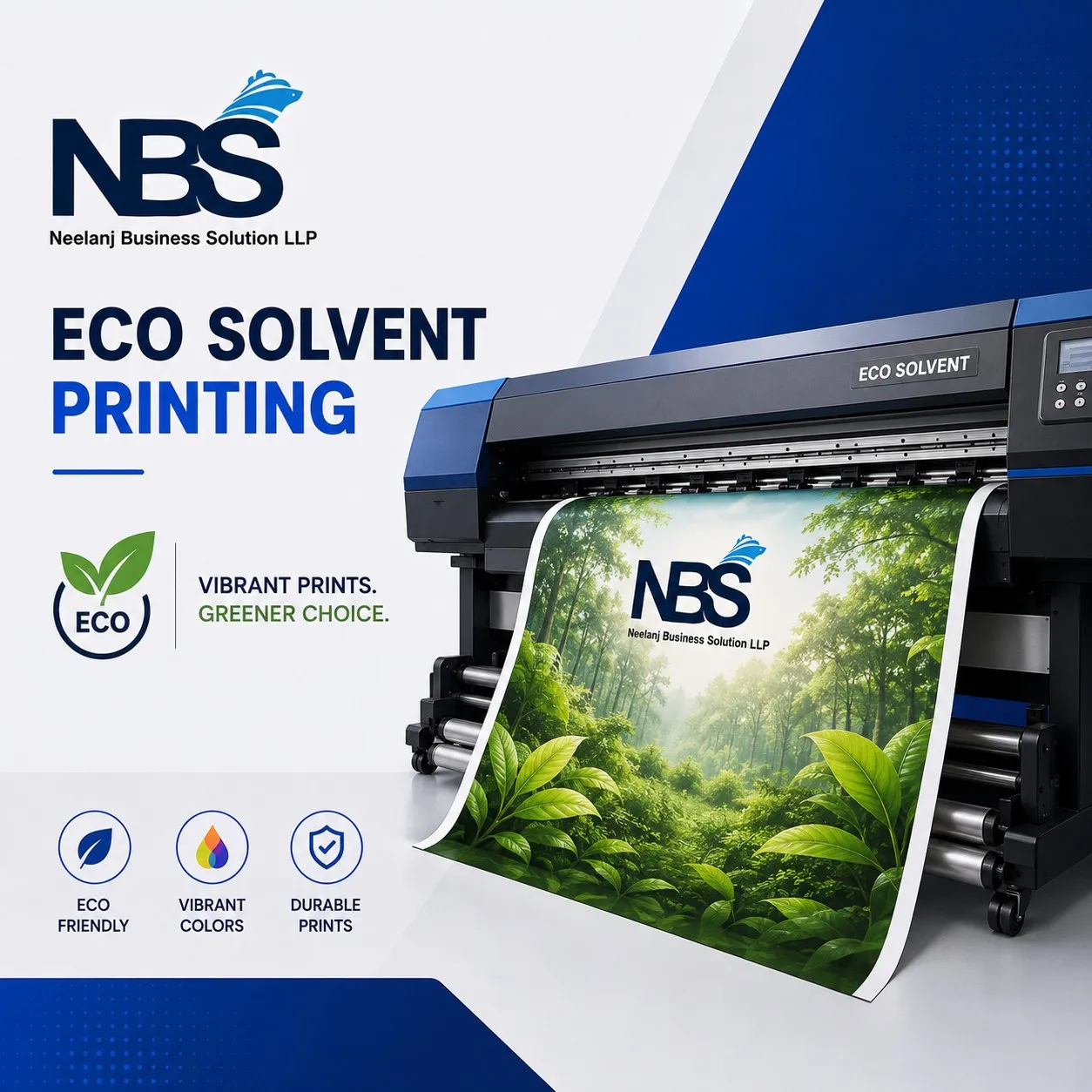

As businesses become more conscious of their environmental impact, sustainable practices are gaining importance across different industries. Printing is one area where companies can make thoughtful choices by selecting suitable materials, reducing waste, and using more environmentally considerate printing methods.
From promotional banners to brochures and business stationery, Eco-friendly printing options can help businesses balance their marketing needs with responsible resource use.
Why Sustainable Printing Matters
Traditional printing can involve paper consumption, plastic materials, chemical-based inks, and waste from unused prints. Businesses that regularly produce marketing materials can reduce some of this impact by choosing appropriate materials and planning their printing requirements carefully.
Sustainable printing practices may also help businesses manage resources more efficiently while demonstrating their commitment to environmental responsibility.
1. Choose Recycled and Responsibly Sourced Paper
Paper selection is an important step toward more sustainable printing. Recycled paper can reduce demand for virgin paper, while paper sourced from responsibly managed forests can support better resource management.
Businesses can consider recycled paper for brochures, flyers, business cards, stationery, and other printed materials. The right choice depends on the purpose of the material, required durability, and desired finish.
2. Understand Eco Solvent Printing
Eco Solvent Printing is commonly used for outdoor advertising, signage, banners, stickers, and large-format graphics. It uses solvent-based inks formulated to reduce certain environmental and odor concerns compared with conventional solvent inks.
This printing method can be useful for businesses that require durable graphics for promotional displays, retail branding, and advertising materials.
However, the term “eco solvent” does not automatically mean a process is completely environmentally harmless. Businesses should check the ink manufacturer's specifications, ventilation requirements, and relevant environmental information before choosing a printing solution.
3. Reduce Printing Waste
Printing only the quantity needed is a simple way to avoid unnecessary waste. Businesses should review their requirements before placing large orders and ensure that designs are approved before production begins.
Digital proofs can help identify mistakes before printing. Standardized sizes, efficient layouts, and careful planning can also reduce paper offcuts and unused materials.
4. Consider Environmentally Responsible Inks
The type of ink used can influence the environmental characteristics of a printing project. Depending on the application, businesses can explore water-based inks, vegetable-oil-based inks, or other ink formulations with suitable environmental credentials.
It is important to check whether the ink is appropriate for the chosen paper, material, and intended use rather than relying on marketing claims alone.
5. Choose Durable Printing Materials
For outdoor signage and promotional displays, durability matters. Materials that last longer may reduce the need for frequent replacement and help minimize waste over time.
Businesses should select materials according to weather exposure, installation conditions, and expected lifespan. Where practical, they can also ask suppliers about reusable displays, recyclable substrates, and responsible disposal options.
6. Use Sustainable Packaging and Finishing
Printing sustainability extends beyond paper and ink. Laminations, plastic coatings, adhesives, and other finishing materials can affect how easily a printed item can be recycled.
Businesses can discuss alternatives with their printing providers, including uncoated paper, recyclable packaging, and finishes suited to the product's actual requirements.
The best option depends on the intended use, durability needs, and available local recycling facilities.
Benefits of Eco-Friendly Printing Options
Adopting Eco-friendly printing options can help businesses use materials more thoughtfully, reduce avoidable waste, and support their wider sustainability goals.
These choices can also strengthen brand communication when a company's environmental commitments are genuine and supported by transparent practices. Rather than making broad claims such as “100% green printing,” businesses should clearly explain the specific materials or processes they use.
How Neelanj Business Solutions LLP Supports Printing Needs
Neelanj Business Solutions LLP provides printing solutions for businesses looking for professional promotional and branding materials. From banners and signage to brochures, flyers, and customized print products, selecting the right materials and printing methods is an important part of each project.
Businesses interested in Eco Solvent Printing can discuss their requirements with the company and explore suitable choices based on the application, durability, budget, and material specifications.
By considering material selection, print quantities, and waste reduction, businesses can make more informed decisions when planning their printing projects.



















Sign in to leave a comment.