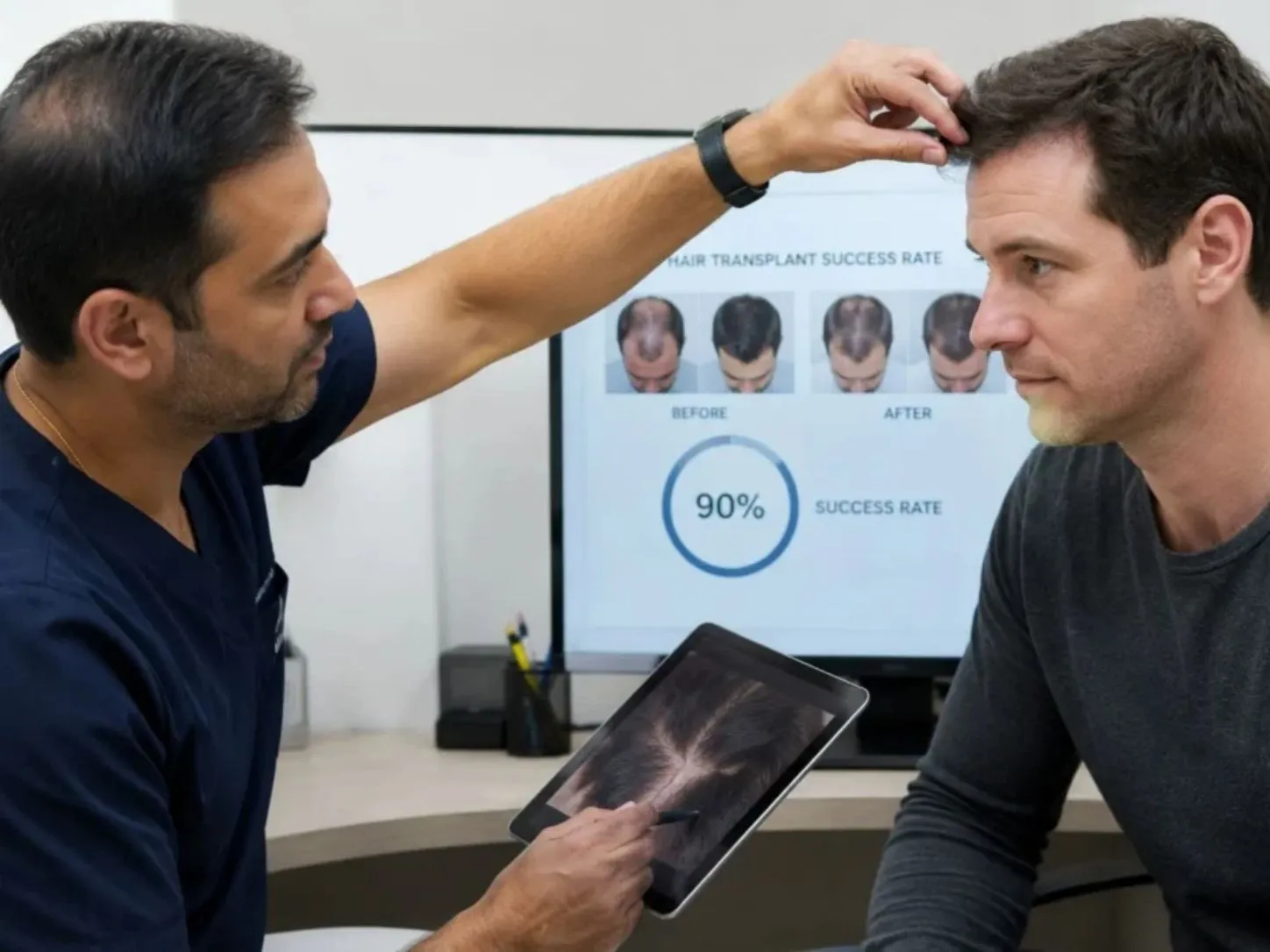

Hair loss affects millions of people across age groups, and for many, it brings more than just cosmetic concern — it can chip away at confidence and self-image. While there is no shortage of shampoos, oils, and supplements promising a full head of hair overnight, very few treatments are backed by real clinical evidence. One option that has steadily gained traction among dermatologists and trichologists alike is Platelet-Rich Plasma, more commonly known as PRP. Unlike many over-the-counter remedies, PRP works with the body's own biology to encourage hair follicles to become active again, making it one of the more scientifically grounded options available today.

What Is PRP and How Does It Work?
PRP therapy involves drawing a small amount of the patient's own blood, processing it in a centrifuge to concentrate the platelets, and then injecting this platelet-rich concentrate directly into areas of the scalp experiencing thinning or shedding. Platelets are rich in growth factors that play a central role in tissue repair and cell regeneration, and when introduced into the scalp, they can stimulate dormant hair follicles, improve blood supply to the area, and extend the growth phase of the hair cycle. This is precisely why so many people researching a prp hair loss treatment find themselves drawn to it as a middle ground between topical solutions and more invasive surgical procedures. It offers a natural, minimally invasive approach that doesn't involve synthetic chemicals or foreign substances being introduced into the body.
Why People Are Choosing PRP Over Other Options
One of the biggest advantages of PRP is that it uses the patient's own blood, which significantly reduces the risk of allergic reactions or rejection. The procedure itself is relatively quick, typically completed within 30 to 60 minutes, and most people can resume their daily activities almost immediately afterward. There is minimal downtime compared to surgical hair restoration, and the sessions are generally well tolerated with only mild discomfort, similar to a series of small pinpricks on the scalp. For individuals who are hesitant about surgery or who want to address early-stage hair thinning before it progresses further, PRP presents an appealing non-surgical alternative.
What Clinical Studies Say About Results
Clinical studies on PRP for hair loss have shown promising, though not universally guaranteed, results. Many patients report visibly thicker hair, reduced shedding, and improved hair density after a series of sessions, usually spaced four to six weeks apart initially, followed by maintenance sessions every few months. It's important to note that PRP tends to work best for individuals in the early to moderate stages of androgenetic alopecia, or pattern baldness, where follicles are miniaturized but not entirely dormant. Those with completely bald patches or long-standing hair loss may see more limited benefits, since PRP relies on there being some viable follicular activity left to stimulate.
The Science Behind Growth Factors
The science behind why PRP works lies largely in the growth factors it delivers to the scalp. These include platelet-derived growth factor, vascular endothelial growth factor, and transforming growth factor, all of which contribute to angiogenesis, cellular proliferation, and tissue healing. When concentrated and delivered directly to the hair follicles, these growth factors are thought to shift follicles from the resting phase back into the active growth phase, while also improving the surrounding vascular network that supplies nutrients and oxygen to the hair root. This is a key reason PRP is often paired with other treatments such as minoxidil, finasteride, or microneedling, since combining therapies can amplify the regenerative effect on the scalp.
What to Expect From a Treatment Plan
That said, PRP is not a one-time miracle fix. Most practitioners recommend an initial course of three to four sessions spaced several weeks apart, followed by periodic touch-up sessions to sustain results. Since hair loss is often an ongoing process influenced by genetics, hormones, and lifestyle factors, PRP works best as part of a broader hair health strategy rather than a standalone cure. Patients considering this treatment should also have realistic expectations — while many notice reduced hair fall and improved thickness, PRP is unlikely to regrow hair in areas that have been completely bald for years.

Safety and Side Effects
Safety is another area where PRP holds an advantage over many alternative treatments. Because the plasma is autologous, meaning it comes from the patient's own body, the risk of infection or adverse reaction is quite low when the procedure is performed by a qualified professional using sterile technique. Mild side effects such as scalp tenderness, slight swelling, or temporary redness at the injection sites are common but usually resolve within a day or two. Serious complications are rare, which makes PRP an attractive option for people who want to avoid the risks associated with hair transplant surgery or long-term use of pharmaceutical treatments.
The Future of Platelet-Based Hair Treatments
As research into regenerative medicine continues to expand, platelet hair restoration is increasingly being recognized not just as a trend but as a legitimate branch of dermatological care. Ongoing studies are exploring optimized platelet concentrations, ideal injection depths, and the best combination therapies to maximize follicular response. Some clinics are also experimenting with enhanced PRP formulations that include additional growth factor concentrates or are paired with exosome therapy to further boost regenerative outcomes. As techniques become more refined and standardized, the consistency and predictability of results are expected to improve, making this a treatment worth watching closely for anyone dealing with progressive hair thinning.
Conclusion
Platelet-Rich Plasma therapy offers a scientifically supported, minimally invasive path toward healthier, thicker hair for individuals experiencing early to moderate hair loss. By harnessing the body's own healing mechanisms, PRP stimulates dormant follicles, improves scalp circulation, and extends the hair growth cycle without the risks associated with surgery or synthetic treatments. While it isn't a guaranteed cure for advanced baldness, when combined with a consistent treatment plan and, where appropriate, complementary therapies, PRP can meaningfully improve hair density and slow further loss. If you're exploring your options for tackling thinning hair, consulting experienced professionals such as those at The Skin and Hair Clinic can help you determine whether PRP is the right fit for your specific hair loss pattern and long-term goals.























Sign in to leave a comment.