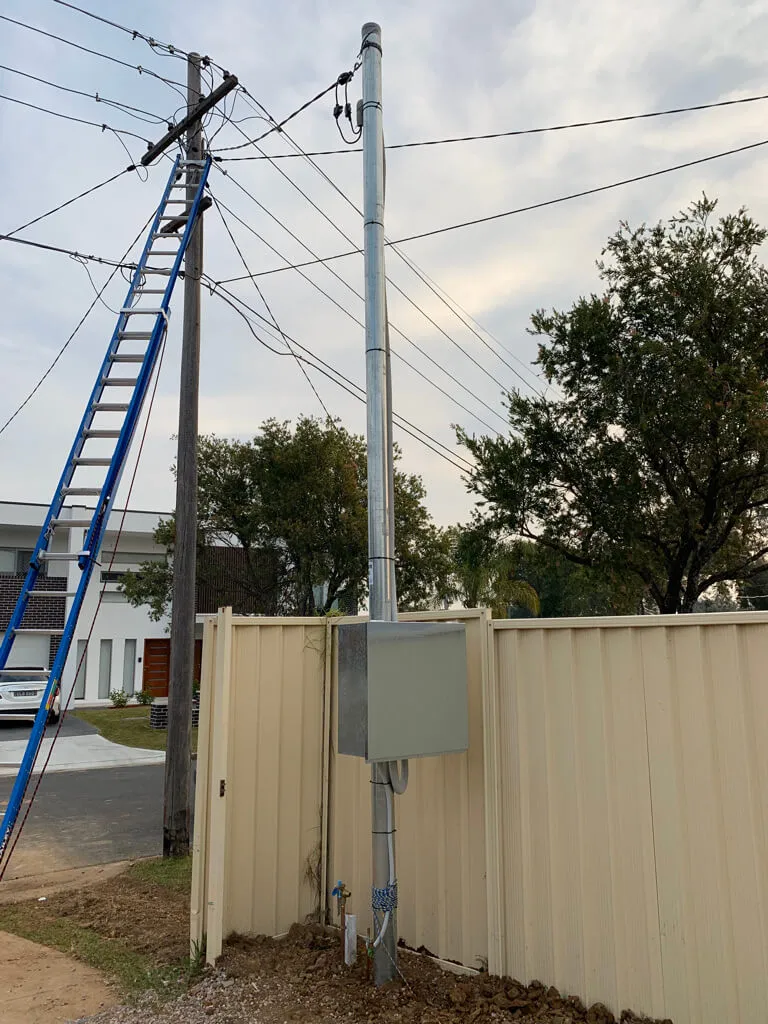

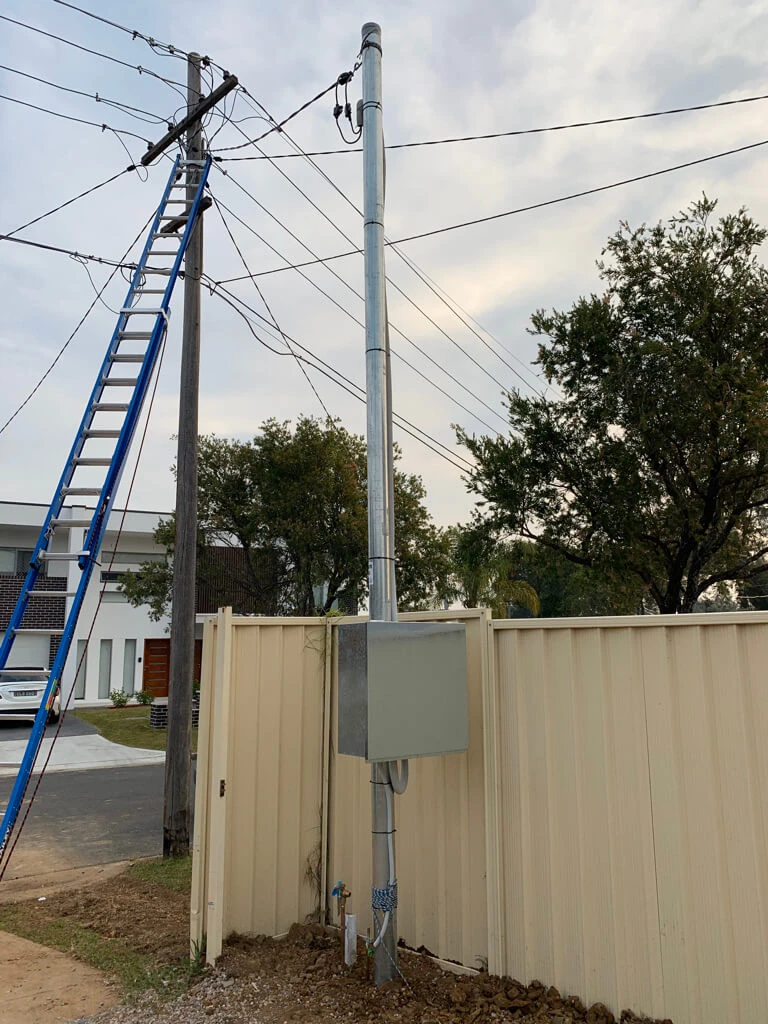
If you own a property with overhead electrical infrastructure, the condition and location of your private pole can affect safety, reliability and future electrical work. A damaged, deteriorated or poorly positioned pole should not be ignored.
Whether you are planning a new installation or considering private power pole replacement, it helps to understand what the work involves, when professional assessment is needed and how the project may connect with other Level 2 electrical services.
Here are 10 practical things to know.
1. Private poles are different from street poles
A private power pole generally sits on private property and forms part of the electrical connection between the network supply and your property. Because it is associated with your private electrical infrastructure, maintenance responsibilities can differ from those for network-owned equipment.
If you are unsure who owns a pole, do not assume. A licensed Level 2 electrician can assess the installation and help identify the appropriate next step.
2. Look for visible signs of deterioration
You should pay attention to the condition of an accessible private pole and its surrounding electrical infrastructure.
Warning signs can include:
- Cracking, splitting or significant deterioration
- Leaning or movement
- Damaged hardware
- Exposed or damaged electrical components
- Storm or impact damage
- Vegetation interfering with electrical infrastructure
If you notice a serious defect, keep people away from the area and arrange professional assistance rather than attempting a repair yourself.
3. A replacement may be needed for safety
A pole that has deteriorated can create risks for people, buildings and electrical equipment. Structural problems can also become more serious after severe weather.
Private power pole replacement should therefore be treated as an electrical and structural project, not simply a cosmetic improvement. A qualified professional can inspect the pole, associated cabling and connection points before recommending the appropriate work.
4. Installation involves more than putting up a pole
Electricity Pole Installation is not simply a matter of placing a new pole in the ground. The project may involve planning, positioning, electrical connections, cabling, metering considerations and compliance requirements.
The exact scope depends on the property, existing infrastructure and the connection arrangement. Professional assessment helps ensure the work is planned around the site's actual electrical needs.
5. Your property layout matters
The position of a private pole can affect overhead lines, access, buildings, driveways and future development. If you are renovating, building an extension or changing the property's electrical demand, the existing arrangement may need to be reviewed.
Before work begins, consider:
- Where the pole is located
- Where electrical lines travel
- Access for electricians and equipment
- Nearby structures and trees
- Possible future electrical upgrades
Good planning can help prevent unnecessary changes later.
6. Storm damage may require prompt attention
Severe weather can damage poles, overhead lines and other electrical infrastructure. If a pole has been struck by a vehicle, affected by falling branches or damaged during a storm, do not approach damaged electrical equipment.
A Level 2 electrician can assess the condition of the private infrastructure and determine what work is required. CForce Electrical provides Level 2 ASP services in Greater Sydney, including powerline installations and other specialised electrical work.
7. Replacement can be part of a larger electrical project
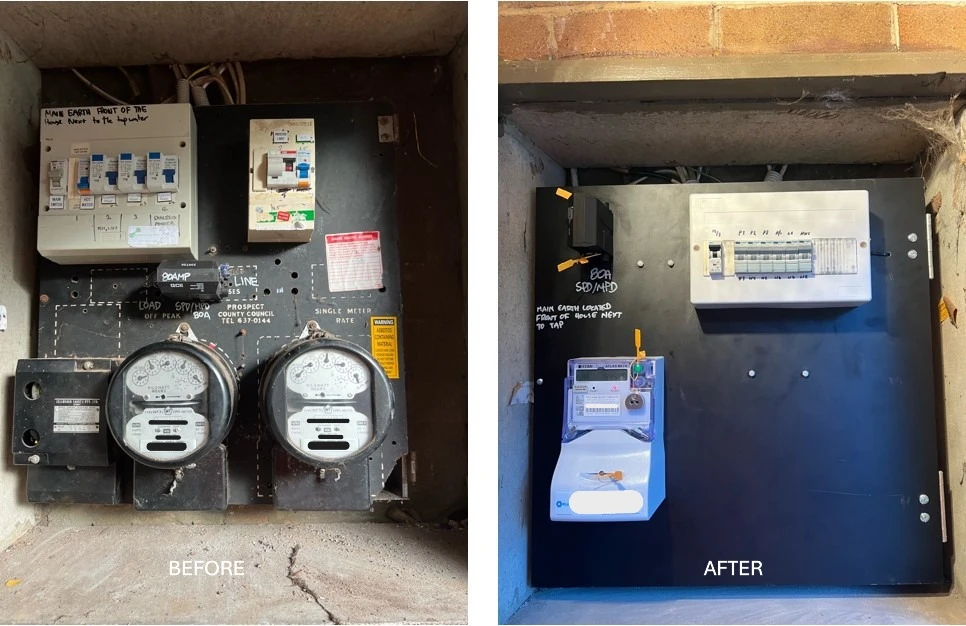
A pole project does not always happen in isolation. Your property may also need metering work, a switchboard upgrade, a three-phase upgrade or other electrical improvements.
For example, changes to your home's electrical demand may make it useful to review the whole connection rather than replacing one component without considering the rest of the system.
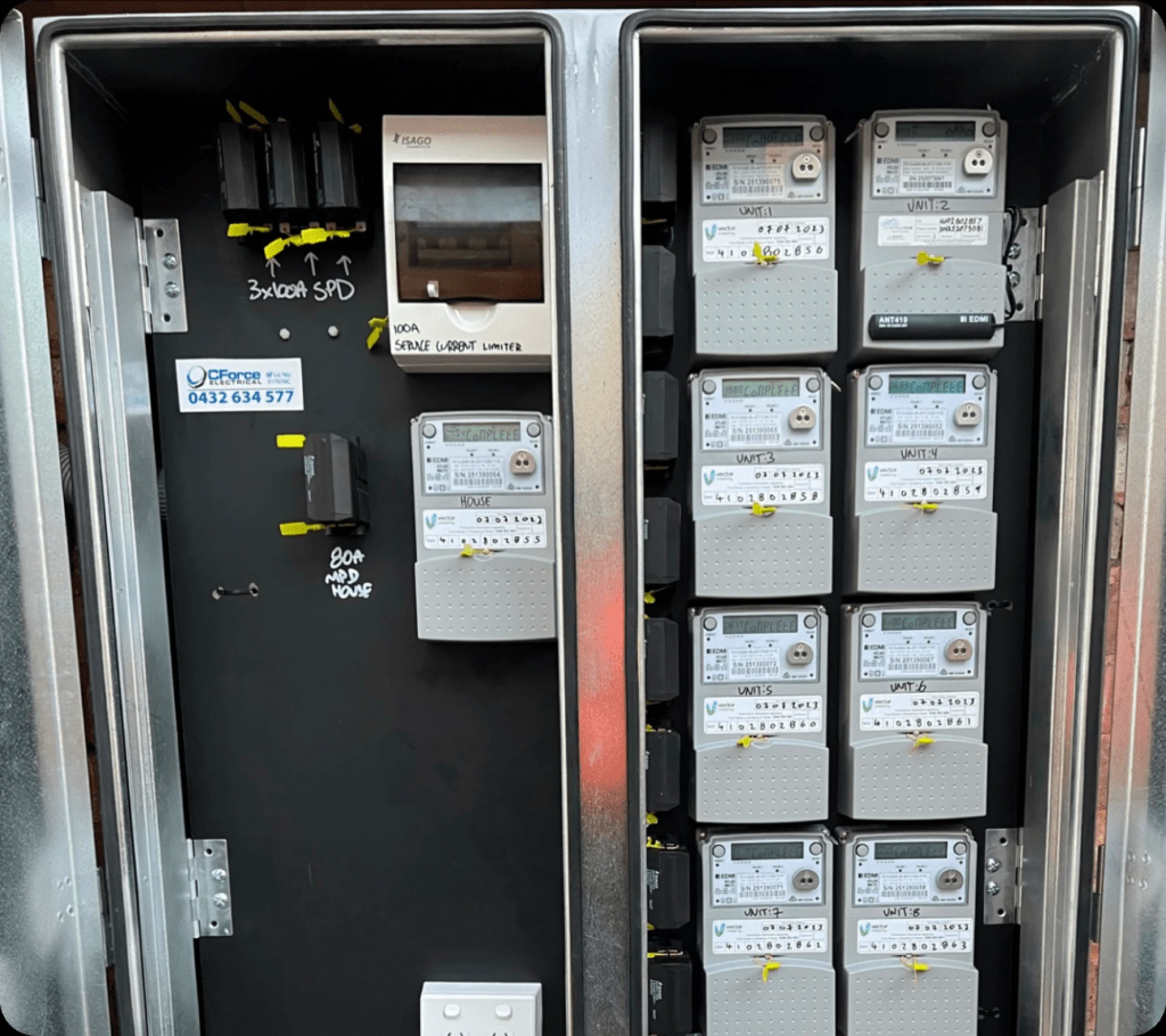
A Level 2 contractor can also coordinate related requirements such as powerline installations, electrical metering, defect rectification and three-phase upgrades as part of the project.
8. Professional assessment helps clarify costs
The cost of replacing or installing a private pole can vary significantly. Factors may include the pole type, site access, cabling, connection requirements, existing defects, excavation and additional electrical work.
Instead of relying on a generic online price, ask for an assessment and written quote. This gives you a clearer understanding of the proposed scope and any related work.
9. Do not treat electrical pole work as DIY
Electrical connections and overhead infrastructure can involve serious hazards. Even if the physical pole appears straightforward, the electrical work connected to it is not something you should attempt yourself.
Use a suitably qualified electrician for inspection, installation, repairs and replacement. This is particularly important where work involves supply connections, metering or other Level 2 electrical infrastructure.
10. Choose a contractor who understands Level 2 work
When you need pole installation or replacement work, look for an electrical contractor with the appropriate experience and authorisation for the job.
Ask potential contractors:
- Do you provide Level 2 ASP services?
- Can you assess the existing pole and connection?
- Will you explain the proposed scope?
- Can related metering or switchboard work be addressed if required?
- Will you provide a clear quotation?
These questions can help you understand who is responsible for each part of the project before work starts.
Why choose CForce Electrical for private pole work?
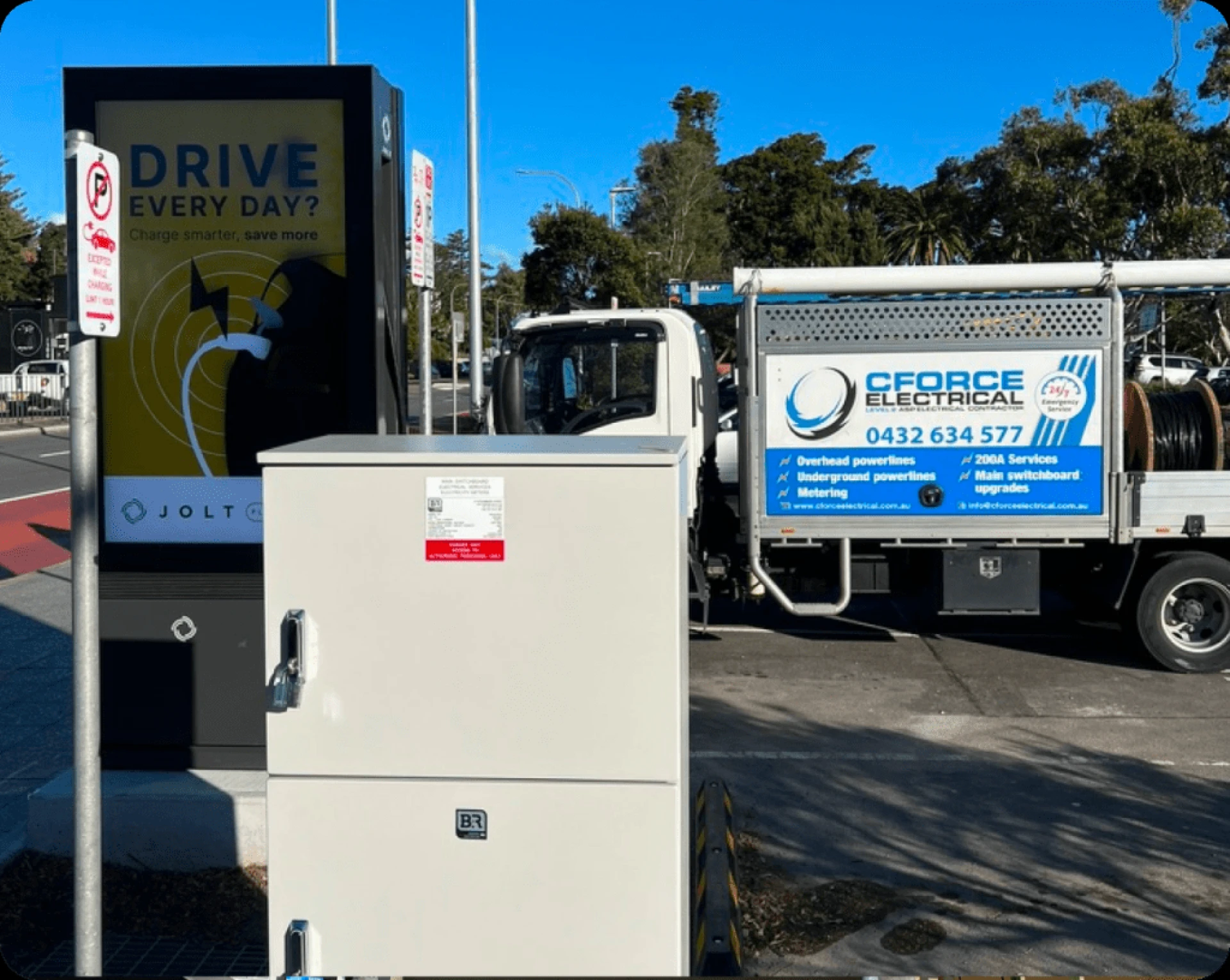
For property owners in Greater Sydney, CForce Electrical provides Level 2 ASP electrical services, including powerline installations, electrical metering, defect rectification and three-phase upgrades. The company states that its electricians are authorised to install and connect powerlines from the supply point to a property through overhead or underground cabling.
This broader Level 2 capability can be useful when a private pole project overlaps with other electrical requirements. The contractor also provides turnkey project solutions and emphasises safety, responsive service and professional support.
FAQs
Do I need a Level 2 electrician for private pole replacement?
Where the work involves the electrical connection between the network supply and your property, Level 2 expertise is important. The exact requirements depend on the installation, so a qualified electrician should assess the site.
How do I know whether my private pole needs replacement?
Visible deterioration, leaning, structural damage, damaged components or storm impact can indicate that an assessment is needed. Do not rely on appearance alone; a professional inspection can identify less obvious issues.
Can a private pole be moved?
In some situations, relocation may be possible, but it depends on the property, electrical infrastructure, access, connection requirements and applicable rules. A professional assessment should be completed before deciding on relocation.
What should I do if a pole is damaged during a storm?
Keep away from damaged electrical infrastructure and avoid touching fallen lines or the pole. Arrange professional assistance and follow emergency or network safety instructions where applicable.
How long does pole replacement take?
The timeframe depends on the site, required approvals or coordination, equipment, access and the amount of electrical work involved. Your electrician can provide a more accurate timeframe after assessing the project.
Final Thoughts
A private pole is an important part of your property's electrical infrastructure, so signs of damage or deterioration deserve prompt attention. Understanding the condition of the pole, the connection arrangement and any related electrical requirements can help you plan the work more effectively.
If you are considering private power pole replacement in Greater Sydney, getting a professional assessment is a sensible first step. It can help identify the right scope of work and whether additional Level 2 electrical services are required.

























Sign in to leave a comment.