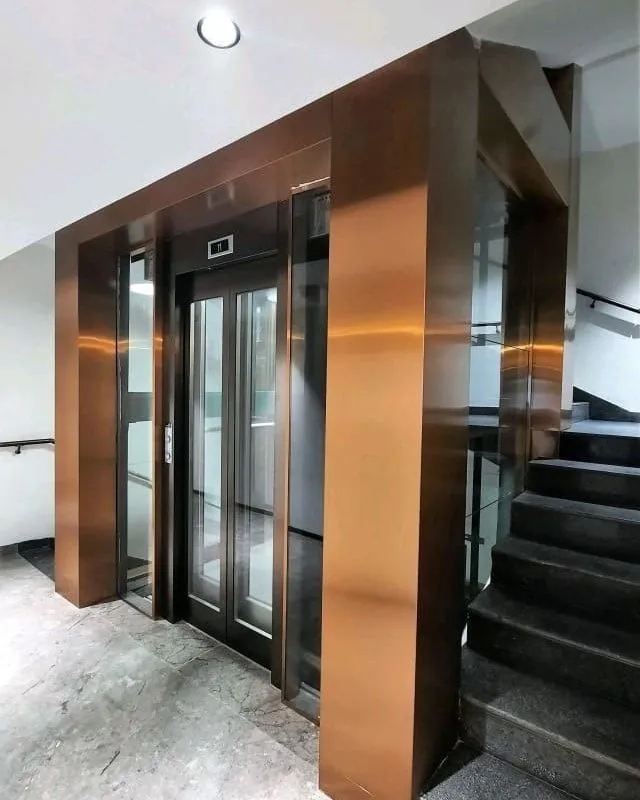

Elevators are an essential part of modern residential, commercial, and industrial buildings. They make daily movement easier, especially in high-rise properties where people depend on lifts throughout the day. However, like any mechanical and electrical system, elevators require regular care to remain safe, efficient, and reliable.
Professional elevator maintenance helps identify potential problems before they become major breakdowns. Regular inspections, servicing, testing, and timely repairs can improve elevator performance while helping building owners maintain a safer environment for passengers.
Why Is Elevator Maintenance Important?
An elevator operates through a combination of mechanical, electrical, and safety components. Continuous use can gradually cause wear and tear on parts such as cables, brakes, door systems, motors, sensors, and control panels.
Regular maintenance allows technicians to inspect these components and identify signs of damage or unusual performance.
Key benefits include:
- Improved elevator safety
- Reduced chances of unexpected breakdowns
- Better operational efficiency
- Longer equipment lifespan
- Reduced repair costs over time
- Smoother and quieter operation
- Improved passenger experience
- Early identification of worn or damaged components
A planned maintenance schedule is generally more effective than waiting until an elevator develops a serious fault.
Common Elevator Components That Require Maintenance
Elevator maintenance involves more than simply checking whether the lift moves up and down correctly. Different components need to be inspected and serviced according to the elevator type and manufacturer requirements.
Elevator Doors
Doors are among the most frequently used parts of an elevator. Technicians may inspect door sensors, rollers, tracks, locks, and opening and closing mechanisms to ensure proper operation.
Cables and Ropes
Elevator ropes and cables are critical components in many lift systems. Regular inspections can help identify visible wear, corrosion, damage, or other conditions that may require attention.
Braking System
The braking system plays an important role in controlled elevator movement and stopping. Maintenance teams inspect braking components to ensure they function correctly.
Motor and Drive System
The motor and drive system control the movement of the elevator. Unusual noises, vibrations, overheating, or inconsistent movement can indicate that inspection or servicing is required.
Control Panel and Electrical Components
Modern elevators depend heavily on electrical and control systems. Technicians can check wiring, connections, controllers, sensors, and related components to identify potential issues.
Preventive Elevator Maintenance
Preventive maintenance focuses on identifying potential problems before they lead to unexpected failures. Instead of waiting for an elevator to stop working, technicians follow a planned schedule to inspect and service important components.
Depending on the elevator system, preventive maintenance may include:
- Visual inspections
- Cleaning and lubrication of suitable components
- Door system checks
- Safety system testing
- Electrical inspections
- Motor and drive checks
- Control system inspections
- Checking unusual sounds or vibrations
- Identifying worn components
- Testing elevator operation
The exact maintenance requirements can vary depending on the elevator model, age, usage level, and manufacturer recommendations.
Signs Your Elevator May Need Servicing
Building owners and facility managers should pay attention to changes in elevator performance. Some problems may appear gradually before a complete breakdown occurs.
Common warning signs include:
- Unusual noises during operation
- Excessive vibration
- Slow or inconsistent movement
- Doors opening or closing incorrectly
- Elevator stopping between floors
- Unusual delays when responding to calls
- Jerky starts or stops
- Frequent service interruptions
- Fault indicators or error messages
If any unusual behavior is noticed, professional inspection should be arranged rather than continuing to operate the elevator without checking the cause.
Elevator Maintenance for Commercial Buildings
Commercial buildings often experience significant elevator usage throughout the day. Offices, hotels, shopping centers, hospitals, residential towers, and other properties may depend on elevators for continuous passenger movement.
Unexpected elevator downtime can inconvenience employees, residents, customers, and visitors. Regular maintenance helps facility managers identify potential issues and plan servicing with less disruption to building operations.
For busy properties, maintenance schedules can be developed according to elevator usage, equipment condition, manufacturer recommendations, and the building's operational requirements.
The Role of Professional Elevator Technicians
Elevator systems contain complex mechanical and electrical components. Maintenance should therefore be handled by trained professionals with suitable knowledge and equipment.
A professional maintenance team can inspect the system, identify potential faults, perform appropriate servicing, and recommend repairs or component replacement when necessary.
Professional servicing can also help building owners maintain records of inspections and maintenance activities, making it easier to monitor the condition of the elevator over time.
How Often Should an Elevator Be Maintained?
There is no single maintenance schedule that applies to every elevator. The appropriate frequency depends on factors such as:
- Elevator type and model
- Building usage
- Passenger traffic
- Age of the equipment
- Manufacturer recommendations
- Operating environment
- Previous maintenance history
- Local requirements
A qualified elevator service provider can assess the equipment and recommend a suitable maintenance plan.
Choosing an Elevator Maintenance Service Provider
Choosing the right service provider is important for maintaining dependable elevator performance. Building owners and facility managers should consider the provider's technical experience, maintenance approach, response capability, and familiarity with different elevator systems.
It is also useful to choose a company that can provide clear maintenance schedules, inspection reports, repair recommendations, and responsive support when unexpected issues occur.
Conclusion
Regular elevator maintenance is an important part of building safety, equipment reliability, and long-term facility management. Routine inspections and preventive servicing can help identify developing problems, reduce unexpected downtime, and keep elevator systems operating smoothly.
Whether you manage a residential building, office, hotel, commercial property, or other facility, establishing a professional maintenance plan can help protect both the elevator equipment and the people who rely on it every day. For dependable elevator servicing and maintenance support in the UAE, professional assistance can help keep your lift system operating safely and efficiently.



















Sign in to leave a comment.