
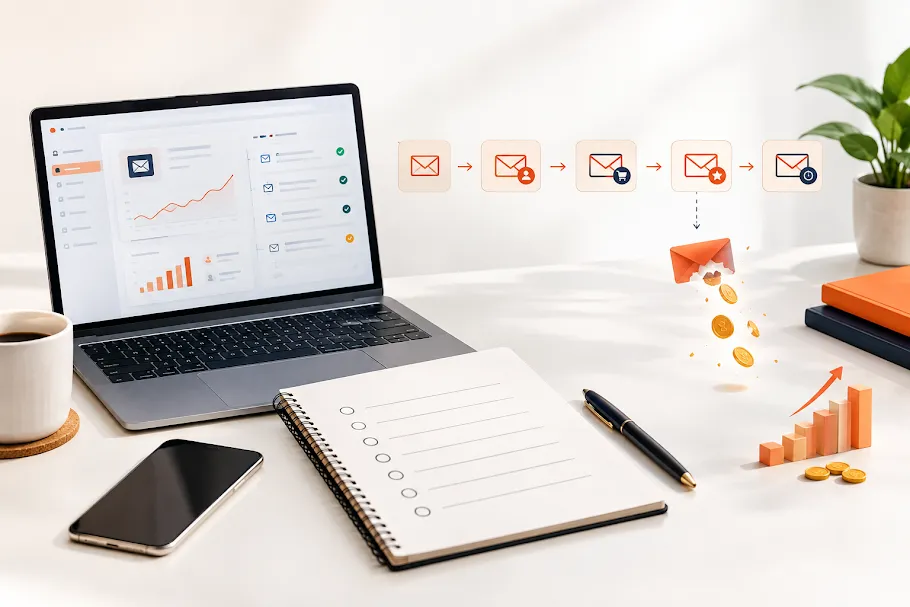
By 2026, automation is no longer a differentiator - it is the baseline. Most marketing teams already run welcome, abandoned-cart, or re-engagement sequences. The challenge is execution.
High-performing automation is behavior-driven and increasingly AI-assisted, using layered signals rather than fixed, pre-written messages. The goal is a system that learns and adjusts continuously.
What Email Marketing Automation Looks Like in 2026
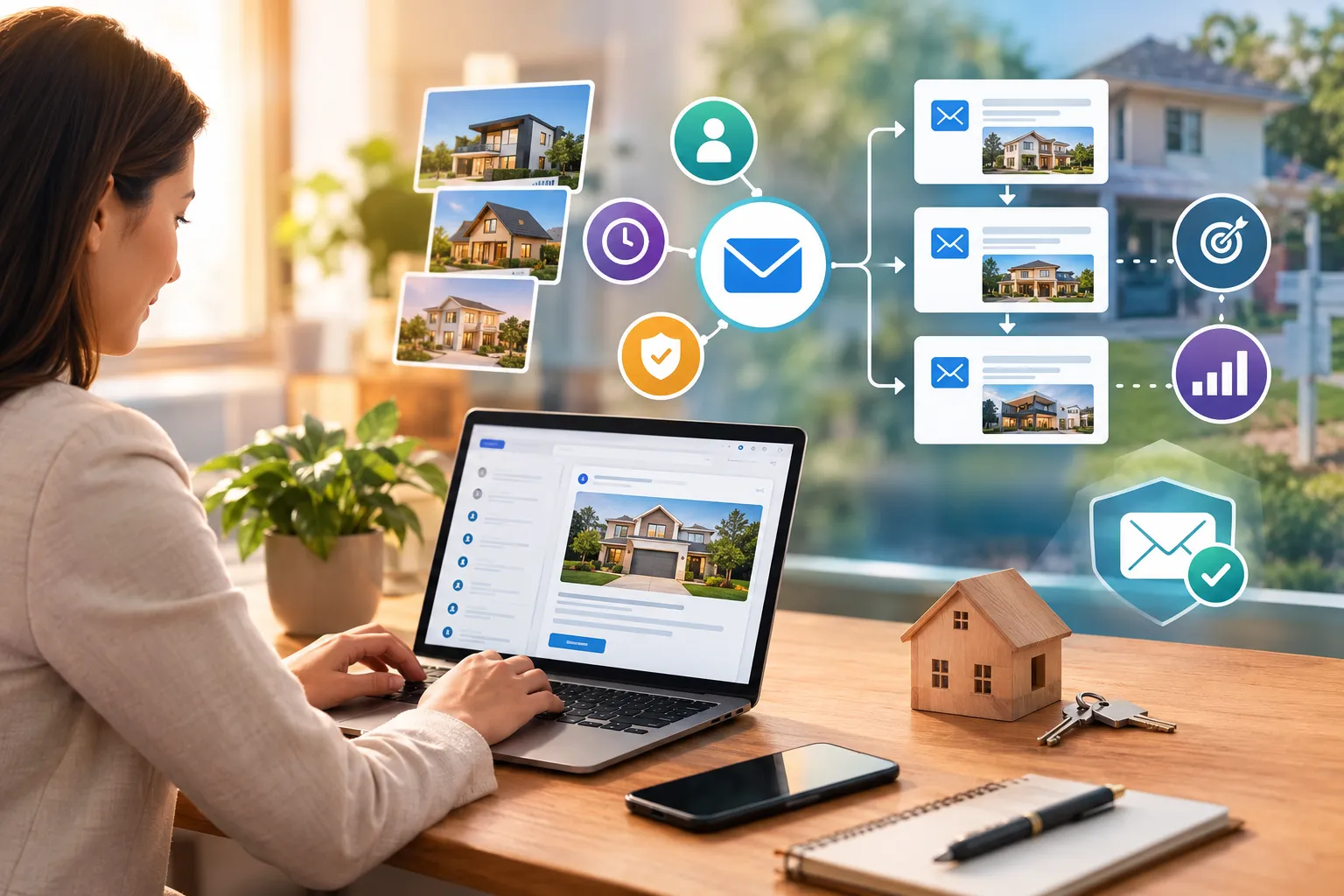
Automation in 2026 combines multiple intent signals, dynamic segmentation, and per-recipient personalization. Instead of triggering emails from isolated actions, programs respond to patterns across engagement, website activity, and product usage.
Why Most Automation Programs Underperform
Underperformance usually comes from structural issues: static sequences that ignore downstream behavior, over-segmentation that reduces testing opportunities, generic persona-based copy, and deliverability blind spots that prevent emails from reaching subscribers.
10 Best Practices for High-Performing Automation Email Marketing
1. Build Triggers Around Intent Signals, Not Just Actions
Combine multiple signals, such as pricing-page visits, email engagement, and product usage. Weight recent activity more heavily and wait for meaningful patterns before triggering a sequence.
2. Segment Dynamically, Not at List-Build Time
Continuously reassess segment membership and define both entry and exit conditions. This allows subscribers to move between evaluation, expansion, and other relevant segments as behavior changes.
3. Write for the Moment, Not the Persona
Adapt messaging to the recipient's current situation. Welcome, evaluation, re-engagement, and renewal emails should reflect different moments even when targeting the same persona.
4. Test Sequences, Not Just Subject Lines
Test removing, reordering, or shortening emails and measure downstream conversion, engagement, and unsubscribes—not just opens.
5. Map Automation to Buying Stage Explicitly
Map every sequence to awareness, evaluation, decision, onboarding, expansion, renewal, or churn-risk. This reveals gaps and overlapping workflows.
6. Treat Deliverability as an Automation Input, Not an Afterthought
Use bounce rates, spam complaints, and engagement decay to automatically throttle or pause sequences before deliverability problems worsen.
7. Personalize Content, Layout, and Send Time Together
Personalization should account for content preferences, device behavior, layout, and typical engagement times rather than relying on a single template and send time.
8. Build Re-Engagement Into Every Sequence From Day One
Create recovery branches based on engagement decline and return recovered subscribers to the main journey instead of treating re-engagement as a separate campaign.
9. Use AI for Generation, But Quality-Gate Before Send
AI can accelerate campaign creation, but every generated email should be checked for brand voice, tone, values, clarity, and factual accuracy.
10. Close the Loop: Feed Campaign Data Back Into Segmentation
Use opens, clicks, conversions, and unsubscribes to continually refine segments and triggers. Automation should evolve as behavior changes.
Why Teams Use Migma for Email Marketing Automations
Migma combines email creation, automation, segmentation, testing, localization, and delivery in one workspace. AI Email Generation, AI Flow Automation, AI Audience Segments, personalization, Autopilot Campaigns, and brand learning help teams create and optimize campaigns while maintaining consistency.
Higher-Quality AI Email Generation
Migma's AI email generation focuses on five layers: Visual, Tone, Emotional, Values, and Clarity. This helps create emails that are polished, relevant, on-brand, and conversion-focused.
Common Mistakes That Undercut Good Automation
Common mistakes include launching before deliverability is ready, setting sequences and forgetting them, personalizing copy without layout or timing, and skipping quality review of AI-generated drafts.
Conclusion
Having automation in place and running it well are different things. High-performing programs combine intent-based triggers, dynamic segmentation, moment-based personalization, sequence-level testing, deliverability controls, AI quality gates, and continuous feedback. Together, these practices turn automation from a set of scheduled messages into a system that continuously improves.
Read More: https://migma.ai/blog/email-marketing-automation-best-practices


















Sign in to leave a comment.