


A sudden toothache at night, a broken tooth during a game, or swelling around your jaw can leave you wondering what to do next. If you are searching for an emergency dentist open now, the first question is whether your dental problem actually needs urgent attention.
Not every toothache is an emergency, but severe pain, swelling, bleeding, infection, or dental injuries should not be ignored. Knowing the warning signs can help you get the right care at the right time.
What Is a Dental Emergency?
A dental emergency usually involves significant pain, bleeding, infection, swelling, or an injury that could become worse without prompt treatment.
Common dental emergencies include:
- Severe or persistent tooth pain
- A knocked-out permanent tooth
- A badly broken or cracked tooth
- Significant swelling around the tooth or face
- Dental abscesses
- Uncontrolled bleeding
- Injuries to the mouth or jaw
- A damaged crown or filling causing severe discomfort
If you are unsure about your symptoms, contacting a dental professional can help you decide how quickly you need care.
When Should a Toothache Be Treated Urgently?
A mild toothache that disappears may not require emergency treatment. However, severe or ongoing pain deserves attention.
Pain that keeps you awake, becomes worse, or occurs with swelling, fever, or a bad taste in your mouth may indicate an infection or another dental problem.
Tooth decay, inflammation, a cracked tooth, or an infection can all cause serious discomfort. Pain medication may provide temporary relief, but it does not address the underlying cause.
What Should You Do If a Tooth Gets Knocked Out?
A knocked-out permanent tooth requires urgent dental attention.
If this happens, carefully pick up the tooth by the crown rather than the root. If it is dirty, gently rinse it without scrubbing. Avoid touching or damaging the root and seek professional dental care as soon as possible.
Dental injuries can happen during sports, accidents, falls, or everyday activities, so knowing these basic steps can be helpful for Atlanta families.
Is Facial Swelling a Dental Emergency?
Swelling around a tooth or gum can be a sign of infection or an abscess. Other symptoms may include pain, tenderness, fever, or a bad taste in your mouth.
A dental infection should not be ignored simply because the pain temporarily improves.
If swelling affects your breathing or swallowing, or is rapidly spreading, seek emergency medical care immediately.
For other urgent dental problems, searching for an emergency dentist near me can help you find appropriate professional care.
What About a Broken or Cracked Tooth?
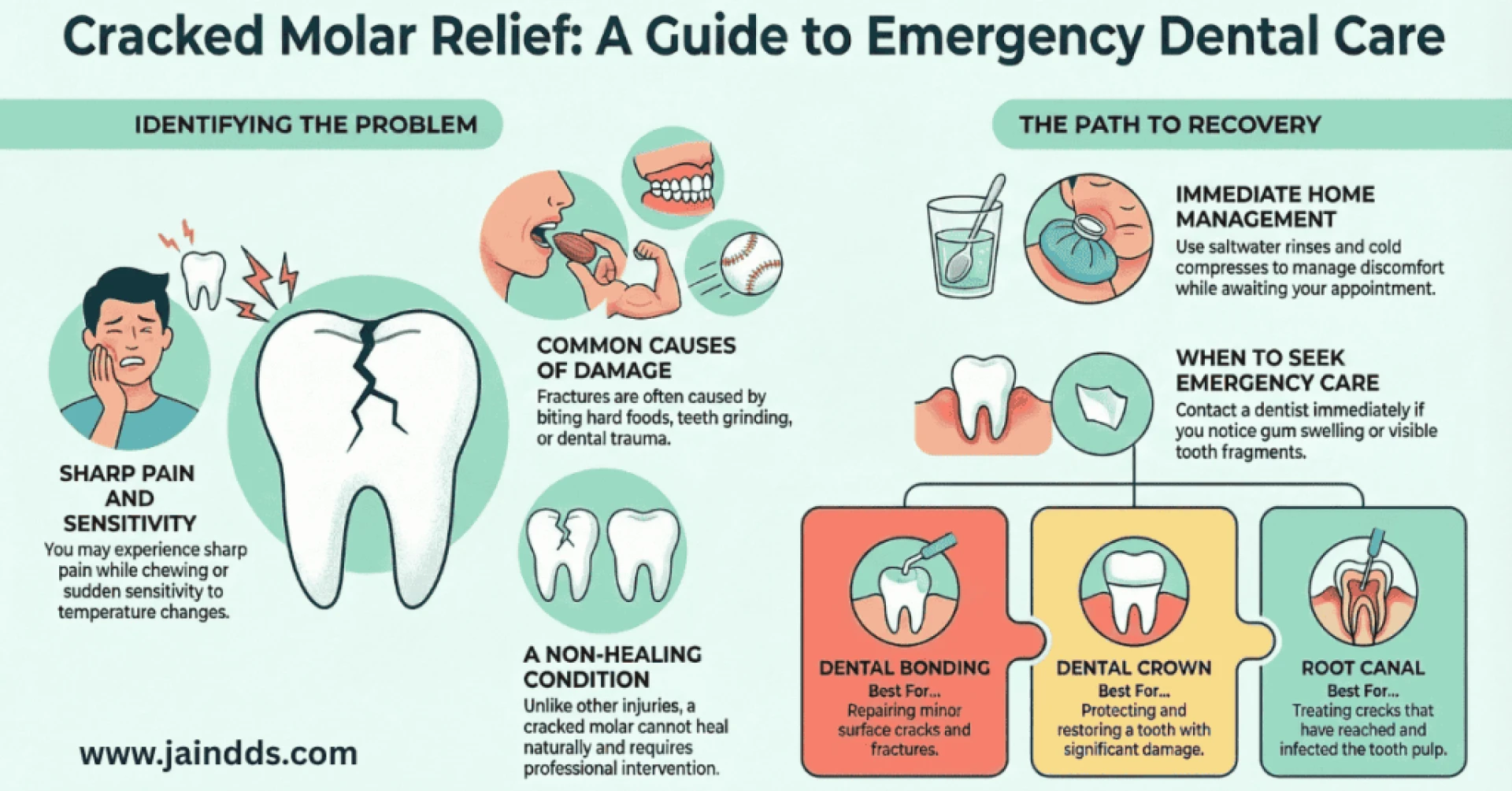
A cracked or broken tooth can cause sensitivity and pain, especially when biting or eating hot or cold foods.
Treatment depends on the amount of damage. A dentist may recommend a filling, crown, root canal treatment, or another restoration.
Until you are examined, avoid chewing hard foods on the affected side and keep the area clean.
Can an Emergency Room Treat a Dental Problem?
An emergency room can manage serious medical complications related to dental infections, facial injuries, or severe swelling. However, hospitals generally do not provide routine dental treatments such as fillings or standard tooth restorations.
If you have difficulty breathing or swallowing, severe facial swelling, or signs of a serious infection, emergency medical care may be necessary.
For most dental-specific problems, a dentist or oral surgeon is better equipped to treat the underlying issue.
What Can You Do Before Seeing a Dentist?
While waiting for professional care:
- Rinse gently with warm salt water.
- Apply a cold compress if swelling is present.
- Avoid chewing on the affected side.
- Keep the area clean.
- Take appropriate over-the-counter pain medication as directed.
- Do not place aspirin directly on your tooth or gums.
- Never try to remove a tooth yourself.
These steps are temporary and do not replace professional treatment.
How Jain Dental Care Can Help
If you are dealing with severe dental pain, swelling, a broken tooth, or another urgent concern in Atlanta, Jain Dental Care can evaluate the problem and help determine the appropriate treatment.
A professional examination can identify the cause of your symptoms and help you understand your treatment options.
Visit Jain Dental Care for information about dental services and care.
Final Thoughts
Dental emergencies rarely happen at a convenient time. Severe pain, swelling, uncontrolled bleeding, dental trauma, or signs of infection should not be ignored.
If you are searching for an emergency dentist open now, consider the severity of your symptoms and seek professional advice when necessary. Prompt attention can help protect your oral health and prevent an urgent problem from becoming more complicated.
Frequently Asked Questions
When should I see an emergency dentist?
Seek urgent dental care for severe pain, significant swelling, uncontrolled bleeding, dental trauma, a knocked-out permanent tooth, or possible infection.
Can I wait until morning for a toothache?
Mild discomfort may not require emergency treatment, but severe pain with swelling, fever, or other concerning symptoms should be evaluated promptly.
What should I do if my tooth gets knocked out?
Handle the tooth by the crown, avoid touching the root, gently rinse it if needed, and seek urgent dental care as soon as possible.
Can an emergency room treat a tooth infection?
An emergency room can manage serious complications, but a dentist is generally needed to treat the underlying dental problem.


























Sign in to leave a comment.