
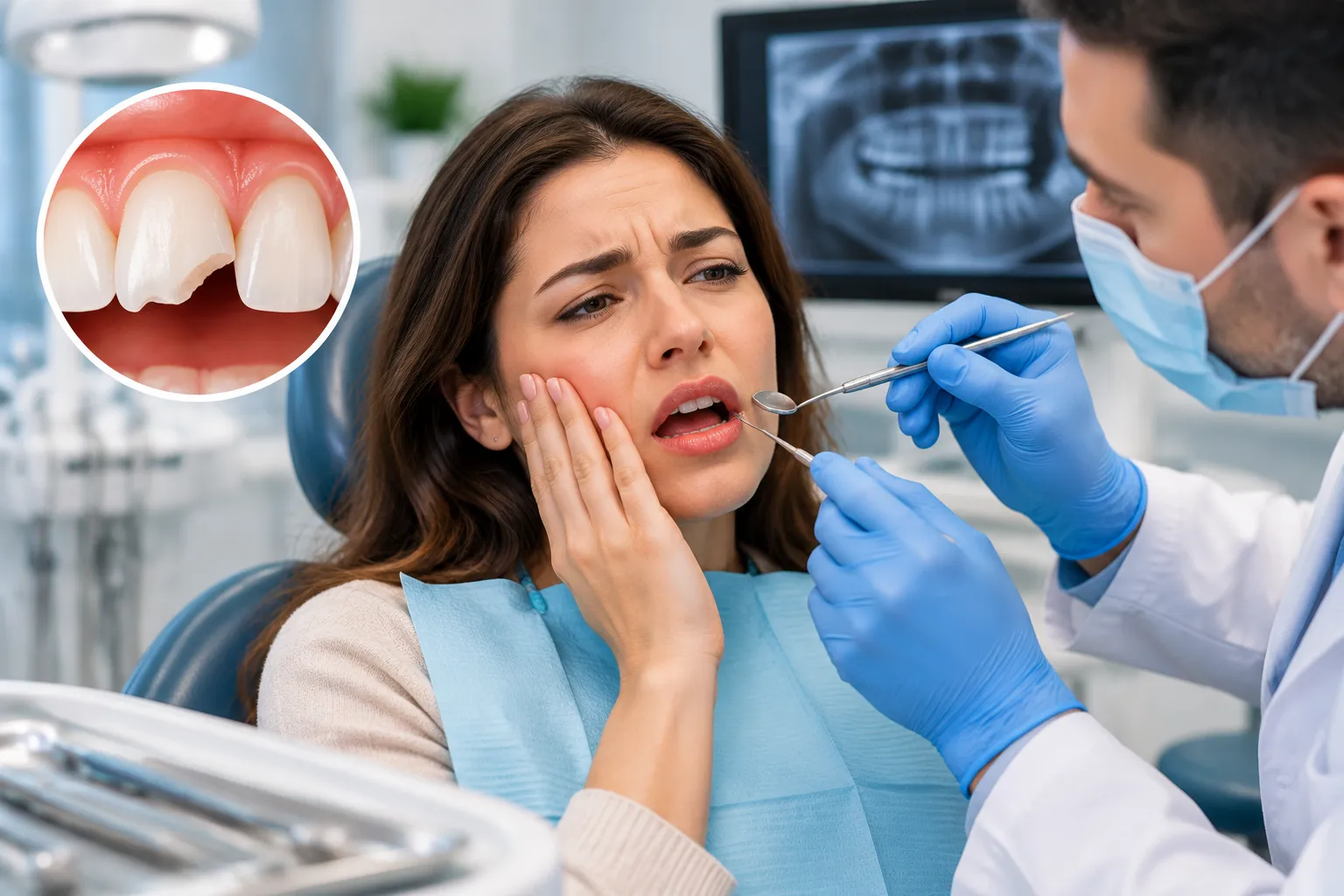
Dental injuries can happen unexpectedly during sports, accidents, falls, or everyday activities. A chipped, cracked, displaced, or knocked-out tooth can be painful and may require prompt professional attention. Knowing what to do immediately after a dental injury can help protect the affected tooth and improve the chances of successful treatment.
If you experience a significant dental injury, contacting an emergency dentist in Belton can help you determine how quickly you need professional care.
Stay Calm and Assess the Injury
The first step after a dental injury is to remain calm and carefully assess what has happened. Check for bleeding, swelling, pain, a loose or broken tooth, or damage to the gums and surrounding tissues.
If the injury is accompanied by severe facial trauma, loss of consciousness, difficulty breathing, or difficulty swallowing, seek urgent medical attention. Dental treatment may be needed in addition to medical evaluation.
Rinse Your Mouth Gently
If there is dirt, blood, or debris in your mouth, gently rinse with clean water. Avoid vigorous rinsing, particularly if the gums or soft tissues are injured.
If there is bleeding, place clean gauze or a clean cloth over the affected area and apply gentle pressure. This may help control minor bleeding while you arrange professional care.
What to Do About a Knocked-Out Tooth
A knocked-out permanent tooth is a dental emergency. If possible, carefully pick up the tooth by the crown, which is the part normally visible in the mouth. Avoid touching the root.
Gently rinse the tooth with water if it is dirty, but do not scrub it or remove attached tissue. If it can be safely placed back into its socket, this may help preserve the tooth. If that is not possible, keep the tooth moist and seek emergency dental care immediately. Your dentist can provide specific instructions based on the situation.
A knocked-out baby tooth should generally not be placed back into the socket, because doing so may affect the developing permanent tooth.
Manage Swelling
A cold compress applied to the outside of the cheek can help reduce swelling following some dental injuries. Use the compress for short periods at a time and avoid placing ice directly against the skin.
Pain following an injury may also require appropriate pain relief. Follow medication directions carefully, and ask a healthcare professional or dentist if you are unsure which option is appropriate for you.
Don't Ignore a Cracked or Chipped Tooth
Even if a chipped or cracked tooth does not cause severe pain, it should be examined by a dentist. Damage may expose sensitive inner tooth structures or create an opportunity for bacteria to enter.
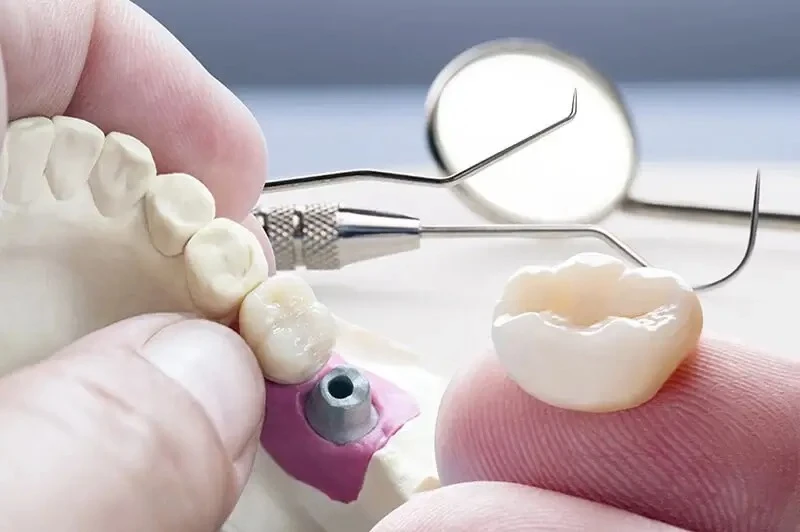
Depending on the extent of the injury, treatment may involve smoothing or repairing the damaged area, placing a filling or crown, or performing root canal treatment if the tooth's pulp has been affected.
Seek Professional Dental Care Promptly
Dental injuries can vary significantly in severity, and symptoms do not always show the full extent of the damage. A dental examination and, when necessary, imaging can help determine whether the tooth's root, pulp, or surrounding bone has been affected.
If you are searching for an emergency dentist Belton, Cure Dental can help you understand the appropriate next steps following a dental injury. Prompt professional evaluation can help protect the affected tooth and identify treatment options based on the nature of the injury.
Preventing Future Dental Injuries
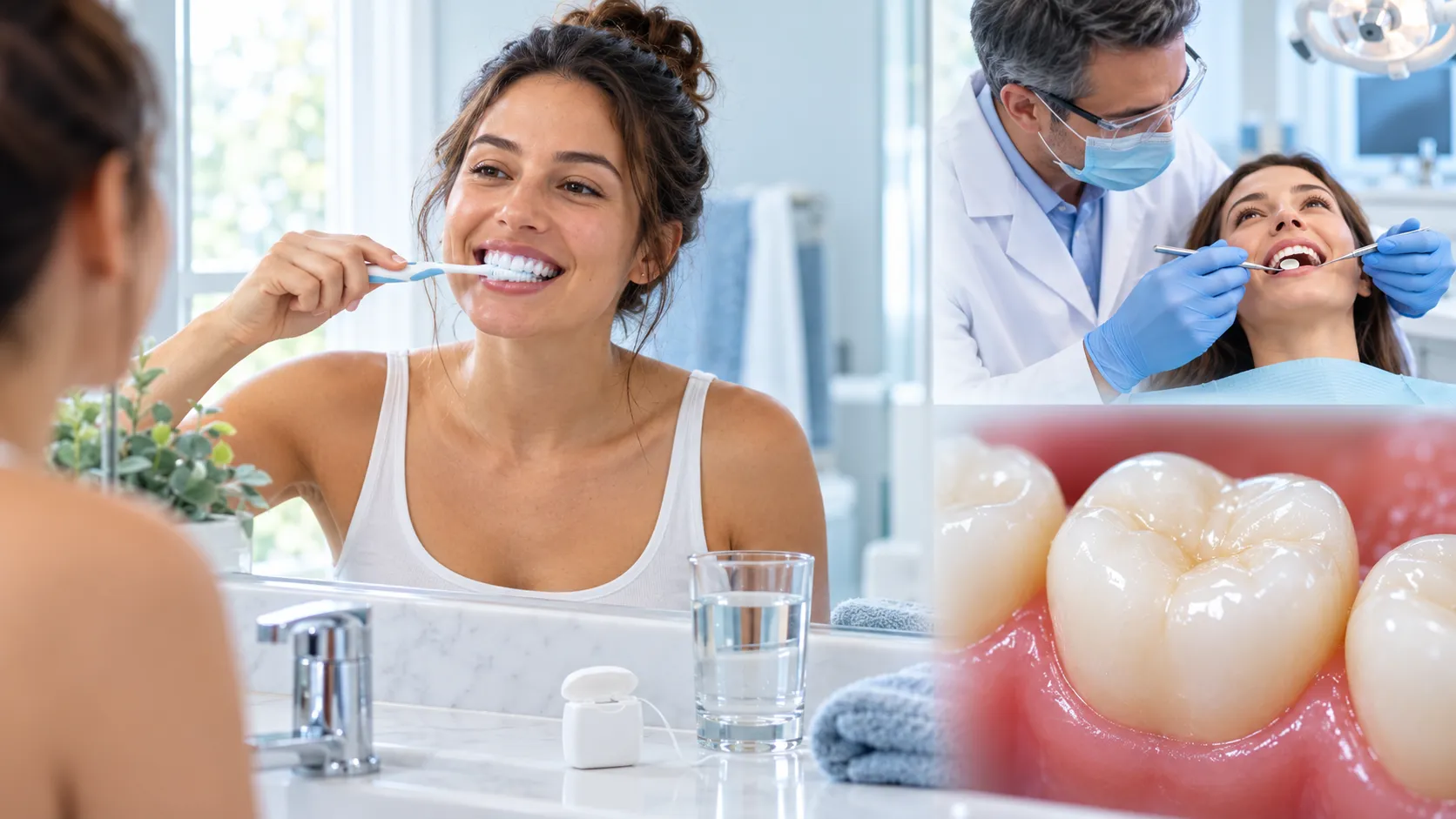
While accidents cannot always be prevented, some precautions can reduce the risk of dental trauma. Children and adults who participate in contact sports should consider wearing a properly fitted mouthguard. Avoid using teeth to open packages, bottles, or other objects, and maintain regular dental checkups so potential weaknesses can be identified early.
A dental injury can be stressful, but knowing how to respond can make the situation easier to manage. When in doubt, contact a dental professional promptly rather than waiting for symptoms to worsen. Cure Dental can provide guidance and appropriate dental care when an unexpected injury affects your smile.

























Sign in to leave a comment.