

The healthcare industry is experiencing one of the most significant transformations in its history. New technologies, data-driven decision-making, and patient-centered approaches are changing how care is delivered across hospitals, clinics, and virtual settings. Professionals attending healthcare tech events often discuss how innovation is improving outcomes, increasing efficiency, and creating more personalized experiences for patients. As healthcare systems continue to evolve, several emerging trends are shaping the future of patient care and redefining expectations for both providers and patients.
The Rise of Artificial Intelligence in Healthcare
Artificial intelligence (AI) has become one of the most influential forces in modern healthcare. Healthcare organizations are using AI-powered tools to support clinical decisions, analyze medical images, predict patient risks, and streamline administrative tasks.
Recent industry reports show that AI adoption is growing rapidly across healthcare organizations. Many providers are already implementing AI solutions to improve workflows, reduce documentation burdens, and enhance diagnostic accuracy. AI-assisted decision support systems help clinicians access relevant information faster, allowing them to make more informed treatment decisions.
One of the most promising applications of AI is predictive analytics. By analyzing large amounts of patient data, healthcare systems can identify individuals at higher risk for chronic conditions, hospital readmissions, or complications. This proactive approach supports earlier intervention and better patient outcomes.
Telehealth Continues to Expand
Virtual care has evolved from a convenient alternative into a critical component of healthcare delivery. Telehealth services provide patients with access to medical professionals regardless of location, reducing travel requirements and improving convenience.
Market research indicates continued growth in the global telehealth sector, driven by increasing demand for remote care and advances in communication technology. Healthcare organizations are investing in hybrid care models that combine virtual consultations with traditional in-person visits.
This approach is particularly valuable for patients living in rural communities, individuals with mobility challenges, and those managing chronic conditions. Virtual appointments can improve continuity of care while reducing unnecessary hospital visits.
Telehealth also supports better access to specialists, mental health professionals, and follow-up care services, helping healthcare providers reach more patients efficiently.
Remote Patient Monitoring Becomes Mainstream
Wearable Devices and Connected Health
Remote patient monitoring is transforming how healthcare providers track patient health outside clinical settings. Wearable devices, smart sensors, and connected medical equipment enable continuous monitoring of vital signs and health metrics.
Patients can now use devices that measure heart rate, blood pressure, blood glucose levels, sleep patterns, and physical activity. This real-time information helps healthcare teams identify potential concerns before they become serious medical issues.
The growing adoption of wearable technology reflects a broader shift toward preventive healthcare. Rather than reacting to illness after symptoms appear, providers can monitor trends and intervene earlier.
Improved Chronic Disease Management
Remote monitoring has shown particular value in managing chronic conditions such as diabetes, hypertension, and cardiovascular disease. Continuous access to patient data enables healthcare professionals to adjust treatment plans more effectively and support long-term health goals.
As healthcare systems seek to reduce hospital admissions and improve outcomes, remote monitoring is expected to play an increasingly important role.
Personalized Medicine Gains Momentum
Patient care is moving away from one-size-fits-all treatment approaches. Personalized medicine uses genetic information, lifestyle factors, medical history, and other data to create individualized treatment plans.
Advances in genomics have made it possible to better understand how different patients respond to medications and therapies. This knowledge helps healthcare providers select treatments that are more likely to be effective while minimizing potential side effects.
Precision medicine is already making a significant impact in areas such as oncology, where targeted therapies are improving outcomes for many cancer patients. As research continues, personalized care strategies are expected to expand into additional medical specialties.
The growing availability of patient data and advanced analytics tools is accelerating this shift toward individualized healthcare.
Digital Health Platforms Enhance Patient Engagement
Empowering Patients Through Technology
Patients today expect greater involvement in their healthcare decisions. Digital health platforms provide tools that allow individuals to access medical records, schedule appointments, communicate with providers, and track personal health information.
These platforms encourage active participation in care and help patients better understand their health conditions. Improved access to information often leads to stronger patient-provider relationships and better treatment adherence.
According to global health organizations, digital health solutions are becoming increasingly important for improving healthcare accessibility and supporting informed decision-making.
Mobile Health Applications
Mobile applications are also contributing to higher levels of patient engagement. Many apps provide medication reminders, symptom tracking, wellness guidance, and educational resources.
As smartphone usage continues to grow worldwide, mobile health solutions are expected to become an even larger part of everyday healthcare management.
Data Interoperability Improves Care Coordination
Healthcare organizations generate vast amounts of data every day. However, data often remains stored in separate systems that do not communicate effectively with one another.
Interoperability initiatives are addressing this challenge by enabling different healthcare technologies to share information securely and efficiently. Improved data exchange allows providers to access complete patient records regardless of where care was previously received.
Better care coordination can reduce duplicate testing, minimize errors, and support more informed clinical decisions. Patients benefit from smoother transitions between healthcare providers and more consistent treatment experiences.
As healthcare systems continue investing in integrated technologies, interoperability will remain a critical priority.
The Growing Importance of Preventive Care
Healthcare is increasingly focused on prevention rather than treatment alone. Providers are using data analytics, screening programs, and digital tools to identify health risks earlier and encourage healthier lifestyles.
Preventive care initiatives can help reduce the burden of chronic disease while lowering healthcare costs over time. Healthcare organizations are expanding wellness programs that emphasize nutrition, physical activity, stress management, and routine screenings.
Advanced analytics tools enable providers to identify population-level health trends and develop targeted interventions. This population health approach supports better outcomes across entire communities.
The emphasis on prevention aligns with broader efforts to improve quality of life and reduce long-term healthcare expenditures.
Trust, Security, and Ethical Technology Use
As healthcare becomes increasingly digital, trust remains a critical factor. Patients expect healthcare organizations to protect sensitive information and use technology responsibly.
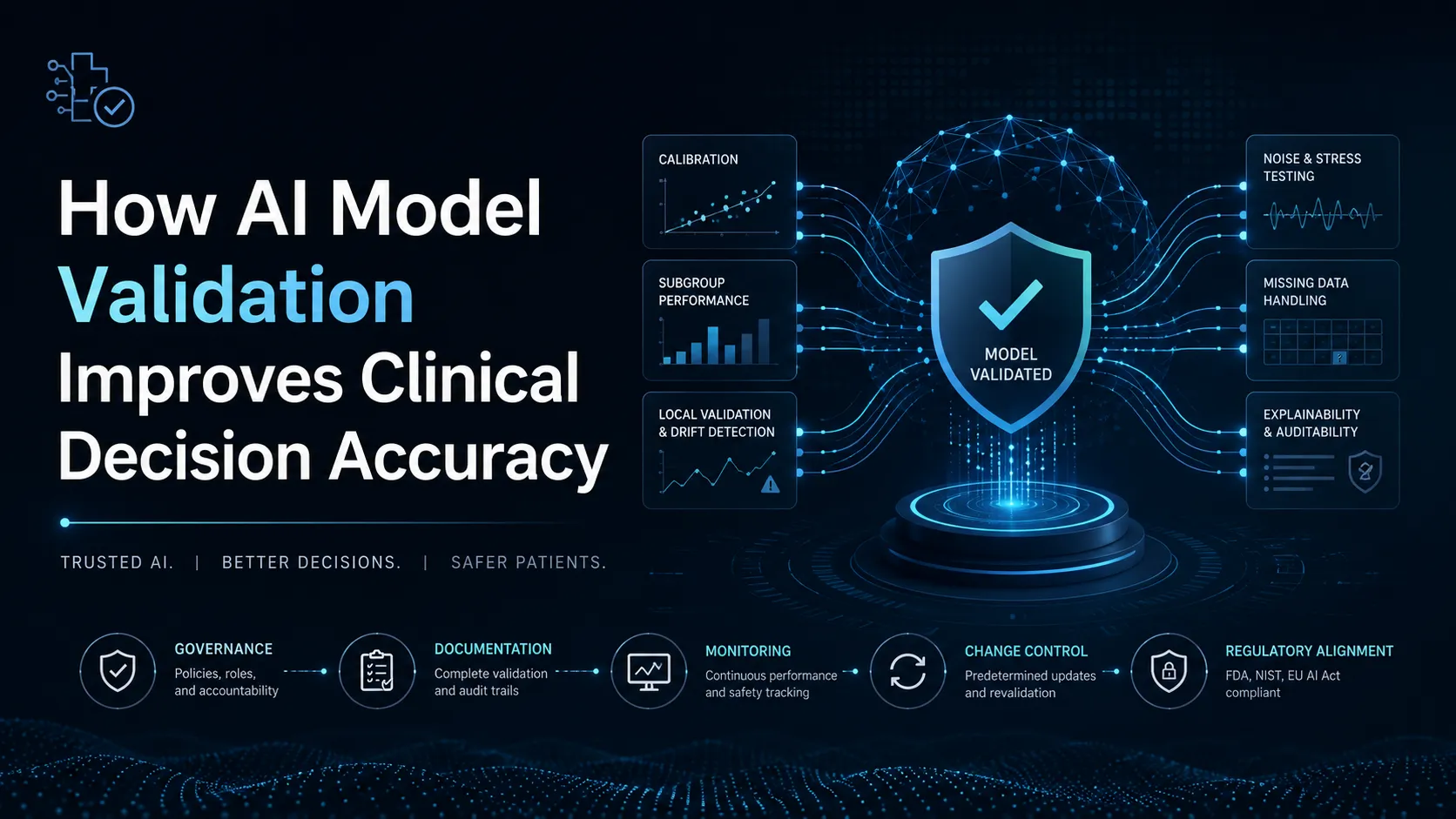
Healthcare leaders are placing greater emphasis on cybersecurity, data privacy, and ethical AI implementation. Industry experts continue to develop guidelines that promote transparency, fairness, reliability, and accountability in digital healthcare systems.
Building trust is essential for encouraging patient adoption of new technologies. Organizations that prioritize privacy and security will be better positioned to succeed as digital transformation continues.
Looking Ahead
The future of patient care will be defined by innovation, personalization, and greater accessibility. Artificial intelligence, telehealth, remote monitoring, personalized medicine, digital health platforms, and preventive care strategies are creating new opportunities to improve outcomes and enhance patient experiences.
Industry forecasts suggest continued growth across the digital health sector as healthcare organizations invest in technologies that support more efficient and effective care delivery. While challenges related to privacy, integration, and adoption remain, the overall direction is clear.
Healthcare is becoming more connected, more proactive, and more focused on the unique needs of each patient. Organizations that embrace these emerging trends will be better equipped to deliver high-quality care in an increasingly digital world.



























Sign in to leave a comment.