

Becoming an Emergency Medical Technician (EMT) is an important step for individuals who want to build a career in emergency medical services. EMTs provide essential care to patients experiencing injuries, illnesses, accidents, and other emergencies. Because the role involves making quick and informed decisions, proper preparation for the certification examination is extremely important. Students need to understand emergency care principles, patient assessment, treatment priorities, and common medical and traumatic conditions. A structured study routine combined with quality educational resources can help aspiring EMTs improve their knowledge and approach their certification exam with greater confidence.
Build Strong Knowledge With an EMT Test Prep Course
An EMT Test Prep Course can provide students with a focused and organized way to prepare for their certification examination. Instead of studying large amounts of information without a clear strategy, students can follow a structured learning program that emphasizes important concepts and exam-related skills. A comprehensive preparation course can include topic reviews, practice questions, patient scenarios, and study strategies designed to reinforce knowledge and improve test readiness.
EMT education covers many different areas, including patient assessment, airway management, trauma, medical emergencies, cardiovascular conditions, and emergency treatment priorities. Because there is so much information to review, students may find it difficult to determine where they should spend their study time. A structured preparation course can help organize these topics and make the learning process more manageable.
Understand What the EMT Exam Tests
Effective exam preparation begins with understanding what you are expected to know. EMT certification examinations are designed to evaluate whether candidates can apply emergency medical knowledge appropriately to patient-care situations.
Many questions are based on scenarios rather than simple definitions. You may be presented with information about a patient's symptoms, vital signs, medical history, or injury and then asked to determine the most appropriate action.
This means memorizing facts alone may not be enough. You should understand how different signs and symptoms relate to emergency conditions and how to prioritize patient care. While studying, try to connect each concept to a realistic emergency situation.
For example, instead of simply memorizing the definition of shock, learn how to recognize its signs and understand why early intervention is important. Connecting knowledge to practical situations can make information easier to remember.
Essential Topics for EMT Exam Preparation
A successful study plan should cover the major areas of EMT education. Organizing these topics into individual study sessions can make preparation more efficient.
Patient Assessment: Learn how to conduct a systematic assessment, identify life-threatening conditions, collect patient information, and determine treatment priorities.
Airway and Respiratory Emergencies: Review airway management, breathing problems, respiratory distress, and other conditions that can interfere with adequate oxygenation.
Cardiovascular Emergencies: Study common cardiovascular problems and learn how to recognize serious signs and symptoms requiring immediate attention.
Trauma and Injury: Review bleeding control, fractures, burns, head injuries, spinal concerns, soft-tissue injuries, and other traumatic conditions.
Medical Emergencies: Prepare for conditions such as diabetic emergencies, seizures, allergic reactions, poisoning, altered mental status, and other medical problems.
Shock: Understand the major signs of shock, potential causes, and fundamental emergency-care principles.
Pediatric and Obstetric Emergencies: Review special considerations when assessing and caring for children, infants, pregnant patients, and newborns.
Environmental Emergencies: Study heat-related illnesses, hypothermia, drowning, and other emergencies caused by environmental conditions.
Reviewing these subjects regularly can help create a balanced understanding of EMT fundamentals.
Create a Practical EMT Study Schedule
A study schedule can prevent preparation from becoming overwhelming. Instead of attempting to review every subject in one day, divide the material into smaller sections.
Start by identifying how much time you have before your examination. Then assign specific subjects to different study sessions. You might dedicate one session to patient assessment, another to trauma, and another to medical emergencies.
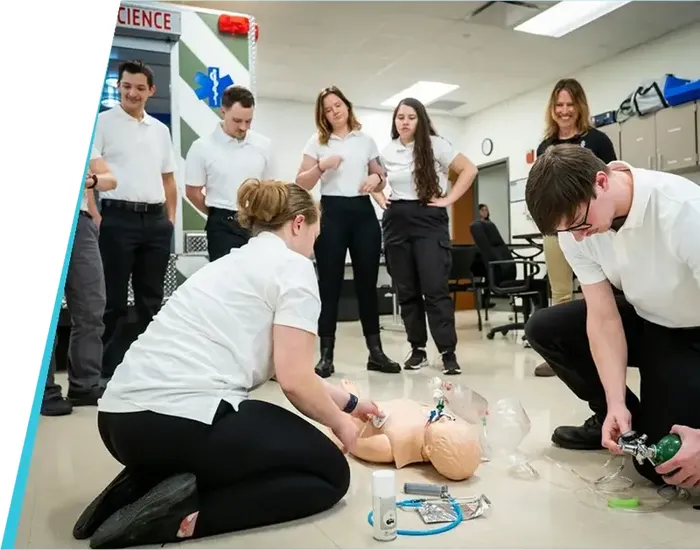
Use active study methods to reinforce what you learn. Flashcards can help with terminology, while practice questions can test your ability to recall and apply information. Explaining difficult concepts in your own words can also reveal areas where your understanding needs improvement.
Include regular review sessions in your schedule. Revisiting previously studied material can help reinforce important concepts and make information easier to recall during the examination.
Practice With EMT Exam Questions
Practice questions are an important component of effective EMT preparation. They allow you to apply your knowledge and become more comfortable with scenario-based questions.
When completing practice questions, focus on understanding the reasoning behind each answer. If you select an incorrect option, determine why it was wrong and what information you missed.
Pay close attention to questions asking what you should do first, what action is most appropriate, or which condition is the priority. These questions often test your ability to prioritize patient care.
Do not measure your preparation only by the number of questions you complete. The quality of your review matters. Understanding your mistakes can help you avoid repeating them.
Improve Patient Assessment and Decision-Making
Strong patient assessment skills are essential for EMT students. When faced with a scenario, learn to identify immediate threats and determine what needs attention first.
Start by considering the patient's overall condition and identifying potential life threats. Then use the information provided in the scenario to determine the most appropriate next step.
Decision-making questions can sometimes include multiple answers that appear reasonable. In these situations, consider which action addresses the most immediate threat and remains appropriate for the EMT's role.
Regularly practicing patient scenarios can improve your ability to recognize priorities and make decisions under examination conditions.
Identify Your Weak Areas
One of the most effective ways to improve exam preparation is to identify subjects that require additional attention. Practice tests can help you discover patterns in your mistakes.
For example, you might perform well on trauma questions but struggle with medical emergencies. Instead of spending most of your time reviewing subjects you already know, dedicate additional study sessions to your weaker areas.
Keep a list of difficult concepts and review them regularly. As you become more comfortable with a topic, move on to another area that needs improvement.
This targeted approach can make your study time more productive and help create a stronger overall knowledge base.
Avoid Common EMT Study Mistakes
Students often make several common mistakes when preparing for certification exams. One of the biggest is waiting until the last minute to begin serious studying. Cramming can increase stress and make it harder to retain information.
Another mistake is relying entirely on memorization. EMTs must apply their knowledge to patient situations, so understanding concepts and treatment priorities is essential.
Ignoring practice-test mistakes is another problem. Incorrect answers can provide valuable information about what you need to study. Always review your errors and determine how you can improve.
You should also avoid studying continuously without breaks. A balanced routine that includes rest can help maintain concentration and make study sessions more productive.
Prepare for Exam Day
As your examination approaches, focus on reviewing important concepts and practicing questions rather than trying to learn everything at the last moment.
On test day, carefully read every question and identify the most important information in each scenario. Do not rush to select an answer before fully understanding what the question is asking.
If you encounter a difficult question, eliminate answers that are clearly inappropriate and consider which remaining option best addresses the patient's immediate needs.
Stay calm and trust the preparation you have completed. Confidence develops through consistent studying, practice, and review.
Conclusion
Preparing for an EMT certification examination requires commitment, organization, and a strong understanding of emergency medical care. An EMT Test Prep Course can help students review essential topics, practice scenario-based questions, identify weak areas, and develop effective test-taking strategies. By following a consistent study schedule, practicing patient assessment, reviewing mistakes, and focusing on emergency-care priorities, aspiring EMTs can build greater confidence before examination day.
Students looking for additional preparation resources and guidance can turn to How To NREMT to support their journey toward EMT certification and a rewarding career in emergency medical services.
Frequently Asked Questions
1. What is an EMT Test Prep Course?
An EMT Test Prep Course is a structured study program that helps aspiring Emergency Medical Technicians prepare for their certification examination. It may provide topic reviews, practice questions, scenario-based learning, and strategies for improving exam performance.
2. What subjects should I study for the EMT exam?
Key subjects include patient assessment, airway and breathing, cardiovascular emergencies, trauma, medical emergencies, shock, pediatric and obstetric emergencies, and environmental emergencies.
3. Are EMT practice tests useful?
Yes. Practice tests can help you become familiar with exam-style questions, identify knowledge gaps, improve decision-making, and develop confidence in answering questions under test conditions.
4. How can I make an EMT study schedule?
Begin by determining how much preparation time you have and divide major subjects into separate study sessions. Combine reading with practice questions, active recall, scenario exercises, and regular review of difficult topics.
5. What is the best way to prepare for the EMT exam?
The best approach is to combine consistent studying with practice questions and scenario-based learning.

























Sign in to leave a comment.