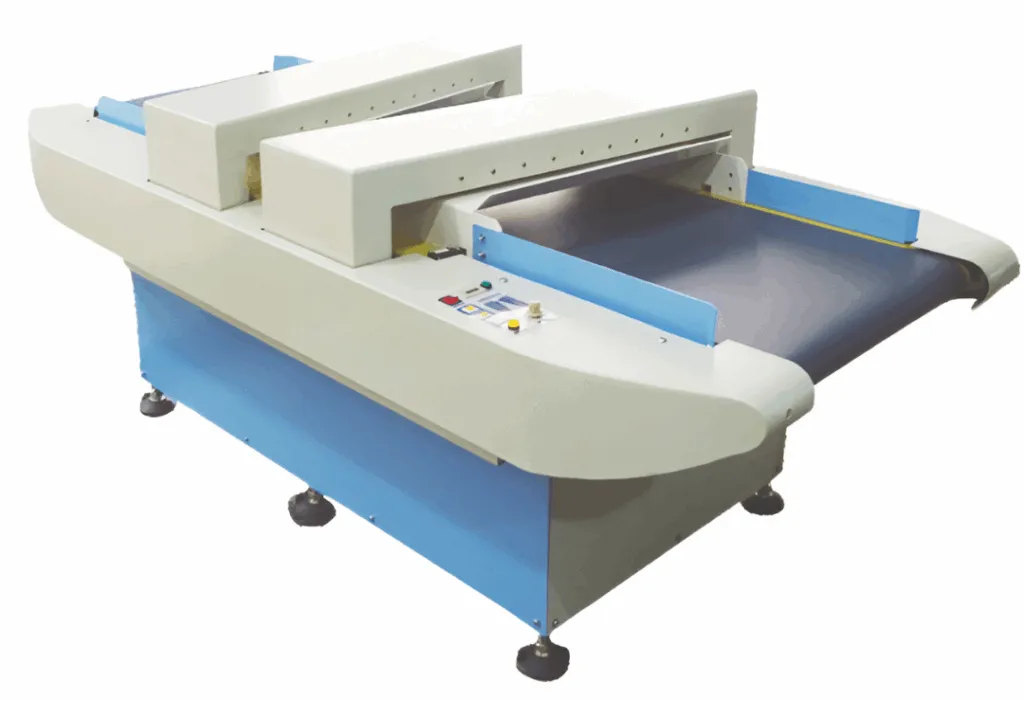

Sustainability is becoming an important part of modern textile and garment manufacturing. Factories are increasingly looking for equipment that can improve productivity and quality while controlling energy consumption. An energy-efficient Needle Detector Machine is one such solution, helping manufacturers improve garment safety and quality control while supporting more responsible production practices.
Why Energy Efficiency Matters in Textile Factories
Textile factories often operate machinery for long hours, making energy consumption an important operating cost. Choosing efficient equipment can help reduce unnecessary power usage and contribute to a more sustainable manufacturing environment.
A modern Needle Detector Machine designed for efficient operation can perform essential inspection tasks without requiring excessive energy. This can be particularly valuable for factories operating multiple inspection stations or running continuous production shifts.
How an Energy-Efficient Needle Detector Machine Supports Sustainability
A needle detector is primarily used to identify broken needles and other ferrous metal fragments that may remain in garments or textile products after manufacturing. By combining accurate detection with efficient operation, modern machines can support both product safety and environmental goals.
Key sustainability benefits include:
- Lower energy consumption: Efficient electrical systems can help reduce power usage during regular operation.
- Reduced operating costs: Lower energy requirements can contribute to better cost management over time.
- Long-term productivity: Reliable inspection performance helps reduce quality-related interruptions and rework.
- Less material waste: Detecting metal contamination before products reach customers can help prevent defective goods and unnecessary disposal.
- Efficient production workflows: Automated inspection reduces dependence on repetitive manual checking.
Smart Features to Consider
When selecting an energy-efficient Needle Detector Machine, manufacturers should consider more than its power consumption. Modern equipment may include features designed to improve both inspection accuracy and operational efficiency.
1. Automatic Detection Technology
Sensitive detection systems can identify unwanted metallic contamination accurately, helping improve garment safety and quality control.
2. Energy-Saving Electrical Components
Efficient motors, sensors, control systems, and power management technologies can help minimize unnecessary electricity consumption.
3. Adjustable Operating Settings
Production requirements vary depending on garment type and inspection processes. Adjustable settings allow manufacturers to configure the machine according to their specific application.
4. Automatic Stop and Standby Functions
Smart standby or automatic shutdown functions can help prevent unnecessary energy consumption when the equipment is not actively inspecting products.
5. User-Friendly Controls
An easy-to-operate control panel can help workers manage inspection settings efficiently while reducing operational errors and training requirements.
Benefits for Modern Garment Manufacturers
Investing in an energy-efficient Needle Detector Machine can provide benefits beyond sustainability. Consistent inspection helps manufacturers maintain product quality and protect customers from potentially dangerous broken needle fragments.
Efficient inspection can also reduce manual checking requirements and support smoother production workflows. When combined with proper maintenance and operator training, modern needle detection technology can become an important part of a factory's quality-control system.
Choosing the Right Machine for Your Factory
Before purchasing a Needle Detector Machine, manufacturers should evaluate factors such as production volume, garment types, detection sensitivity, conveyor size, operating environment, maintenance requirements, and energy efficiency.
It is also important to consider machine reliability and after-sales support. A durable machine with appropriate technical assistance can provide greater value throughout its operating life.
At lunex machine, the focus is on supporting textile and garment manufacturers with modern machinery solutions designed around quality, productivity, and efficient production.
Conclusion
An energy-efficient Needle Detector Machine can help textile factories combine product safety with more sustainable manufacturing practices. By reducing unnecessary energy consumption, supporting accurate inspection, minimizing quality-related waste, and improving workflow efficiency, modern needle detection technology can contribute to a smarter production environment.
For factories planning to modernize their quality-control processes, selecting an efficient and reliable needle detection system can be a practical step toward achieving both operational and sustainability goals.
























Sign in to leave a comment.