

Facial appearance can change naturally over time as skin elasticity, collagen levels, and muscle activity influence the development of visible lines. Many individuals explore professional aesthetic treatments to achieve a smoother and more refreshed appearance while maintaining natural facial expression. When considering botox cheshire, an informed consultation can help determine whether the treatment is appropriate for individual concerns and expectations. Professional assessment can consider facial movement, skin condition, treatment goals, and overall facial balance. This personalised approach can support carefully planned treatment while helping individuals understand realistic outcomes and appropriate aftercare.
How Facial Lines Develop
Understanding Dynamic Lines
Some facial lines become more noticeable because of repeated muscle movement associated with expressions such as smiling, frowning, or raising the eyebrows. These are often referred to as dynamic lines because their appearance is influenced by muscle activity. Over time, repeated movement can contribute to lines becoming visible even when the face is relaxed. Understanding how these lines develop can help practitioners determine whether a muscle relaxing treatment may be suitable. Individual assessment remains important because facial anatomy and muscle activity can vary considerably between different people.
Areas Commonly Considered
Aesthetic consultations may consider areas where expression related lines are particularly noticeable. These can include the forehead, the area between the eyebrows, and lines around the outer corners of the eyes. The appropriate treatment area depends on the individual's facial movement and desired outcome. Rather than treating every visible line, practitioners can assess which areas may benefit from treatment and which should remain untreated to preserve natural expression. Careful planning can help create a balanced appearance while avoiding an overly restricted or unnatural facial look.
The Importance of Professional Consultation
Assessing Facial Movement
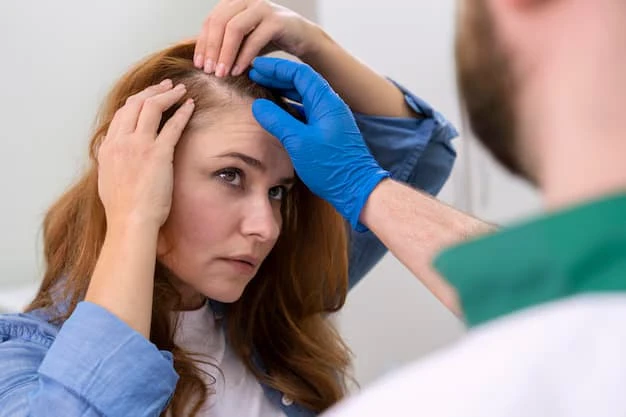
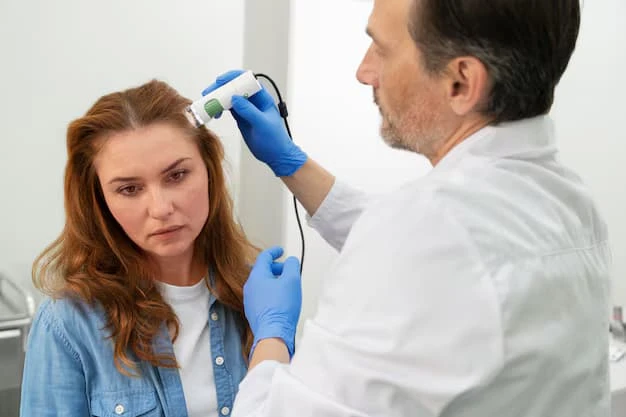
A detailed consultation allows facial movement to be assessed before treatment is considered. Practitioners can observe how different muscles contribute to expressions and how lines appear during movement and relaxation. This assessment can help determine where treatment may be appropriate and how much intervention may be required. Individual facial anatomy, previous aesthetic treatments, and personal expectations can also be discussed. A professional consultation provides an opportunity for patients to ask questions and understand the proposed approach before making a decision about treatment.
Discussing Treatment Expectations
Realistic expectations are an important part of aesthetic treatment planning. Muscle relaxing treatments are generally intended to soften the appearance of certain expression related lines rather than completely remove every sign of ageing. Results can differ according to muscle strength, treatment area, individual response, and other factors. Practitioners should explain what may reasonably be achieved and when results are likely to become noticeable. Clear communication can help individuals make informed decisions and understand that aesthetic treatment is focused on improvement rather than creating an entirely different facial appearance.
Supporting a Refreshed Appearance
Maintaining Natural Expression
A refreshed appearance does not necessarily require dramatic changes. Many individuals prefer subtle improvements that soften visible lines while allowing normal facial expressions to remain. Careful treatment planning can help maintain facial character and avoid excessive restriction of movement. The amount and location of treatment can be considered according to the individual's facial structure and goals. A balanced approach can help create results that appear understated and natural. Professional assessment is therefore essential for determining how treatment can support the desired appearance without unnecessarily altering facial expression.
Considering Facial Balance
Facial balance is an important consideration when planning aesthetic treatment. The forehead, eyebrows, eyes, cheeks, lips, and lower face all contribute to overall appearance. Changes in one area can influence how other facial features are perceived. Practitioners can therefore consider the complete facial structure rather than focusing on an isolated concern. This broader perspective can help guide treatment planning and support harmonious results. Individuals may benefit from discussing their overall aesthetic goals during consultation so that treatment decisions are based on facial balance and personal preferences.
Understanding the Treatment Process
Preparing for Treatment
Preparation requirements can vary according to individual circumstances and the treatment approach being considered. During consultation, practitioners may provide guidance about relevant medications, skincare products, previous treatments, and other factors that could influence suitability. Individuals should provide accurate information about their health history and previous aesthetic procedures. Following professional preparation advice can help support a smoother treatment experience. Patients should also have an opportunity to discuss concerns before treatment begins. Understanding each stage of the process can help reduce uncertainty and encourage informed decision making.
What Happens During Treatment
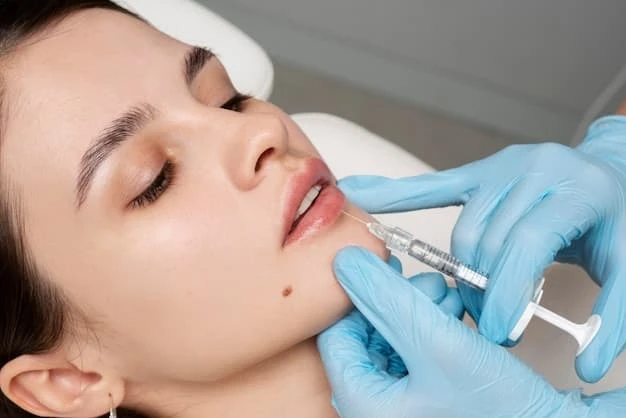
The treatment process is generally designed to be precise and carefully controlled. A practitioner identifies the selected treatment points according to facial anatomy and the individual's treatment plan. Small amounts of the treatment are then administered using an appropriate technique. The duration can vary depending on the number of areas being treated. Patients may experience brief discomfort during administration, although experiences differ between individuals. A professional setting and careful technique can help ensure that treatment is carried out according to the planned approach.
Understanding Results and Timing
Results from muscle relaxing treatments do not generally appear immediately. Changes may develop gradually as the treatment begins to influence targeted muscle activity. The timing and degree of visible improvement can vary between individuals and treatment areas. Practitioners can explain what changes may be expected during the first several days and when the final effect is usually assessed. Follow up appointments may sometimes be considered to review results and determine whether further treatment is appropriate. Understanding the gradual nature of results can help patients maintain realistic expectations.
Considering Treatment Longevity
The duration of aesthetic results can differ from person to person. Muscle strength, individual metabolism, treatment area, lifestyle, and other factors may influence how long effects remain noticeable. Over time, muscle activity can gradually return and expression lines may become more visible again. Maintenance treatment may be considered when appropriate, although timing should be based on individual assessment rather than a fixed schedule. Patients can discuss future treatment planning during consultations to understand how ongoing care may fit their personal goals and preferences.
Importance of Aftercare
Following Professional Guidance
Aftercare can support the treatment experience and help patients understand what to expect following an appointment. Practitioners may provide specific instructions relating to physical activity, skincare, facial manipulation, and other activities during the initial recovery period. Following these recommendations can help minimise unnecessary irritation and support appropriate recovery. Patients should also understand which symptoms are expected and which may require professional advice. Clear aftercare guidance can provide reassurance and encourage patients to seek assistance promptly if they have concerns following treatment.
Monitoring the Treated Area
Observing the treated areas after an appointment can help patients understand how their skin and facial muscles respond over time. Temporary effects may occur, and these can vary according to the individual and treatment area. Patients should follow the specific instructions provided by their practitioner rather than relying on general advice. If unexpected or concerning symptoms develop, professional guidance should be sought. Appropriate monitoring forms an important part of responsible aesthetic care and can help ensure that any concerns are addressed in a timely manner.
Choosing an Appropriate Clinic
Selecting a suitable clinic requires consideration of several factors beyond treatment availability. Patients can assess practitioner qualifications, experience, consultation standards, hygiene practices, communication, treatment planning, and aftercare support. A professional clinic should be willing to explain the procedure, discuss potential risks, and provide realistic expectations. Patients should feel comfortable asking questions before making a decision. The consultation should focus on individual needs rather than encouraging unnecessary treatment. Careful research can help individuals choose an environment where safety, professionalism, and personalised care remain important priorities.
Benefits of Personalised Treatment Planning
Personalised treatment planning can help ensure that aesthetic procedures are selected according to individual facial characteristics and goals. Factors such as facial proportions, muscle activity, skin condition, age, previous treatments, and desired level of change may all influence recommendations. A tailored approach can help avoid unnecessary treatment and support more balanced results. Patients can also receive guidance about alternative options when a particular procedure is not suitable. This focus on individual requirements allows aesthetic care to remain flexible and responsive to changing concerns and expectations.
Maintaining Healthy Looking Skin
Professional aesthetic treatment can be supported by consistent skincare and healthy lifestyle habits. Daily sun protection, suitable cleansing, regular moisturising, and appropriate skincare products can help maintain overall skin quality. Hydration and balanced lifestyle habits may also contribute to healthier looking skin. These measures do not replace professional treatment but can complement an overall approach to facial care. Individuals can discuss their existing skincare routine during consultation to determine whether any adjustments may support their aesthetic goals and help maintain a refreshed appearance.
Making an Informed Decision
Choosing aesthetic treatment should involve careful consideration rather than making a decision based solely on trends or short term expectations. Individuals can research treatment options, attend a professional consultation, ask questions about suitability, and understand possible outcomes before proceeding. It is also important to consider recovery, aftercare, maintenance, and potential risks. A well informed decision allows patients to approach treatment with realistic expectations. When considering botox cheshire, professional advice can help individuals understand whether the treatment is appropriate for their facial concerns and desired level of improvement.
Conclusion
A refreshed facial appearance can involve subtle improvements that preserve natural expression and facial character. Professional consultation, personalised treatment planning, realistic expectations, suitable aftercare, and appropriate practitioner expertise can all contribute to a positive aesthetic experience. Understanding how facial lines develop and how muscle relaxing treatments may address selected concerns allows individuals to make informed choices. For those considering professional facial aesthetic care, Este Medical Group Cheshire can provide a personalised approach focused on individual goals, careful planning, natural looking outcomes, and appropriate treatment guidance.























Sign in to leave a comment.