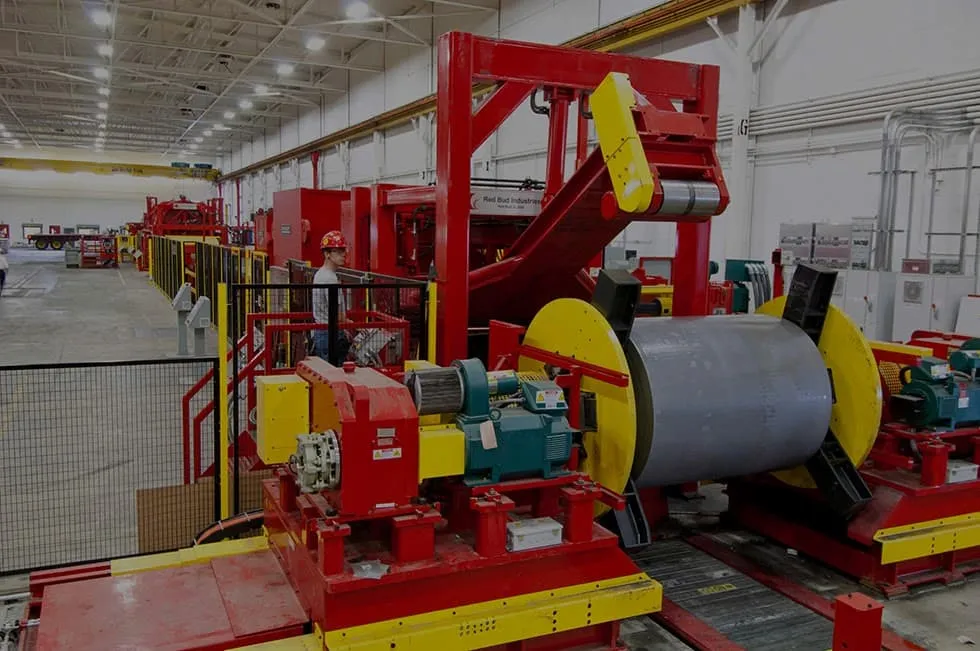

Modern metal processing depends on precise coil preparation for thin materials. Production environments require consistent width, clean edges, controlled tension, and dependable throughput across repeated runs. These requirements make light gauge slitting lines an important part of efficient coil conversion operations. High performance equipment can coordinate feeding, slitting, tension control, recoiling, and material handling with consistency. By integrating these functions into a controlled process, manufacturers can reduce variation, improve finished coil quality, and support dependable downstream production needs.
Understanding Light Gauge Coil Processing
Light gauge materials require careful handling because thinner strip reacts quickly to tension changes, alignment errors, and inconsistent feeding. Small process variations may create edge damage, width differences, telescoping, or winding problems that affect subsequent operations. A designed slitting line addresses these challenges through coordinated mechanical and control features. Proper setup allows operators to establish suitable knife positioning, tension levels, strip guidance, and recoiling conditions. The result is a stable process that helps maintain predictable coil dimensions while protecting material quality during production.
Precision Starts With Accurate Alignment
Accurate alignment is fundamental when processing narrow or thin strips because material movement can amplify small setup errors. High performance equipment uses positioned guides, tooling, and feed components to maintain a controlled strip path. Consistent alignment helps reduce wandering, uneven edges, and dimensional inconsistencies continuously. It also supports uniform slitting results across multiple strands. When material remains centered from entry through recoiling, the production process becomes easier to monitor and adjust. This stability contributes to improved coil appearance, usability, and downstream processing performance.
Controlled Tension Improves Coil Quality
Tension management plays a major role in producing tightly wound and uniformly shaped finished coils. Thin materials can be sensitive to excessive or insufficient tension, that can cause distortion, loose winding, edge movement, or surface issues. Advanced processing arrangements allow tension to be controlled throughout feeding, slitting, and recoiling stages. Maintaining suitable tension helps each strand wind evenly while reducing material stress. Better control also gives operators confidence when processing different widths and materials. Consistent winding supports easier storage, transportation, handling, and feeding during later manufacturing operations.
Advanced Slitting Supports Consistent Widths
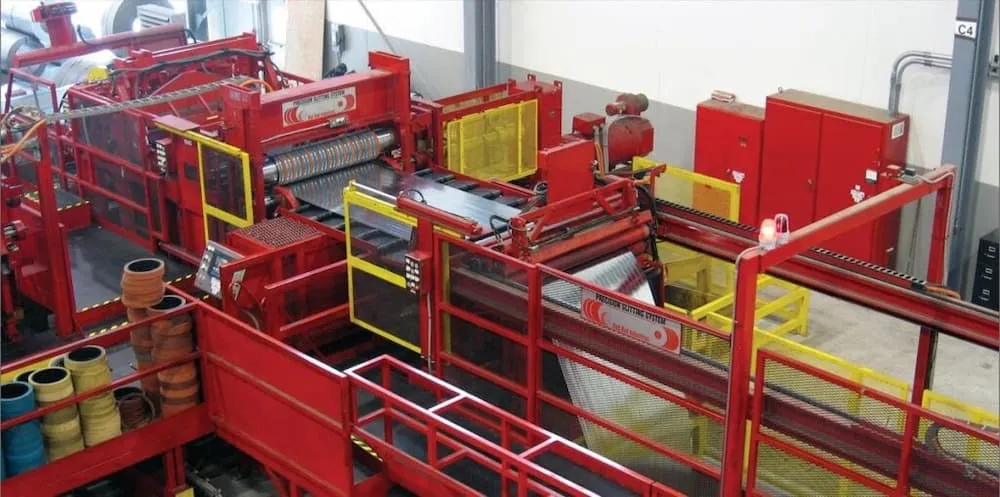
Slitting accuracy depends on tooling condition, knife setup, material guidance, and machine stability. High performance systems provide controlled positioning that helps establish repeatable slit widths across runs. Properly configured knives can create cleaner cuts while minimizing edge conditions that may compromise finished strips. Consistency becomes especially valuable when customers or downstream equipment require tight tolerances. Reliable width control reduces the need for correction and helps maintain predictable production schedules. Processed coils can then enter subsequent operations with fewer interruptions.
Efficient Recoiling Protects Material
Recoiling is more than simply winding slit strips onto cores. The process must maintain suitable tension, alignment, and winding pressure so coils remain stable. High performance equipment can coordinate these factors to reduce loose wraps, telescoping, and uneven coil faces. Careful recoiling also helps protect edges and surfaces during use. When coils leave the line in consistent condition, they are easier to package, store, transport, and place into downstream machinery. This contributes to workflow efficiency because operators spend less time correcting coil handling problems after slitting.
Automation Enhances Process Control
Automation can improve repeatability by coordinating machine functions according to established production parameters. Operators can monitor settings, identify deviations, and make controlled adjustments without relying only on manual intervention. Automated sequencing may simplify setup between different coil specifications, reducing opportunities for inconsistent practices. Better process visibility helps production teams respond before changes create material waste. In high volume environments, repeatable automation supports stable throughput while allowing skilled personnel to focus on quality monitoring, tooling decisions, maintenance planning, and activities that influence long term production performance.
Material Handling Supports Reliable Production
Efficient coil movement around slitting is essential because material quality can be affected during loading, threading, recoiling, and removal. Proper handling equipment helps position coils securely while reducing unnecessary movement. Controlled handling also supports safer and more organized production areas, especially when master coils become multiple strands. When material handling functions work smoothly with slitting, changeovers and coil transfers become predictable. This approach helps reduce avoidable delays and supports consistent production from initial loading through finished coil discharge.
Maintenance Helps Preserve Slitting Accuracy
Even advanced equipment requires inspection and maintenance to maintain dependable performance. Knife condition, bearings, guides, tension components, sensors, and drive systems can influence finished coil quality when they become worn or improperly adjusted. A planned maintenance approach helps identify issues before they cause defects or extended downtime. Operators and teams can review production results to recognize patterns linked to tooling wear or setup changes. Keeping critical components in good condition supports repeatable slitting, protects material investment, and helps maintain the accuracy expected from high performance processing operations.
Flexible Configuration Meets Production Needs
Different processors may handle varied gauges, widths, materials, coil weights, and finished strip requirements. A flexible slitting line can be configured around material and desired output. Adjustable tooling, controlled tension systems, suitable recoiling arrangements, and compatible handling equipment can help accommodate production demands. Flexibility becomes valuable when product mixes change frequently or processors serve multiple applications. Instead of relying on one fixed setting, adaptable equipment allows production teams to establish settings that suit each job while maintaining consistent quality across different coil specifications.
Improving Productivity Through Process Stability
Accuracy and productivity are closely connected because stable processing reduces interruptions, rework, loss, and adjustments. When a slitting line maintains consistent alignment, tension, width, and recoiling conditions, operators can sustain production with fewer corrective actions. Predictable output also makes scheduling easier because completed coils need less additional inspection or repair. These improvements strengthen resource utilization and reduce avoidable costs. High performance processing supports more than accuracy. It creates a controlled environment where quality, throughput, material efficiency, and dependable delivery work together.
Conclusion
High performance coil processing requires control from material entry and alignment through slitting, tension management, recoiling, and finished coil handling. Strong process stability helps manufacturers achieve consistent widths, cleaner edges, improved winding quality, and predictable results. Automation, flexible configuration, and disciplined maintenance support these objectives by reducing variation and protecting equipment performance. For operations seeking greater accuracy with thin materials, engineered Red Bud Industries solutions can provide a practical foundation for reliable coil processing, helping manufacturers strengthen efficiency, quality, and long term consistency.






















Sign in to leave a comment.