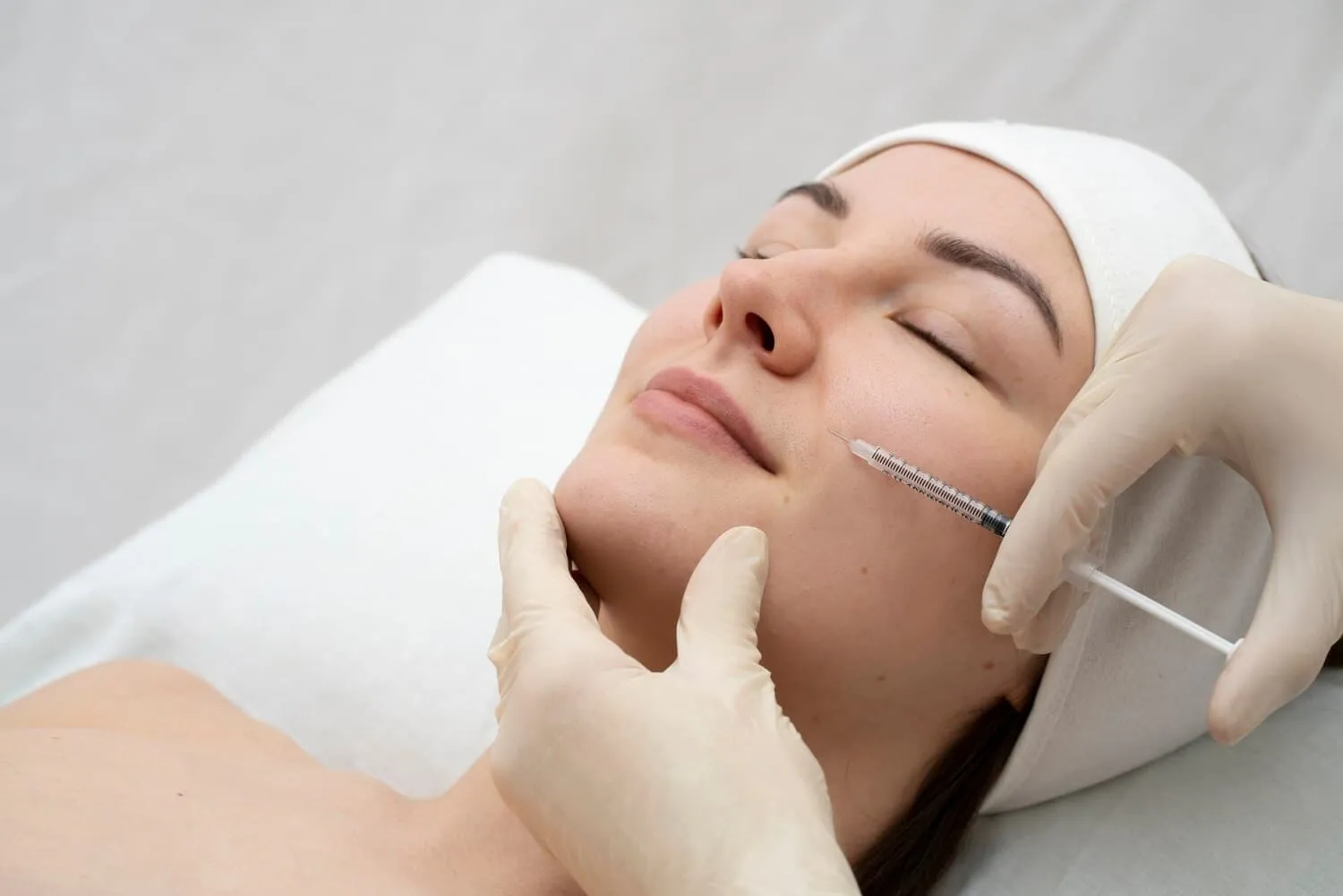

Facial aesthetics continues to evolve as more people seek subtle improvements that preserve their natural appearance. Dermal filler treatments offer an option for addressing concerns such as reduced facial volume, less defined contours, and the appearance of certain lines. With a personalised approach, treatment planning focuses on facial balance, individual preferences, and realistic expectations. Choosing fillers manchester services involves understanding the available options, the materials used, and the importance of assessment by a suitably qualified practitioner before any cosmetic procedure begins.
Understanding Facial Filler Treatments
Dermal fillers are injectable products designed to add volume, support facial contours, or soften the appearance of selected lines. Many commonly used fillers contain hyaluronic acid, a substance naturally present in the body that helps maintain skin hydration and volume. Different formulations offer different levels of firmness and flexibility, making product selection an important part of treatment planning. Results depend on the product, injection technique, treatment area, and individual characteristics. A professional consultation helps determine whether fillers are suitable for a person's facial structure and aesthetic goals.
Why Facial Volume Changes Over Time
Facial appearance naturally changes with age as collagen production, skin elasticity, and underlying fat distribution gradually shift. These changes may contribute to flatter cheeks, less defined contours, or deeper folds around the mouth. Genetics, lifestyle, sun exposure, and individual anatomy also influence how these features develop. Fillers may help restore selected areas of volume when appropriate, but they cannot stop the ageing process. Understanding the cause of a particular concern helps practitioners recommend suitable options rather than treating every facial change in the same way.
Common Areas Considered for Filler Treatment
Fillers may be used in carefully selected facial areas, depending on the product and the practitioner's assessment. Cheek treatments may support contour and volume, while lip fillers can enhance shape or fullness. Some formulations are used to soften selected folds around the mouth, and others may help improve chin definition or facial proportions. Not every area is suitable for every product, and certain locations carry greater risks because of nearby blood vessels and important anatomical structures. A detailed consultation is essential before choosing a treatment area.
Personalised Treatment Planning
A personalised treatment plan begins with a discussion of concerns, expectations, medical history, previous cosmetic procedures, allergies, and current medicines. The practitioner should assess facial anatomy, skin condition, and the balance between different features before recommending any injections. A conservative approach may be appropriate for people seeking subtle changes, while some concerns may be better addressed through alternative treatments or no procedure at all. Clear communication helps establish realistic goals and allows the practitioner to explain expected outcomes, limitations, costs, and potential risks before the treatment decision is made.
The Importance of Natural Looking Results
Natural looking results depend on proportion, product selection, injection technique, and an understanding of individual facial anatomy. Adding more product does not necessarily improve appearance and may create unwanted fullness or uneven contours. A gradual approach can help maintain facial balance and reduce the likelihood of overcorrection. The objective should be to complement existing features rather than create a uniform appearance that does not suit the individual. Experienced practitioners consider the face as a whole, paying attention to how the cheeks, lips, chin, and surrounding structures relate to one another.
What Happens During a Filler Appointment
An appointment usually begins with a consultation and examination of the intended treatment area. The practitioner explains the proposed procedure, expected results, alternatives, and possible complications before obtaining informed consent. Depending on the product and area, the skin may be cleansed and a topical numbing product may be considered. Injections are then administered using an appropriate technique. The duration varies according to the number of areas treated and the complexity of the procedure. Patients should feel able to ask questions and should never feel pressured to proceed.
Aftercare and Recovery Considerations
Mild swelling, tenderness, redness, bruising, or temporary sensitivity may occur after filler injections. These effects often improve over several days, although recovery varies according to the treatment area, product, and individual response. Following the practitioner's aftercare instructions can support recovery and help reduce avoidable irritation. Patients should avoid unnecessary pressure on the treated area and discuss exercise, skincare, and other activities with their practitioner. Severe or increasing pain, unusual skin colour changes, vision disturbances, or other sudden symptoms require urgent medical assessment because rare complications can be serious.
Understanding Results and Maintenance
Filler results may be visible soon after treatment, although early swelling can affect the initial appearance. The final outcome becomes easier to assess as swelling settles. How long results last depends on the product, injection location, amount used, metabolism, and individual facial movement. Some people choose maintenance appointments, while others prefer to allow the product to diminish naturally. Additional treatment should only be considered after an appropriate review. Repeated injections are not automatically necessary, and a responsible practitioner should discuss whether further treatment would provide a meaningful benefit.
Choosing a Qualified Practitioner
Choosing a suitably qualified and experienced practitioner is one of the most important decisions when considering facial fillers. Patients should check professional credentials, relevant training, experience with the proposed treatment area, and access to appropriate emergency procedures. A consultation should include an honest discussion of risks, alternatives, product information, and the steps available if complications occur. Patients should be cautious of unrealistic promises, heavily discounted offers, or pressure to undergo immediate treatment. Reliable care prioritises safety, informed consent, and appropriate follow up rather than focusing solely on appearance.
Possible Risks and Important Safety Information
Although many people undergo filler treatments without serious complications, injectable procedures are not risk free. Possible effects include bruising, swelling, tenderness, lumps, asymmetry, infection, and inflammatory reactions. Rare but serious complications can occur if filler blocks a blood vessel, potentially causing tissue damage or, in some circumstances, vision loss. Anyone considering treatment should understand these risks before giving consent. Medical conditions, allergies, previous filler injections, and certain medicines may influence suitability. Full disclosure during consultation helps the practitioner assess potential risks and determine whether treatment should proceed.
Alternatives to Facial Fillers
Fillers are not the only option for people seeking changes in facial appearance. A suitable skincare routine, sun protection, professional skin treatments, or other aesthetic procedures may address certain concerns more appropriately. Some individuals may benefit from improving skin texture rather than adding volume, while others may prefer to make no changes. The right approach depends on the concern, medical history, budget, and personal preferences. A qualified practitioner should explain relevant alternatives and help patients compare potential benefits, limitations, costs, and recovery requirements without presenting injections as essential for maintaining an attractive appearance.
Conclusion
Facial fillers may help enhance selected features, restore volume, and refine facial contours when treatment is carefully planned and performed by a suitably qualified practitioner. Understanding the procedure, realistic outcomes, aftercare requirements, and possible complications allows individuals to make informed decisions. Anyone considering fillers manchester treatments should prioritise a thorough consultation, transparent advice, and a conservative approach that respects natural facial proportions. Este Medical Group provides a starting point for exploring aesthetic treatment information and discussing suitable options, with personal assessment and safety remaining central to any decision about cosmetic injections.






















Sign in to leave a comment.